
Compare Economy 7 tariffs using your actual daytime and overnight electricity use, not the advertised night rate alone. A higher day rate or standing charge can outweigh cheap off-peak electricity. First check your meter and off-peak hours, then compare annual costs using the same usage figures for every quote.
How to Compare Economy 7 Tariffs
Gather a year’s day and night readings from your bills, your postcode, payment method and current tariff details. If you have less than 12 months of data, allow for seasonal heating. Check each offer’s day rate, night rate, standing charge, contract length and exit fee. Our tariff information label guide explains where to find the key terms.
Use the same annual kWh for every quote. A monthly Direct Debit amount is a payment plan, not a measure of electricity consumed; check the actual kWh on your bill. If you are moving from another time-of-use tariff, make sure its cheaper hours match the periods used in any estimate.
How Do You Calculate the Annual Cost?
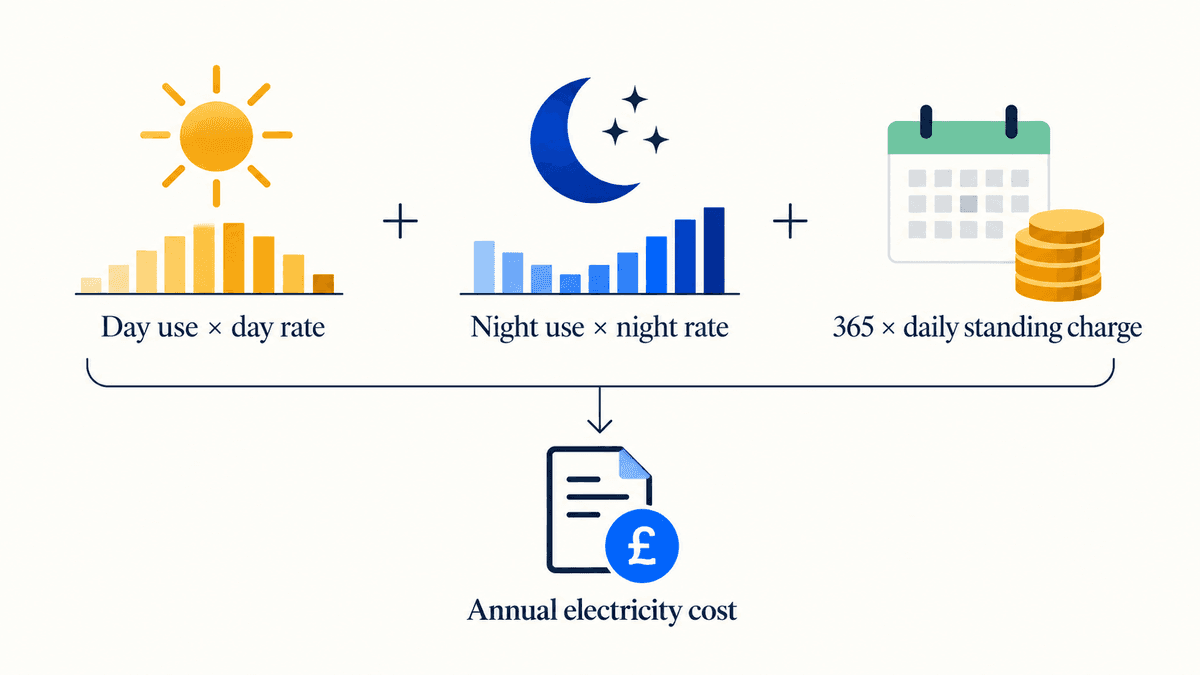
Convert pence to pounds before multiplying (30p = £0.30):
Annual electricity cost = (day kWh × day rate) + (night kWh × night rate) + (365 × daily standing charge).
For example, 1,800 daytime kWh at 30p, 1,200 night kWh at 14p and a 55p daily standing charge total £908.75 a year. These are illustrative figures, not a supplier quote. Add any relevant fees. A variable deal’s actual annual cost may differ if its rates change.
What Should You Compare in Current Economy 7 Rates?
Compare postcode-specific quotes, not a national headline price. Rates differ by region, payment method, supplier and tariff version. Keep the quote date and annual consumption the same when comparing offers.
Ofgem’s October–December 2026 update gives £1,046 a year as an electricity-only Economy 7 benchmark for a typical Direct Debit customer using 3,400 kWh. It is not your bill limit or a pair of day and night rates. The cap applies to default variable tariffs through their combined multi-rate charges; individual day and night prices can differ. Fixed deals are priced under their own terms. Check Ofgem’s regional information and a live supplier quote.
Is Economy 7 Better Than a Single-Rate or Smart Tariff?
Economy 7 is better when its whole annual cost is lower for your usage pattern. Divide night kWh by total kWh to find your off-peak share. Around 40% overnight is a rough prompt to compare deals, not a guaranteed break-even point; the answer changes with the actual rates and standing charges. See MoneySavingExpert’s Economy 7 guidance and our guide to energy tariff types for context.
An EV or heat-pump tariff might fit better if its discounted periods match when you charge or heat. Check eligibility and price all household use, including expensive peak periods. Do not assume the lowest advertised off-peak rate produces the lowest bill.
When Are the Off-Peak Hours, and What Meter Do You Need?
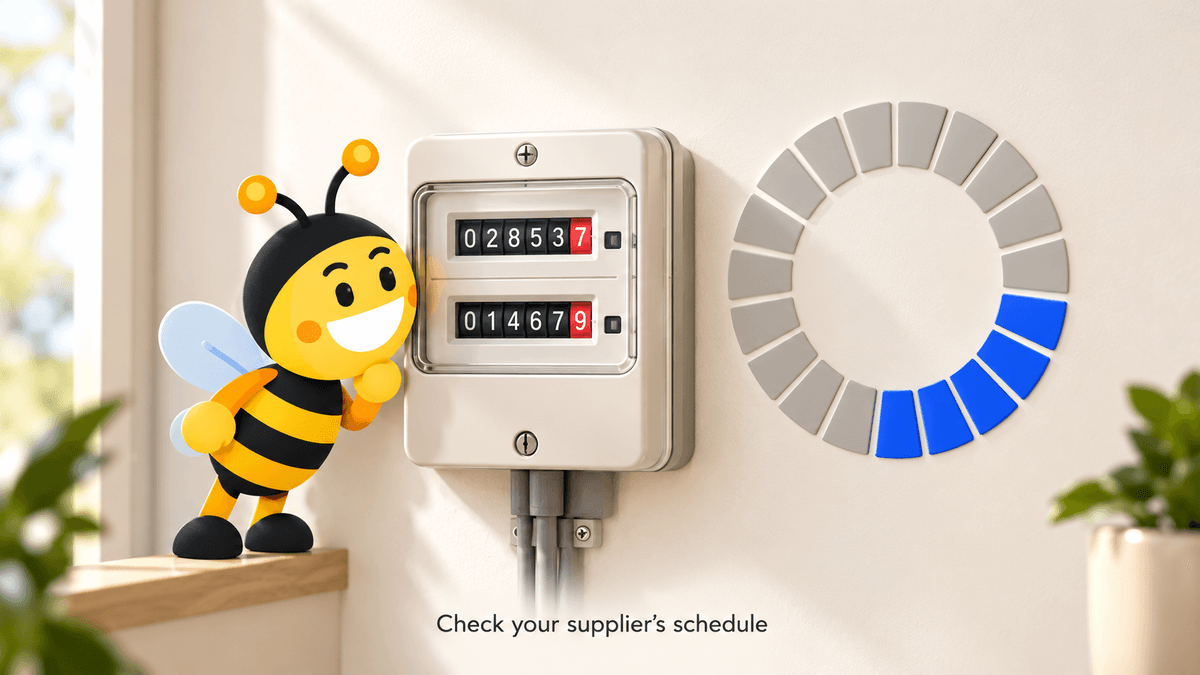
Economy 7 usually offers seven cheaper hours overnight, recorded by a two-rate meter or compatible smart meter. Exact times depend on your location and meter. OVO says its hours can be one block or split and may shift by an hour during British Summer Time. Ask your supplier for your meter’s schedule before setting heating or charging timers; reconfirm it after a meter replacement.
What If You Still Have a Radio Teleswitch Meter?
Contact your supplier for a smart-meter replacement. Ofgem says Radio Teleswitch Service support has ended, so an old meter may no longer switch rates or heating properly. Ask how the replacement will affect your tariff, off-peak hours and hot-water controls. Never alter meter wiring yourself.
Should You Fix Your Economy 7 Tariff or Stay Variable?
A fix gives you agreed rates for its term; your bill still rises if you use more electricity. A default variable tariff can change with the price cap and generally offers more flexibility. Compare personalised annual costs and weigh the length of a fix against any exit fee. Our fixing guide covers the wider choice.
Make Sense of Your Home’s Energy Use
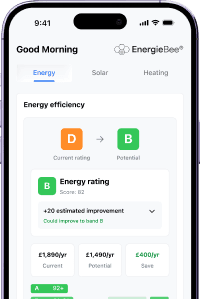
Download EnergieBee, add your home and explore insights before comparing Economy 7 quotes.
For fixed deals, also confirm the exact version, how long each rate lasts and whether your meter is eligible. An advertised national dual-fuel saving does not show what a particular two-rate electricity tariff will cost your household.
Martin Lewis’s MoneySavingExpert guide recommends comparing fixes with the capped alternative and allowing for uncertain prices and exit fees. As at 27 October, Cornwall Insight forecasts £1,999 and MoneySavingExpert projects £2,084 for the January 2027 typical dual-fuel cap. These are forecasts, not Economy 7 quotes; Ofgem is due to confirm the cap by 25 November. Use your two-rate consumption to decide.
What Are Octopus Energy’s Exit Fees?
They depend on the tariff version. Flexible Octopus has no exit fee; some newer fixes do. Octopus currently lists a £50 early exit fee for Intelligent Octopus Go, which is an EV tariff, not a universal Economy 7 fee. Read the exact quote before switching.
Which Electricity Use Has the Biggest Impact on Your Bill?
In an all-electric home, heating and hot water can account for much of your use. Set storage-heater input for the heat you need, limit expensive daytime boost and check that hot-water timing matches your confirmed cheap hours. Insulation and suitable controls may reduce waste; see EnergieBee’s heating guide.
Heat pumps may work best with steadier settings, so do not force an overnight-only schedule without checking the system guidance. Use the meter data to see whether a changed setting actually reduces your cost.
Energy Saving Trust also identifies washing machines, dishwashers, tumble dryers, fridges and freezers as significant users. Full loads and appropriate lower-temperature washes help. It estimates switching suitable devices off standby could save about £45 a year in Great Britain; lighting accounts for around 5% of an average home’s energy bill. Use LEDs and switch off unneeded lights, while leaving essential equipment on as instructed.
How Can You Use Off-Peak Electricity Safely?

Storage heaters and properly controlled hot-water cylinders are intended for timed heating. A dedicated EV chargepoint may support scheduled charging, but follow the vehicle and charger’s safety instructions. Have a qualified, registered electrician install or change electrical controls and EV charging equipment; avoid damaged cables and extension leads.
Do not run washing machines, dishwashers or tumble dryers while everyone is asleep. London Fire Brigade’s bedtime checklist says not to leave them running overnight and unattended: a fire may be noticed too late. Run them while someone is awake and at home, maintain them as instructed and keep smoke alarms working.
Download EnergieBee Before Choosing Your Next Tariff
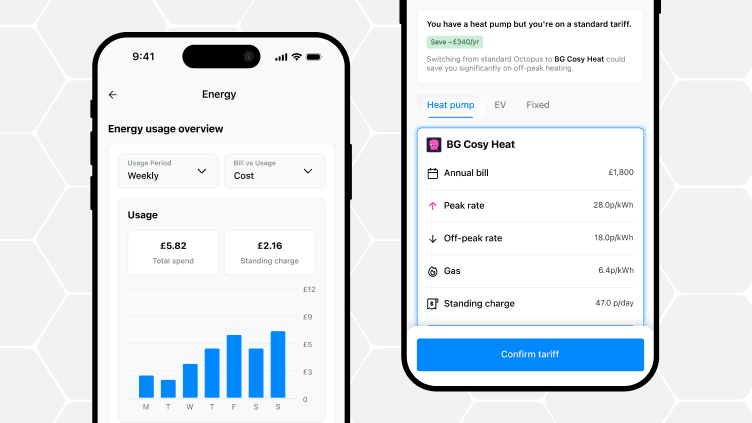
Download the free EnergieBee app, create an account and add your home using its address and EPC details where available. A supported energy connection can provide more detailed usage patterns. See when demand rises, then compare that pattern with your supplier’s confirmed Economy 7 hours. Use your billed day and night kWh for the final tariff calculation.
Frequently Asked Questions
Is £200 a Month a Reasonable Gas and Electricity Bill?
It could be, but £200 a month is £2,400 a year, above the £1,723 annual benchmark for a typical dual-fuel Direct Debit household in Great Britain in October–December 2026. This is not an Economy 7 spending target. Higher usage, electric heating or repayment of debt may explain the difference. Check annual kWh and charges rather than judging by the monthly payment alone.
Is EDF, Octopus or Another Supplier Cheapest for Your Home?
There is no universal cheapest supplier. Compare live quotes for your postcode, payment method and day/night usage, including standing charges and any fees.
How Much Does a Two-Hour Washing Machine Cycle Cost?
Duration alone cannot tell you. A cycle using 1 kWh at 30p/kWh costs 30p for electricity, excluding water. For an Eco 40–60 estimate, divide the kWh per 100 washes on its energy label by 100, then multiply by your unit rate. Other programmes can differ.
Can You Have Economy 7 Electricity and a Separate Gas Tariff?
Yes. Economy 7 covers electricity only; your gas can come from the same supplier or another. Compare total costs, including both standing charges, with a combined offer. Our dual-fuel guide explains the difference.

 David Price