Yes, the UK’s £20m Demand Turn Up Trial could cut your electricity bill by rewarding you for using power when there’s a surplus of renewable energy. The trial will test discounts for households and businesses through rebates on some of the charges included in electricity bills.
On windy days, wind farms sometimes have to generate less because the grid can’t carry all the power they could produce. The trial will test whether discounts can encourage people to shift activities such as charging an electric car to those hours. It’s a similar idea to using electricity during cheaper hours on a time-of-use tariff.
The first phase will establish how to deliver the offers. The trial and its evaluation are due to run until 2028, according to Arup’s trial announcement.
What Is the UK Demand Turn Up Trial?
The Demand Turn Up Trial is a £20m programme testing whether households and businesses in Great Britain will use more electricity at times when the grid can make better use of it. UK Research and Innovation and the Department for Energy Security and Net Zero are funding the trial. Up to £16m is available to participating suppliers and other companies that can recruit customers and run the offers, according to the UKRI trial overview.
Why Wind Farms Switch Off When They Could Generate More
On a windy day, turbines in Scotland can generate more electricity than the transmission lines can carry south. The National Energy System Operator (NESO) may pay wind farms to reduce output, a process called curtailment, and pay generators elsewhere to make up the difference. The trial asks whether using more power near the point of generation could reduce the need for those payments. NESO looks at the wider challenge of moving clean power to where it is needed in this video on the whole system challenge.
How Could the Trial Lower Your Electricity Bill?
A participating provider could offer a discount for moving some of your electricity use into a specific period. For example, you might charge your electric car earlier than usual or shift when you heat water for later use. Any saving would depend on the offer, how much of your usage qualifies and what your tariff normally charges.
If you already charge your car at cheaper times, compare the trial offer with your usual off-peak electricity rates.
How Rebates on Final Consumption Levies Could Fund Discounts
Final Consumption Levies (FCLs) are charges that suppliers pass on through electricity prices. They’re linked to the amount of electricity you use. The standing charge on your bill is a separate daily fee.
Under the trial, providers can claim back eligible levies on verified increases in electricity use and must pass the financial benefit on to participants, subject to agreed costs. The rebate applies to qualifying usage during trial events. A lasting change would require further rules under the proposed Energy Independence Bill, as set out in the government’s impact assessment.
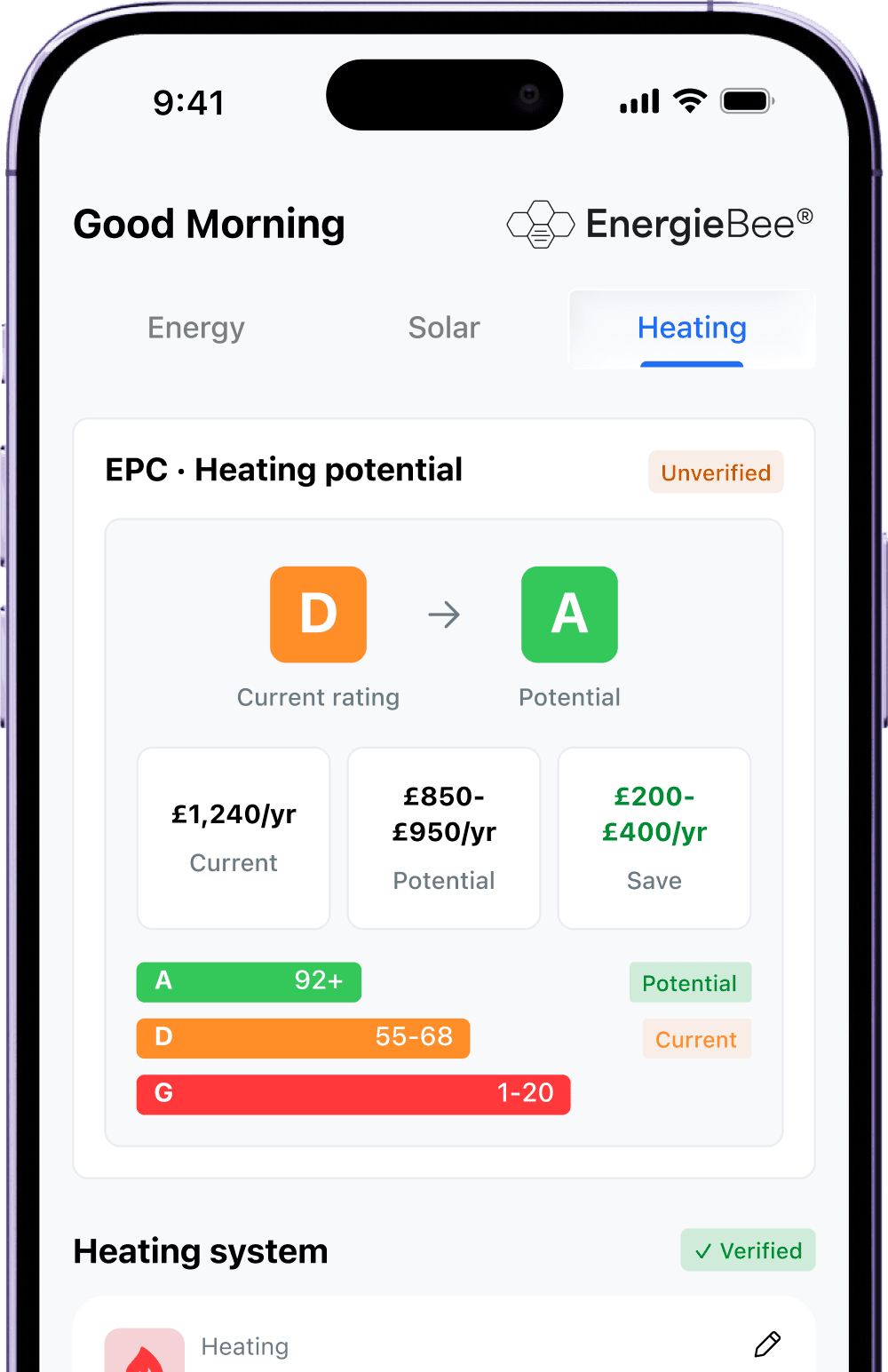
When does your home use the most electricity?
Check your daily usage in EnergieBee to see what you could shift if your provider offers a discount.


Download EnergieBee
Scan with your phone's camera to get the app.
When Does the Trial Start?
The first phase is expected to start on 1 December 2026. That’s the planned start for participating providers, which will recruit eligible households and businesses for their offers. Live testing is expected to continue until 31 March 2028, according to the GOV.UK Innovation Funding Service.
The Three Phases Through 2028
The results from the first phase will help shape what providers test in the next two.
Phase 1 Sets Up How the Trial Will Work
Providers will launch initial offers, record how customers respond and verify how much electricity use qualifies for a rebate.
Phase 2 Tests Offers With Households and Businesses
Expected from April 2027, this phase could test different rebate amounts, reach new groups of customers or expand offers that worked in Phase 1.
Phase 3 Evaluates the Results
Expected from September 2027, this phase can continue testing offers while building the evidence for the final evaluation. Researchers will look at how much usage people shifted, how much extra electricity they used and whether the offers reduced the need to turn down renewable generation.
Frequently Asked Questions
Is the Trial Offering Free Electricity?
The Demand Turn Up Trial is testing discounts on qualifying electricity use, not free power. Free electricity does already exist in a smaller scheme. During 2024 to 2025, households in a local flexibility service that uses excess renewable energy received an average of £54 in free electricity, according to the GOV.UK Clean Flexibility Roadmap. What the trial offers will depend on the rebates each provider passes on.
Can I Sign Up for the Trial Now?
As of 18 November 2026, the official guidance lists no central sign-up for households. Participating suppliers and other flexibility providers will recruit customers for their own offers. UKRI’s published application was for providers.
Will I Need a Smart Meter?
You’ll need a working smart meter if you join through NESO’s Demand Flexibility Service, one of the routes providers can use. For other trial offers, check what readings or equipment the provider needs to verify your electricity use.
Will I Have to Switch Energy Supplier?
It depends on the offer. Both suppliers and independent flexibility providers can take part. An independent provider may let you join while keeping your current supplier. If an offer requires a tariff change, compare it with your current tariff.
Could I Get a Discount for Charging My Electric Car?
Possibly. If a provider includes home EV charging in its offer, you could qualify by moving a charging session into the requested time window. EV charging is one example of household electricity use you can shift.
Will Electricity I Already Use Count Towards a Discount?
The rebate applies to a verified increase in use during an eligible event. If you usually charge your car at night and move that session into an afternoon event, the extra use during that window could qualify even if your total daily use stays the same.
Could Shifting My Electricity Use Cost Me More?
Yes. If the electricity you use during a trial event still costs more after the discount than it would at your usual time, shifting it could cost more. For example, moving a charge away from a cheaper overnight EV rate only saves money if the trial offer brings the effective price below that rate.
Will Discounts Be Available Across Great Britain?
Providers can run offers across Great Britain where they can help meet a local grid need. The trial expects the greatest early benefits in Scotland and the East of England, where high renewable generation can coincide with limited grid capacity. Availability will depend on where providers run their offers.
Official Sources and Further Reading
UKRI trial overview covers the funding and provider eligibility.
GOV.UK Innovation Funding Service sets out the trial dates, rebate rules and geographical focus.
Arup’s trial announcement explains what the trial will test and who will run it.
Energy Independence Bill impact assessment explains the proposed changes to Final Consumption Levies.
GOV.UK Clean Flexibility Roadmap sets out the wider policy on flexible electricity use.
NESO’s Demand Flexibility Service guide explains how the service works and who can join.
 David Price