Autumn in the garden with Chrissy Price
As the nights draw in and the leaves turn, we asked nature and garden expert Chrissy Price what the garden needs from us at the change of season.
Summer’s over. What does autumn feel like where you are?
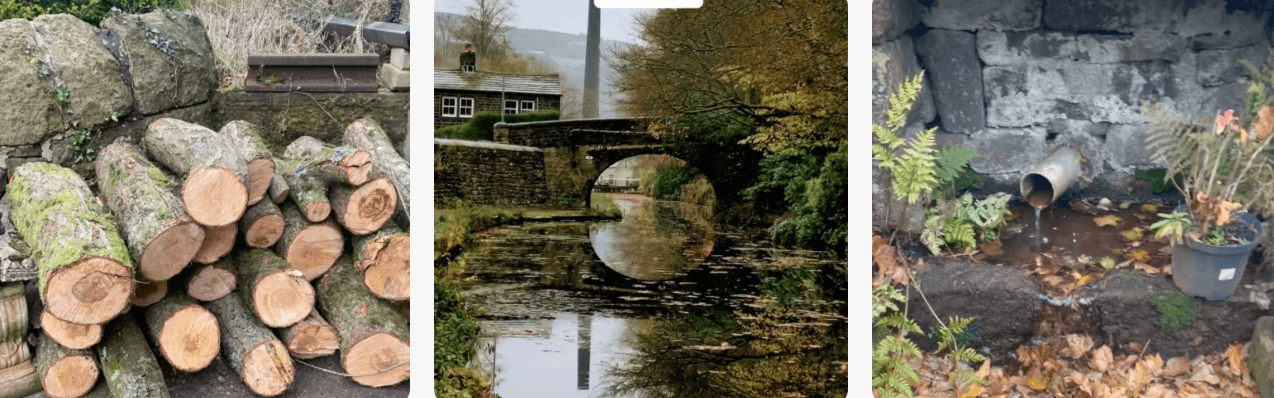
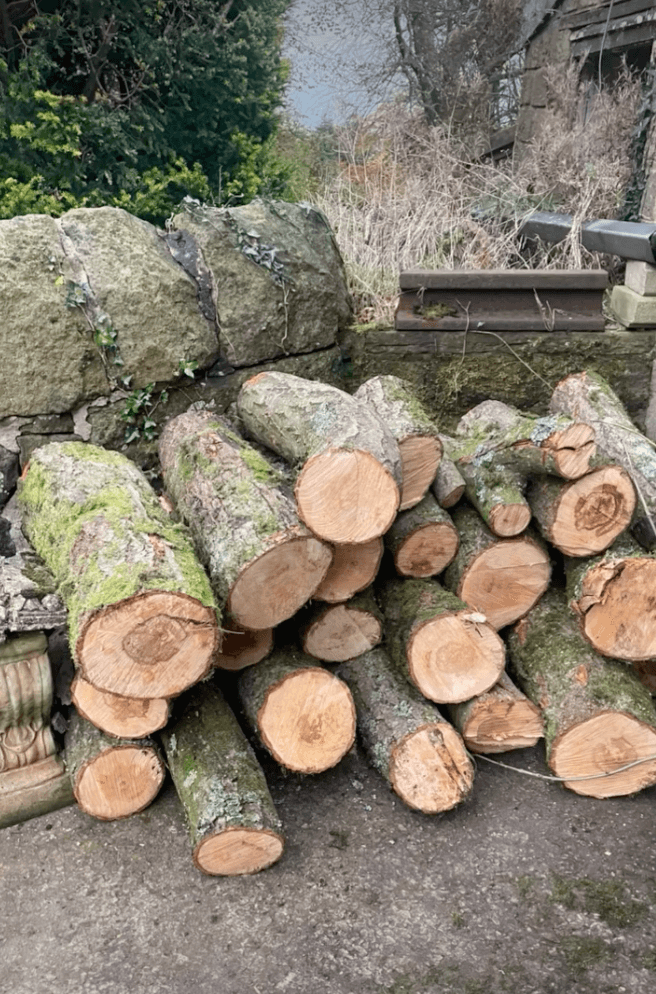
Mother Nature is settling into autumn. The nights are drawing in and the leaves are turning. The fox’s bark gets a little closer to the chicken pen every night, and the chickens know it, so they’re up on their perches early. The wildlife is fattening up and foraging for winter, much like us humans. We’re bringing in logs and kindling for the fire, and we’re filling up the oil tank, or trying to. Filling an oil tank these days is a huge hit to the household budget. The world has gone a bit mad, but the four seasons are the one constant, and autumn is a real picture postcard of golden hues and orange leaves.
What are the main jobs in the garden now?
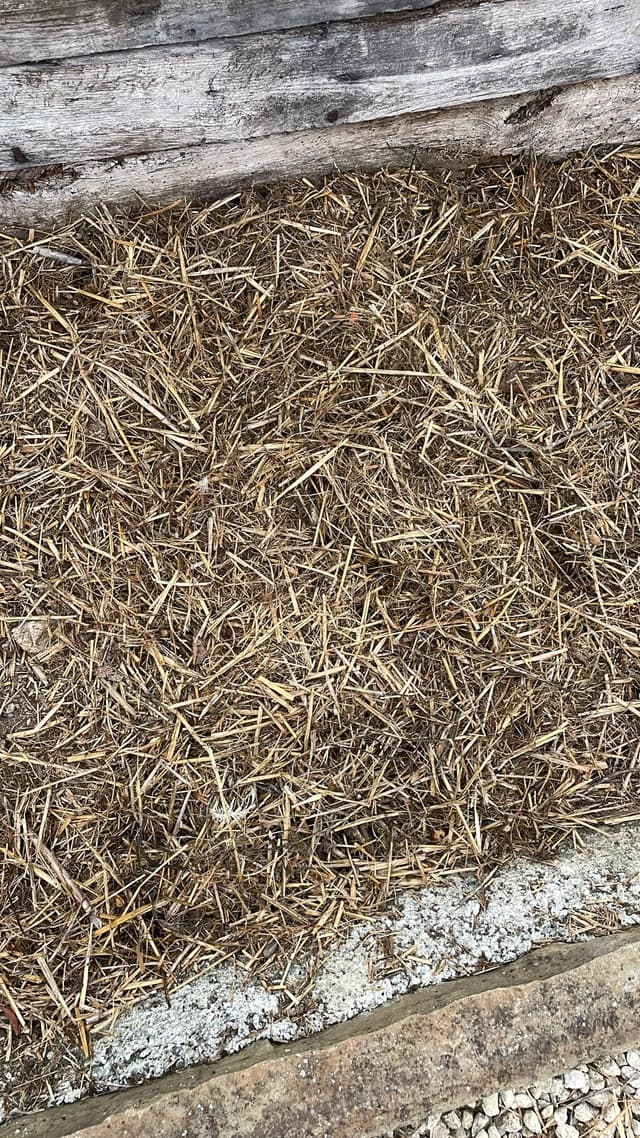
There’s plenty to do to get ready for winter. Basically, we bed the plants down so they’re warm and snug before the frosts arrive. First we cover the soil with manure, then add a thick top layer of mulch. That’s bark chippings and leaf mould that’s rotted down from last year. We put plenty around our trees and plants, and the thicker the better.
Why mulch so generously?
It encourages insects to burrow down and lay their eggs, and the larvae can then grow in the warmth of the soil, all under a blanket of leaves and wood.

What shouldn’t we be doing yet?
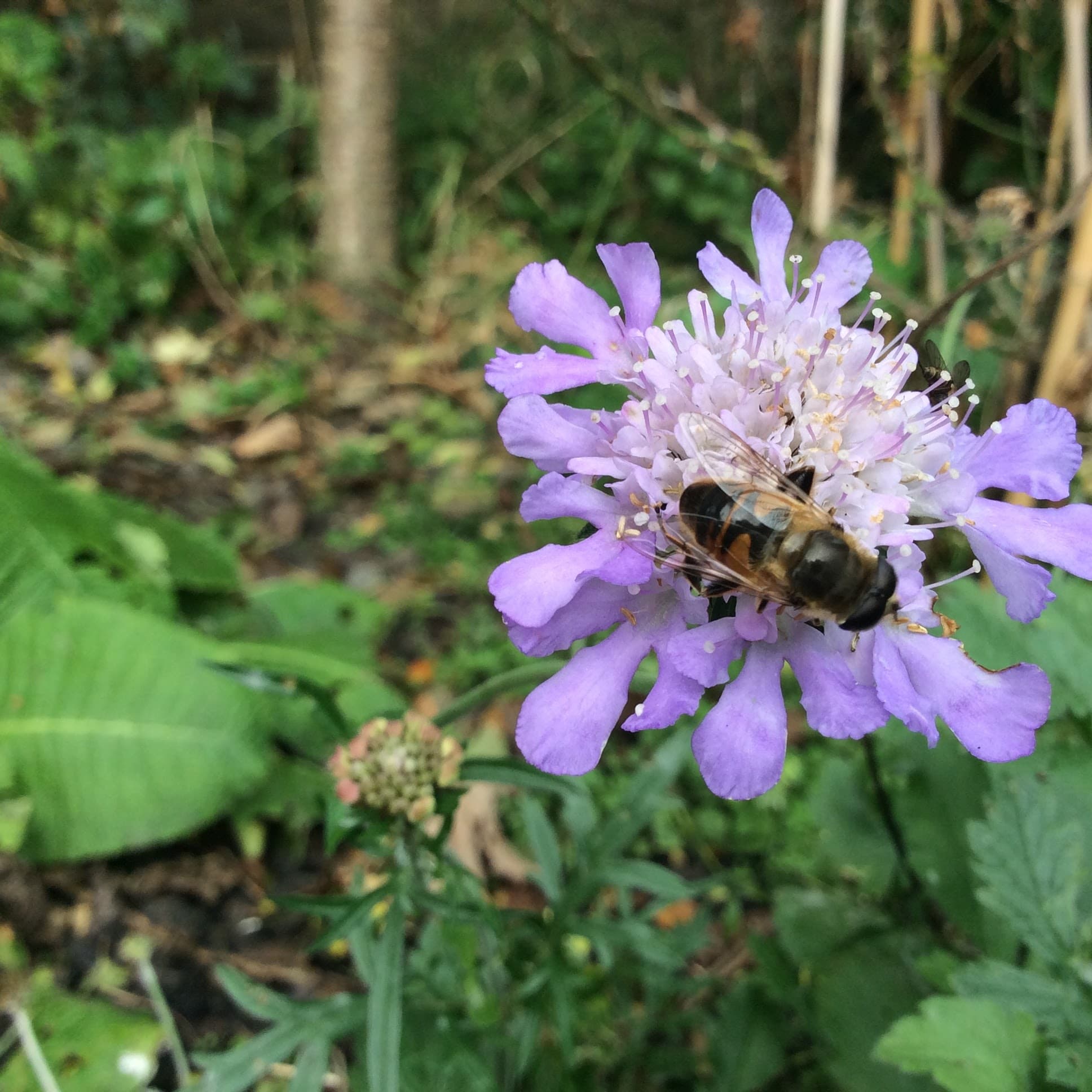
Pruning. It’s far too early to cut the roses back because it’s still warm, and after the intense summer we’ve had, they’re flowering for a second time. That means the hummingbird hawk-moths and a few lone bees are still taking pollen. The buddleia can wait another month, until the sap has died down in the trees. There are still a few butterflies on it.
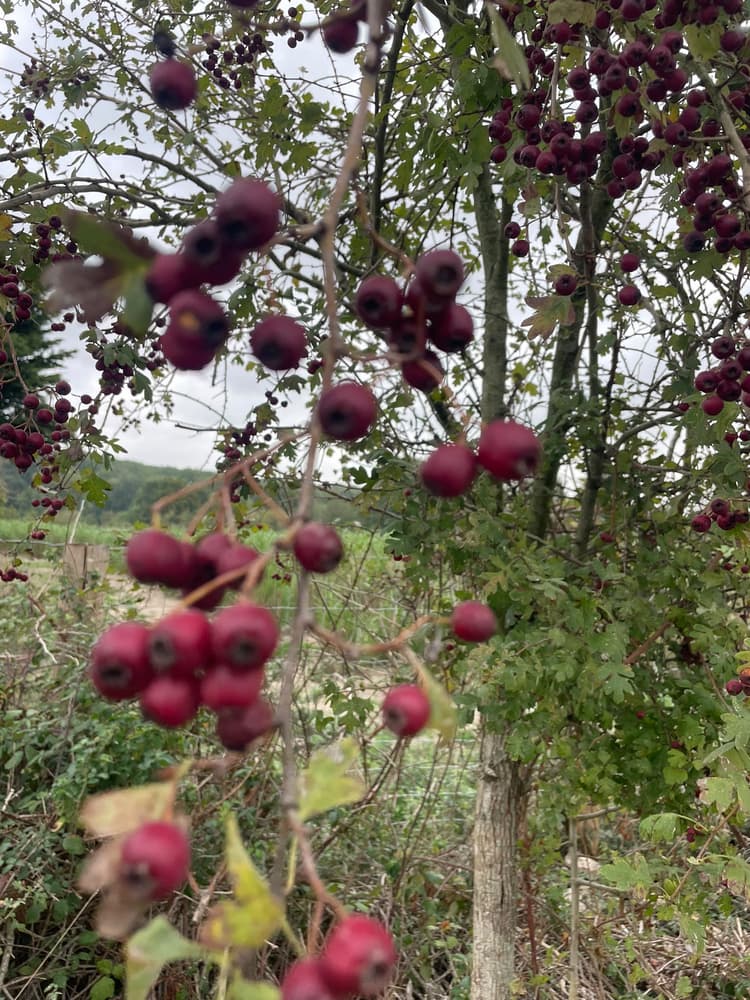
We’re not cutting the hedges back either. The hawthorn is bursting with berries, so we leave them to dry on the branches like a deli for the birds.
You mention the hawthorn berries. Do they tell you anything about the winter ahead?
They do. I’m a farmer’s daughter and I grew up in the Pennines, where we knew a hard winter was coming if the hedgerows were laden with berries. This year the hawthorn is full of them, so I’d expect a cold, frosty winter.
How has the garden fared this year?
It looks emptier now. The lavender has finished, so we’ve cut it back and dried the flowers to use indoors. The birds are getting through so many fat balls and so much seed that I can hardly keep up. The cat sometimes sits and waits for one to land, and she’s hurriedly shooed away!
The apple tree has had a tough time. We’ve had water restrictions and hosepipe bans, so most of the fruit failed, and the odd apple left on the branches has been fair game for the birds.
What can we plant now?
Today is tulip planting day. Three hundred bulbs are going into the ground and into containers over the next few days. With luck, they’ll come into colour in February or March 2027.
Your garden can help with the energy bill too, can’t it? Is there a link between looking after nature and using less energy at home?
There is, and it’s a lot simpler than people think. Take the mulch. A thick blanket of bark and leaf mould keeps the moisture in the soil, so you’re watering far less next summer. After the restrictions we’ve had this year, that matters. Less watering means less water to pay for and less to treat and pump, so it’s good for the household and for the wider picture.
Then there’s what we leave alone. A pile of leaves in a corner or under the hedge costs nothing, needs no machine to shift it, and gives hedgehogs and insects somewhere warm for the winter. A leaf blower, on the other hand, burns fuel and wrecks the habitat. A rake does the same job and keeps you warm.
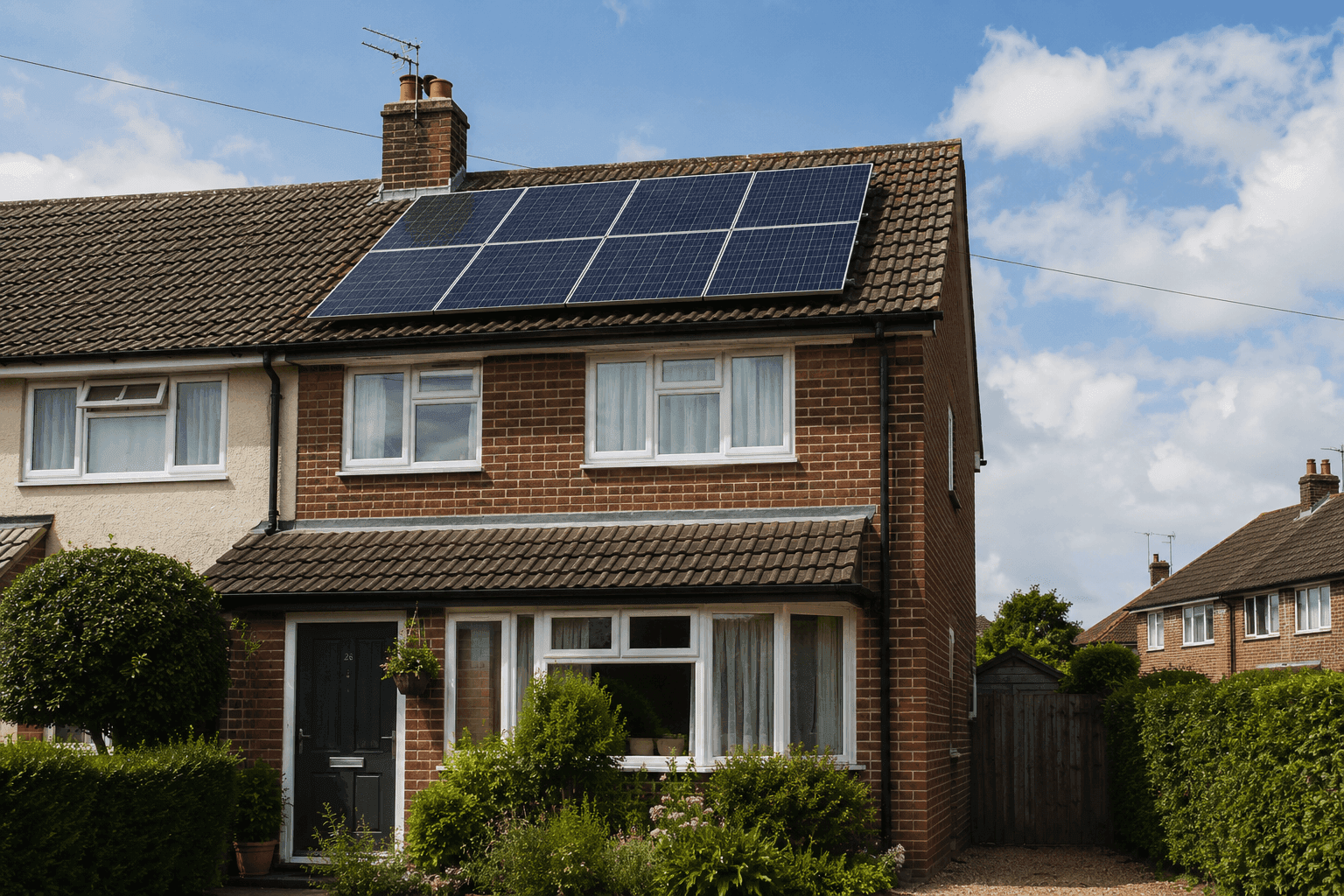
And we all feel the cost of heating now. I’m not going to pretend the garden will fill the oil tank, but a few small habits add up. Put the solar lights and cushions away now, and use what the garden gives you: dried lavender for the house, and prunings for kindling once they’ve seasoned. Do it a little at a time and you’ll hardly notice. It’s the same idea as the garden itself: lots of small things, done steadily, make the difference.
And how do you close the garden for the year?
We put away the garden furniture, the solar lights and the outdoor cushions, and get ready for a long, drawn-out winter.

Christine Price is a florist and nature expert from Burnley, Lancashire. She was part of the team behind iflorist, which won the Queen’s Award for Enterprise for international trade in 2012. She now shares her love of gardening and wildlife-friendly planting from her own garden.
 David Price

 Danie Latorre