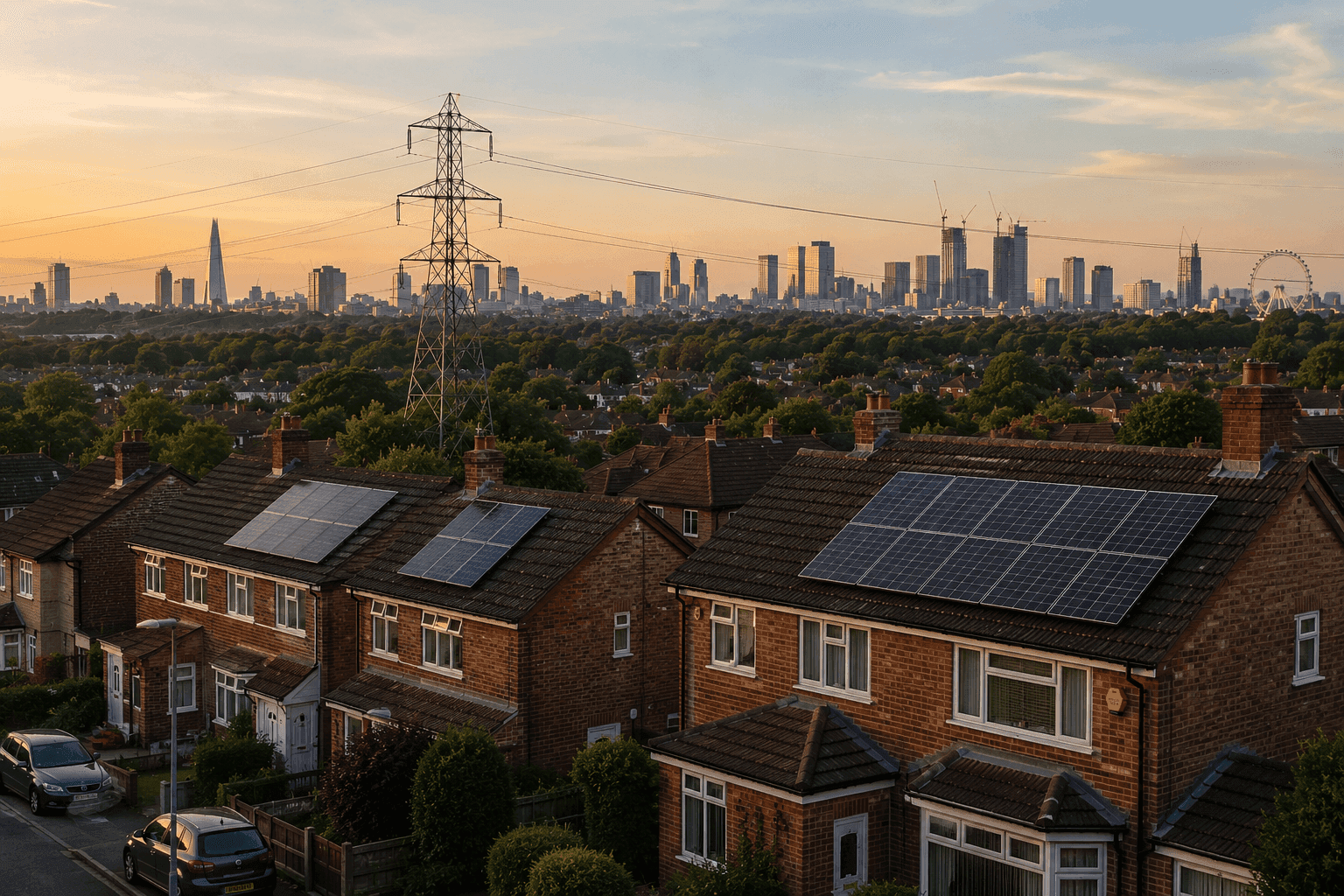
John Healey’s first Budget as Chancellor includes a one-off energy payment, an extension to the electricity VAT cut and plans to scrap gas standing charges.
Around 20 million households in England are set to receive £100 towards their energy bills this winter. Chancellor John Healey announced the Household Energy Payment in his first Budget on Wednesday 28 October, describing it as “breathing space” for British families. The scheme will cost £2.6 billion.
Who will get the £100?
The payment is aimed at homes in council tax bands A, B, C and D. Bands reflect the value of a property, and you can look yours up using the government’s council tax band checker.
What we know so far:
Households that pay council tax by direct debit are expected to receive the money straight into their bank account, with no application needed.
The payment is intended for main homes, so second homes and empty properties are unlikely to qualify.
Money is expected to arrive from January 2027, but the final eligibility rules and payment schedule have yet to be published.
What about Scotland, Wales and Northern Ireland?
Council tax is an English system in this context. Scotland and Wales run their own versions, and Northern Ireland uses domestic rates rather than council tax. Funding will therefore be passed to the devolved governments to decide how to deliver similar support. The Welsh Government has already confirmed that households in Wales will receive the £100 payment.
Two more measures aimed at your bills
Electricity VAT cut extended. VAT on household electricity, which was cut from 5% to zero in October, will now stay at zero until 1 July 2027. The Treasury says this will take about £50 off the Ofgem price cap in April 2027.
Gas standing charges to go. The daily fixed charge that households pay whether or not they use any gas is due to be scrapped from 2027, or as soon as possible afterwards. It affects around 23 million households, and the government says about 60% of them could save an average of £45 a year. There is a catch: some of those costs may be moved onto the price of each unit of gas, so heavier users could see less benefit.
Who is paying for it?
The package is partly funded by a temporary increase in the bank surcharge, which will rise from 3% to 6% on profits above £100 million for 15 months from January 2027. Mr Healey stressed that the rise is temporary.
Machine games duty will also go up from 20% to 25% for higher-stake machines from April 2027.
Savers get some good news. Mr Healey scrapped his predecessor’s plan to cut the cash ISA limit for under-65s, so the allowance stays at £20,000 a year.
Last updated: 12 November 2026. Details may change as the government publishes final guidance.
Household Energy Payment: frequently asked questions
What is the Household Energy Payment?
It is a one-off £100 payment announced by Chancellor John Healey in the Budget on 28 October 2026. It is intended to help around 20 million households in England with energy bills this winter, at a cost of £2.6 billion.
Who is eligible for the £100 payment?
Households in England in council tax bands A, B, C and D. The payment is intended for main homes, so second homes and empty properties are unlikely to qualify. The government has yet to publish the final eligibility rules.
How do I check my council tax band?
You can look up your band using the government's council tax band checker on GOV.UK. The service briefly crashed on Budget day because of high demand, so try again later if it is not loading.
Do I need to apply for the payment?
No application is expected. Households that pay council tax by direct debit should receive the money straight into their bank account. The government has not yet confirmed how other households will be paid, so check GOV.UK for updates.
When will the £100 be paid?
Payments are expected from January 2027. The exact schedule has not yet been confirmed.
Will people in Scotland, Wales and Northern Ireland get the payment?
The payment is tied to the English council tax system. Funding will be passed to the devolved governments so they can decide how to deliver similar support. The Welsh Government has confirmed that households in Wales will receive the £100.
How long will the VAT cut on electricity last?
VAT on household electricity, which was cut from 5% to zero in October 2026, will now stay at zero until 1 July 2027. The Treasury says this will take about £50 off the Ofgem price cap in April 2027.
What is happening to gas standing charges?
The daily fixed charge on gas bills is due to be scrapped from 2027, or as soon as possible afterwards. The government says about 60% of the 23 million households affected could save an average of £45 a year. Some of the cost may be moved onto the price per unit of gas, so heavier users may benefit less.
How is the energy support being paid for?
Partly by a temporary rise in the bank surcharge, from 3% to 6% on profits above £100 million for 15 months from January 2027. Machine games duty will also rise from 20% to 25% for higher-stake machines from April 2027.

 David Price

 Danie Latorre