Central heating distributes heat around your home from a central source, such as a boiler or heat pump. In a typical UK boiler system, heated water travels through pipes to radiators or underfloor heating, warming several rooms through one connected system. The Energy Saving Trust calls this wet central heating.
It is a familiar setup: 93% of homes in England had central heating in 2024, according to the English Housing Survey. However, central heating does not automatically mean gas heating—the heat source can vary.
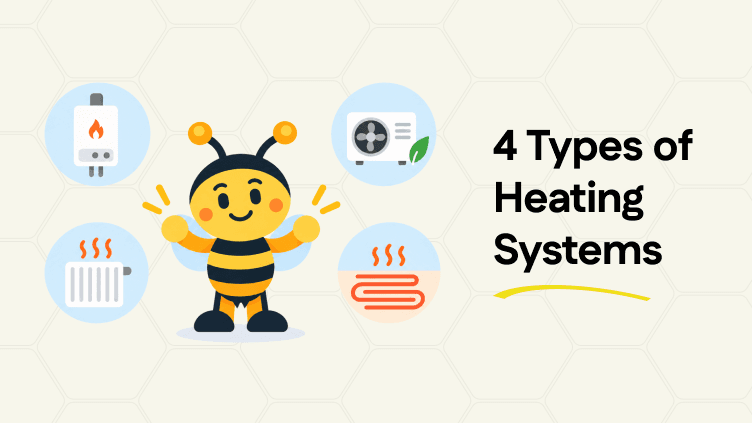
Below, we explain the components, fuel options and controls. For a broader comparison, see our guide to four types of heating systems.
How Does Central Heating Work?
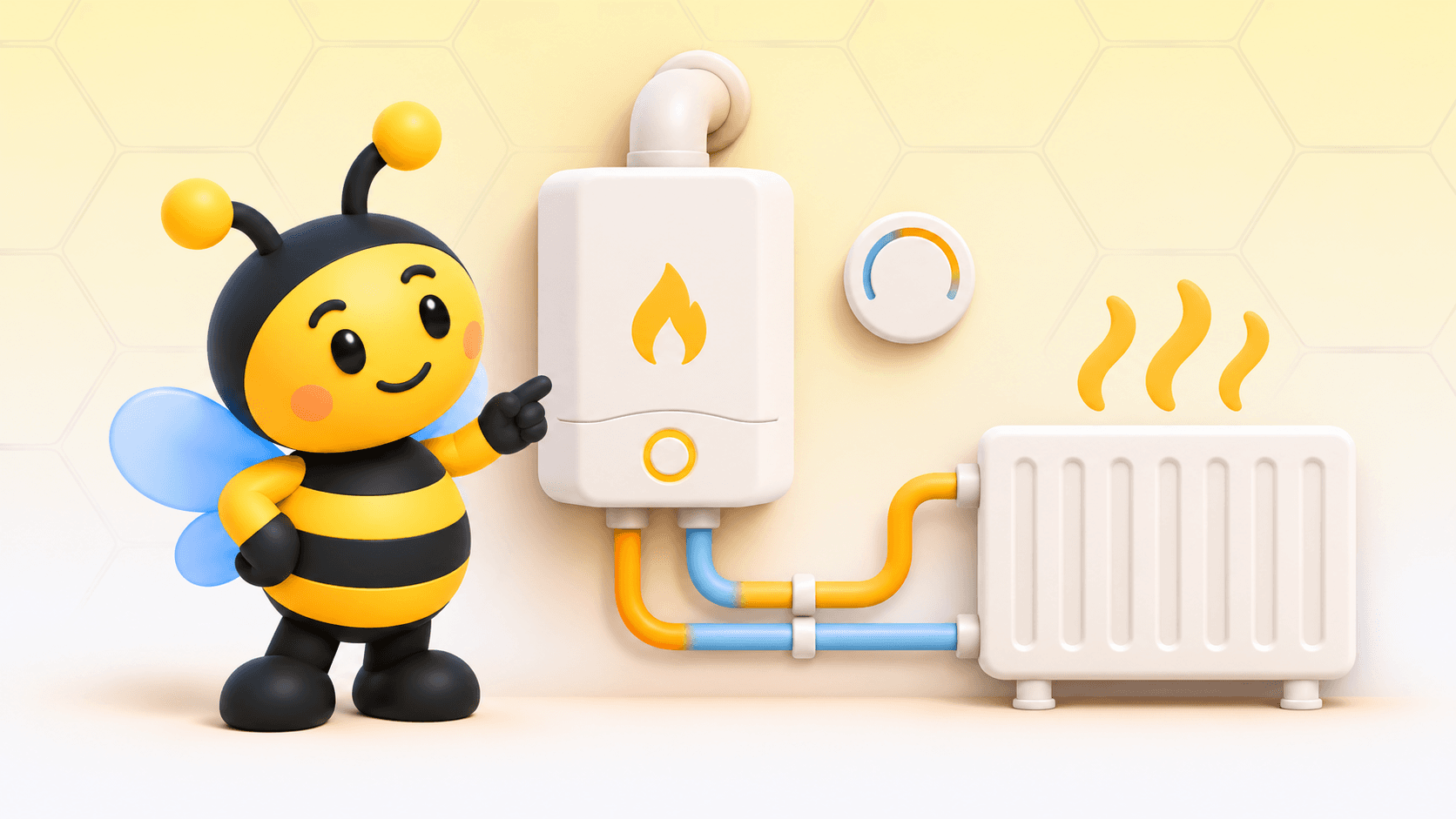
In a typical boiler system, central heating circulates hot water through radiators to warm your rooms.
The thermostat calls for heat, and the boiler heats water.
A pump circulates it through the radiators.
Cooler water returns to the boiler for reheating.
The Open University’s heating-system diagram shows this circuit.
What Are the Main Components and How Are They Connected?
The boiler, pump, pipes, radiators and controls work together to deliver heat.
Component | Role |
Boiler | Heats the circulating water. |
Pump | Moves water around the system. |
Flow pipe | Supplies heated water to radiators. |
Radiators | Release heat into rooms. |
Return pipe | Carries cooler water back. |
Controls | Manage heating times and temperatures. |
In a two-pipe layout, each radiator connects to shared flow and return pipes.
How Do Thermostats and Radiator Valves Control Heating?
The thermostat controls heating demand, while radiator valves regulate individual rooms. The Energy Saving Trust explains:
Timer: Sets heating times.
Room thermostat: Controls heating according to room temperature.
TRVs: Adjust water flow through individual radiators.
Turning the thermostat higher does not heat your home faster. See our heating-saving advice for practical settings.
What Types of Central Heating Systems Are There?
Central heating options vary by their heat source and how they distribute warmth. Common options include:
Gas boiler central heating
Oil boiler central heating
LPG boiler central heating
Electric boiler central heating
Heat pump central heating
Warm-air central heating
Communal or district heating.
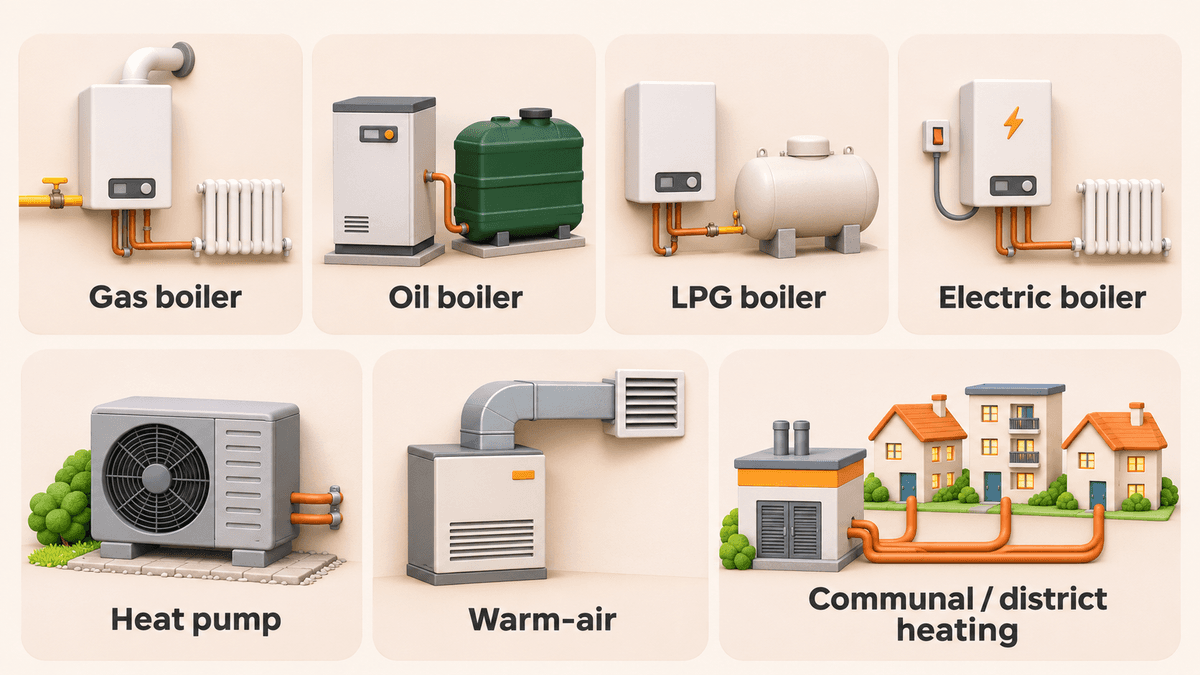
These categories can overlap. For example, boilers and heat pumps can both supply water-based systems using radiators or underfloor heating.
Does Central Heating Use Gas or Electricity?
Central heating can use gas or electricity, depending on its heat source. Boilers can also burn oil, LPG or biomass. The pipes and radiators distribute the heat; they do not determine the fuel.
Gas boilers burn gas to heat the circulating water.
Electric boilers heat water using electricity.
Air-source heat pumps use electricity to extract heat from outdoor air.
The English Housing Survey found that 86% of households in England used gas-fired main heating in 2023–24, while 8% used electric heating. These figures cover main heating generally, including systems other than central heating.
For an electric alternative, explore our guide to running heat pumps with solar panels.
Does Gas Central Heating Still Need Electricity?
Yes. Most modern gas systems need electricity for the pump, controls and ignition. Gas supplies the heat, but electricity operates the equipment. Consequently, heating usually stops during a power cut, even if gas remains available, as Citizens Advice explains.
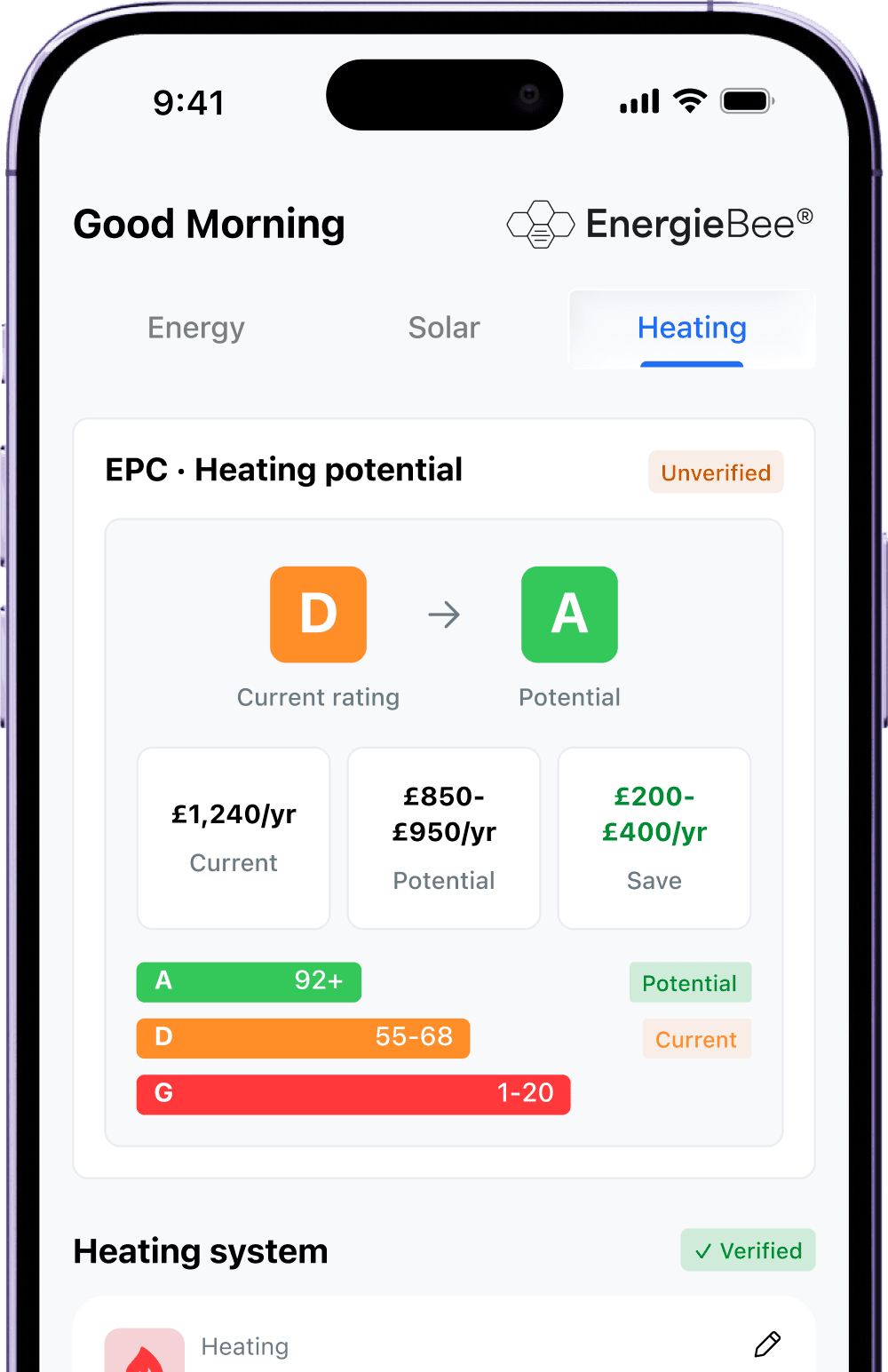
Install EnergieBee Before Your Next Heating Bill
See your energy use, spot costly habits and get personalised insights


Download EnergieBee
Scan with your phone's camera to get the app.
What Is Communal or District Heating?
Both supply heat to multiple homes through a shared network. The distinction is the area served:
Communal heating: Supplies separate homes within one building.
District heating: Supplies two or more buildings.
Heat travels through pipes from shared equipment, rather than being generated by an individual boiler in every home. Government guidance on heat networks explains how the shared supply works.
Who Invented Central Heating and When?
Central heating developed over centuries, rather than through one invention. Key milestones include:
Roman era: Hypocausts circulated furnace heat beneath floors and through wall flues. English Heritage dates their probable invention to the first century BC.
1830s: Angier March Perkins pioneered high-pressure hot-water heating in London. The Science Museum Group records a commercially available system in 1832.
1850s: Franz San Galli developed an early heating radiator, helping shape modern systems.
One memorable early use: Perkins installed heating at Bank of England Governor John Horsley Palmer’s home so he could grow grapes in England’s cold climate.
Install EnergieBee Before Your Next Heating Bill
EnergieBee brings your energy use and costs into one app, helping you spot patterns and find opportunities to reduce your bills. With compatible smart heating controls, you can also manage heating schedules around your routine.
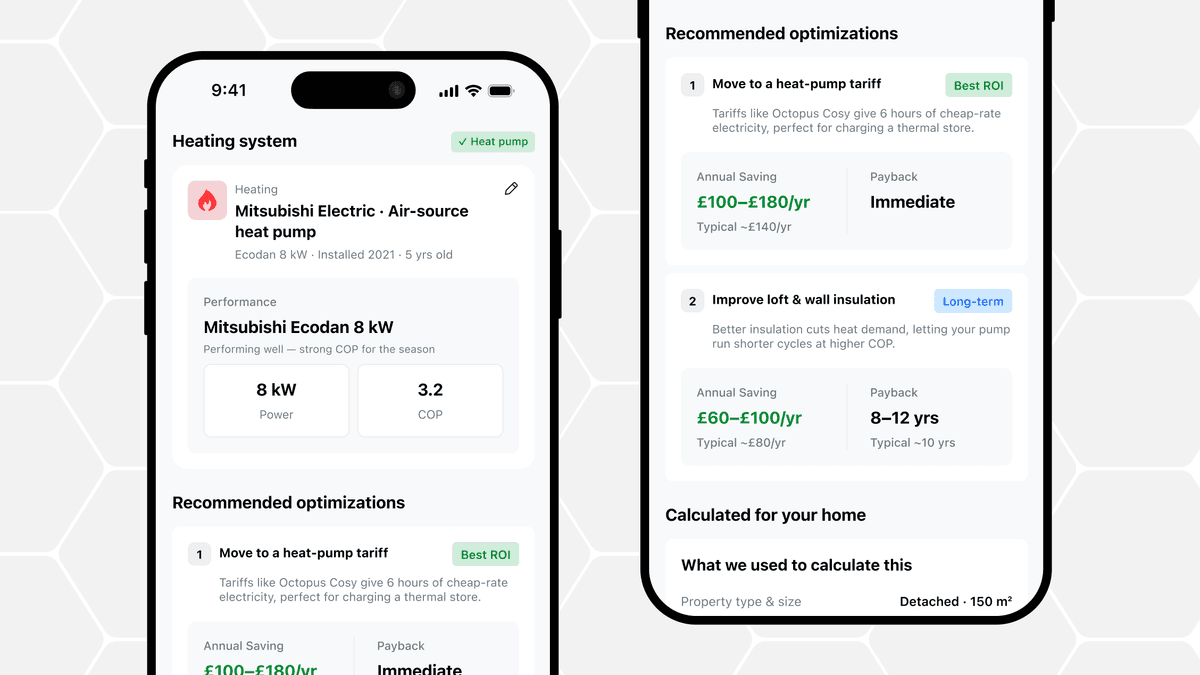
Download EnergieBee for free, create your account and connect your home’s energy data. Start understanding your usage today, so your next heating decision begins with your own home’s needs.
Frequently Asked Questions
Is Central Heating the Same as a Boiler?
No. The boiler is the heat source; central heating is the complete system, including pipes, radiators, a pump and controls. Central heating can also use a heat pump or shared heat supply instead of an individual boiler.
What Is the Difference Between Combi, System and Conventional Boilers?
The main difference is how they supply and store hot water. The Energy Saving Trust’s boiler guide explains:
Combi: Heats tap water on demand, without a separate cylinder.
System: Uses a separate hot-water cylinder.
Conventional: Uses a cylinder and usually additional water tanks in the loft.
How Can You Tell Which Heating System You Have?
Check the appliance’s model name and manual, then look at the connected equipment. A boiler without a separate cylinder is usually a combi. A boiler with a cylinder could be a system or conventional model; loft tanks suggest a conventional setup. These are clues, so confirm with your installer or landlord.
Does Central Heating Include Air Conditioning?
No. A standard boiler-and-radiator system heats your home but does not provide air conditioning. However, some systems can do both: air-to-air heat pumps can supply warm air in winter and cooling during warmer weather.
What Does Installing Central Heating Involve?
A full installation involves planning and fitting the heat source, radiators, pipework and controls. The installer assesses your home’s heating needs and equipment positions. Floors or walls may need opening for pipes. Gas boiler work must be carried out by a suitably qualified Gas Safe registered engineer.
How Can You Spend Less on Central Heating?
Start with your heating controls and routine. Set the lowest comfortable temperature, use radiator valves to manage individual rooms and keep your boiler or heat pump serviced annually. Heating schedules should suit your system. Also check whether you are on the best energy tariff for your usage.
 David Price