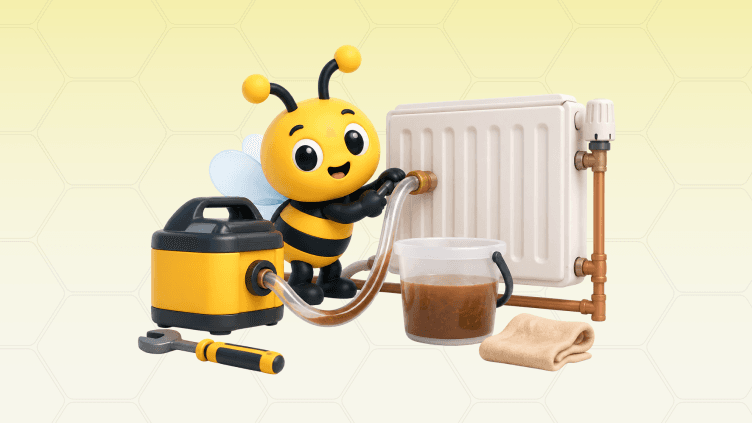
Flushing a central heating system removes the sludge and dirty water that build up inside radiators and pipes over time. This build-up can reduce heat output, affect circulation and make your heating system work harder than necessary.
There are three ways to flush a central heating system:
Chemical flush — a DIY option for general cleaning (£20–£50)
Manual radiator flush — cleaning individual radiators with a physical flush
Professional powerflush — a deeper clean for serious sludge problems (£300+)
Most homes do not need the most expensive option. This guide explains which method suits your system and what it may cost. For more on heating efficiency, explore our home heating intelligence tools. energiebee.com
What Does Flushing a Central Heating System Mean?
Flushing a central heating system means removing sludge, rust, magnetite and other debris from inside radiators and pipes to improve water circulation and heating performance.
Over time, corrosion inside a heating system creates dirty build-up that can settle in radiators and restrict water flow. This can affect your heating in three ways:
Radiator performance: Sludge can collect at the bottom of radiators, creating cold spots and reducing heat output.
Circulation: Deposits can restrict water flow, making the system work harder to move heat around your home.
Energy efficiency: Poor circulation can increase heating time and unnecessary energy use.
The flushing process removes contaminated water and replaces it with clean water, often with a corrosion inhibitor to help prevent future build-up. It is mainly used for wet central heating systems, which are common in UK homes.
Signs Your Central Heating System Needs Flushing
Your central heating system may need flushing when sludge and debris start affecting how well it heats your home. The main signs are poor radiator performance, slow heating and uneven heat distribution caused by restricted water flow.
Common signs include:
Radiators cold at the bottom while the top stays warm, which can indicate sludge build-up.
Rooms taking longer to heat up even when your heating is running normally.
Uneven heat distribution, where some radiators are hot while others stay lukewarm.
Brown or black water when bleeding a radiator, showing corrosion inside the system.
Banging, whistling or kettling noises from the boiler caused by circulation problems.
Radiators needing frequent bleeding because heating issues keep returning.
Check Before Flushing
Not every heating problem is caused by sludge. Before flushing, check for other possible causes:
Trapped air inside radiators, which usually causes cold spots at the top.
Other heating faults such as pressure issues or component problems.
Finding the actual cause first can help you avoid an unnecessary flush.
The 3 Ways to Flush a Central Heating System
There are three main ways to flush a central heating system: chemical flush, manual radiator flush and professional powerflush. The right option depends on the amount of sludge build-up, the condition of your system and the heating problems you are experiencing.
Method | Cost | Best For |
Chemical flush | £20 to £50 | General cleaning, maintenance and mild sludge build-up |
Manual radiator flush | £0 to £30 | Individual radiator problems or heavy sludge in specific radiators |
Professional powerflush | £300+ | Severe sludge, multiple cold radiators and poor circulation |
A chemical flush is usually enough for basic maintenance, while a powerflush is designed for more serious system problems. In some cases, a combination of methods may be used, such as manually cleaning a badly affected radiator before treating the rest of the system.
How to Do a DIY Chemical Flush
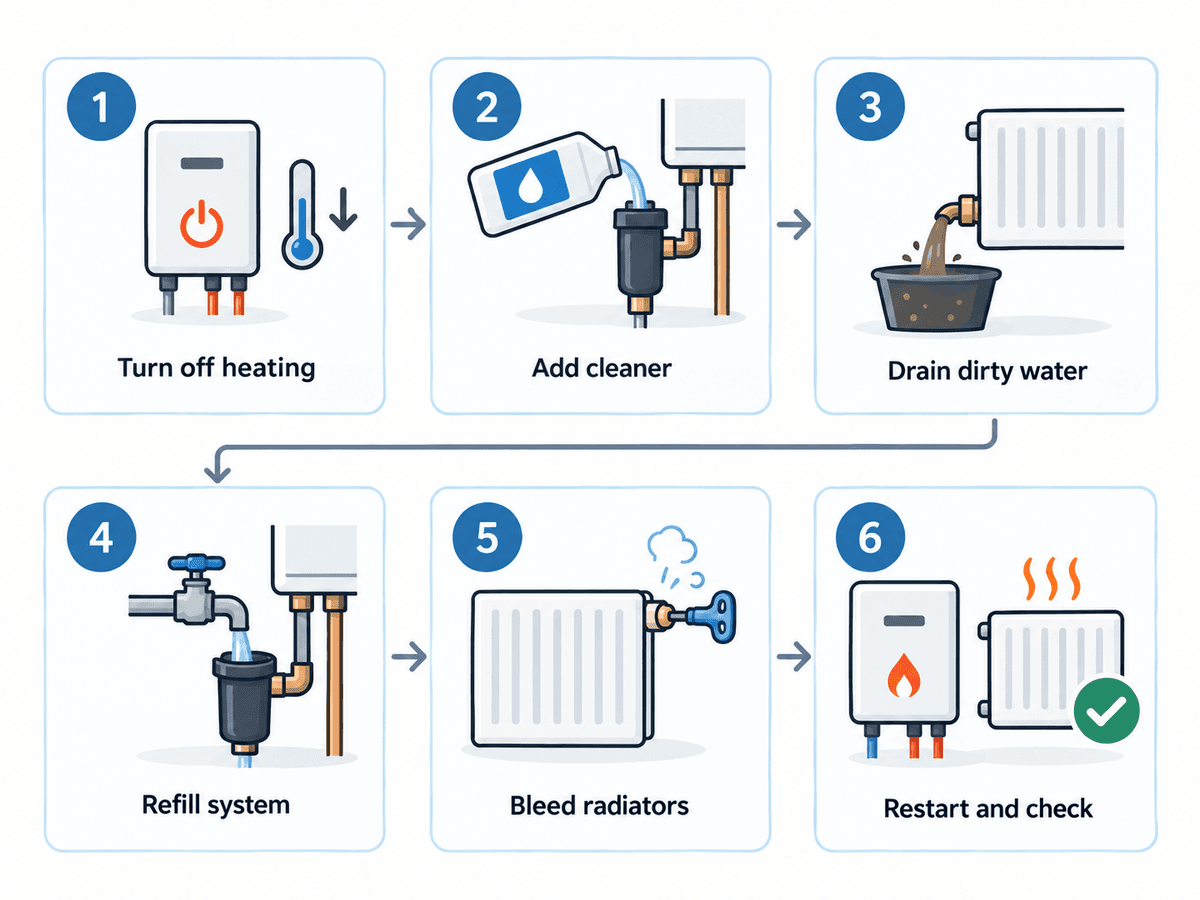
A DIY chemical flush involves adding a cleaning solution to your central heating system, allowing it to break down sludge and debris, then draining and refilling the system with clean water. Below are the main steps to flush your system safely and effectively.
Things You Will Need
Central heating cleaner, such as Sentinel X400, X800 or Fernox F3
Corrosion inhibitor, such as Sentinel X100 or Fernox F1
Radiator bleed key
Garden hose
Adjustable spanner
Towels and a container for catching water
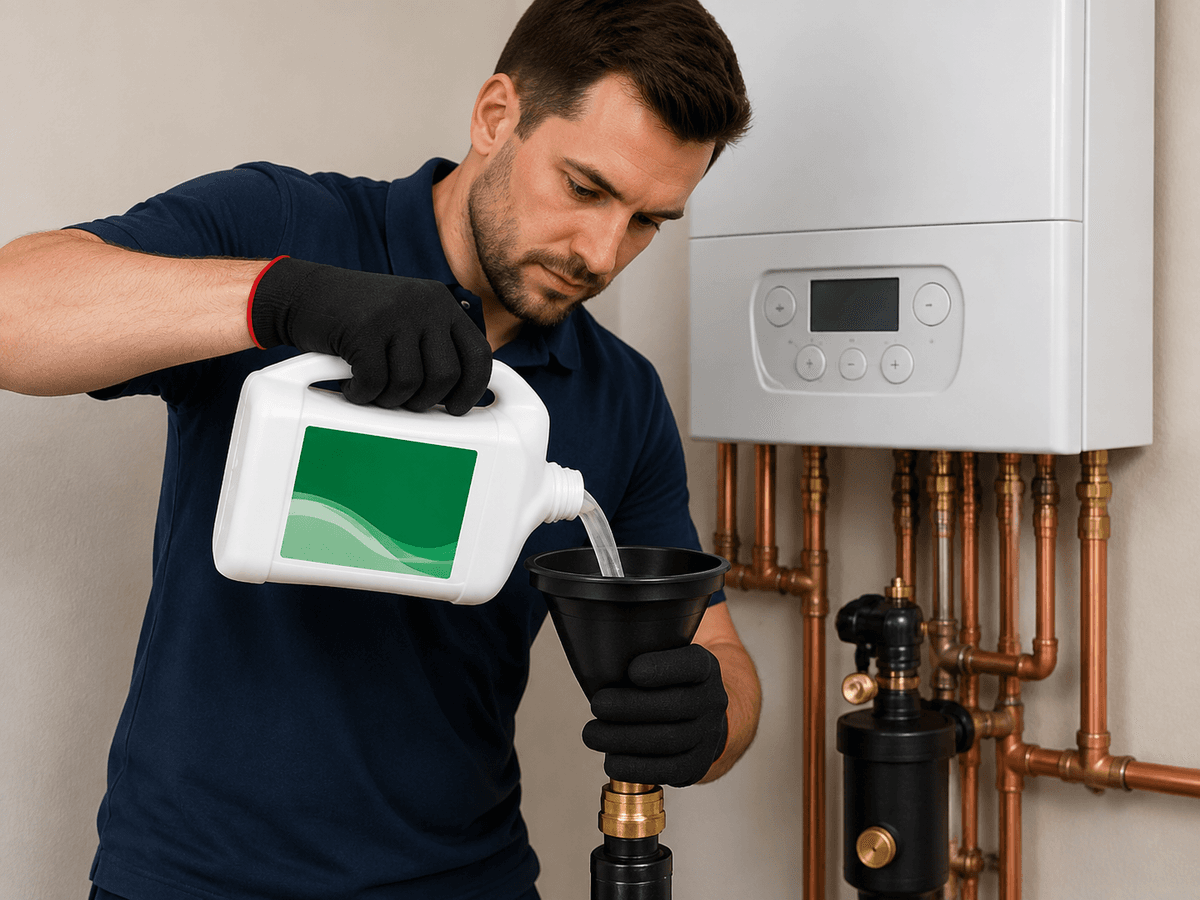
Step 1
Add the Cleaning Chemical
Choose a cleaner based on your system condition and add it according to the product instructions. Allow the solution to circulate through the system to break down sludge and debris.
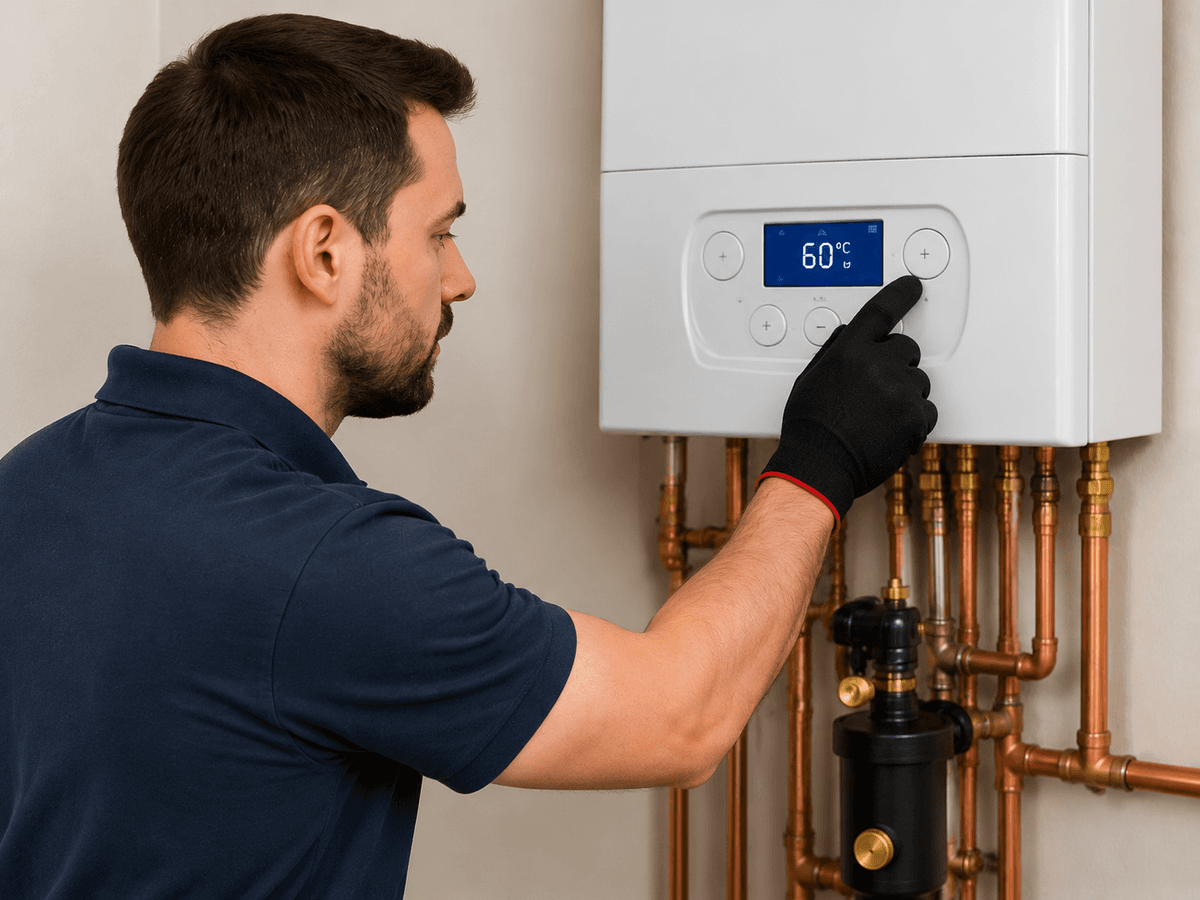
Step 2
Run the Heating System
Turn on the heating and let the cleaner circulate for the recommended time. If you have a magnetic filter, check it as it may collect loosened sludge.
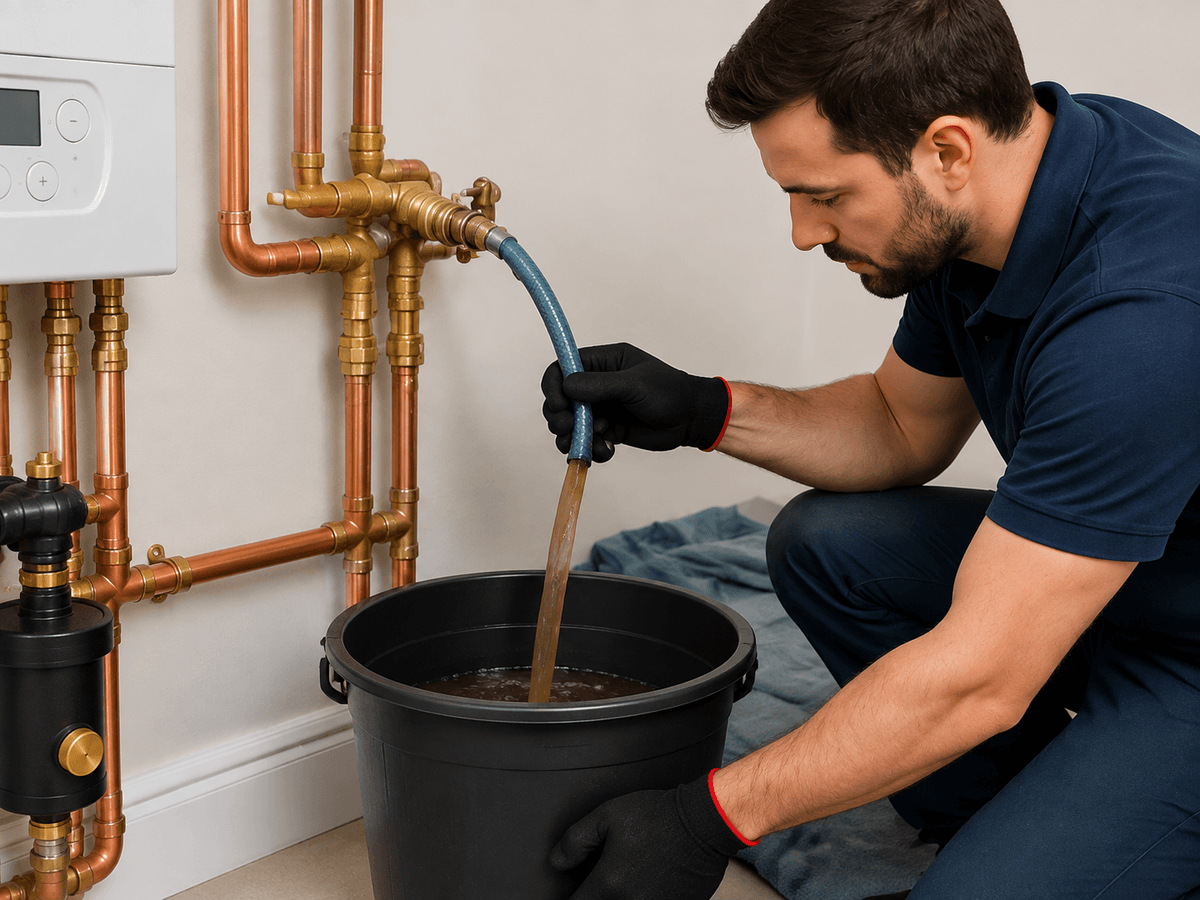
Step 3
Drain the Dirty Water
Switch off the heating and allow the system to cool before draining. Remove the dirty water and repeat with fresh water until it runs clear.
Step 4
Refill with Clean Water
Close the drain valve and refill the system with fresh water. Make sure the system pressure is restored correctly before continuing.
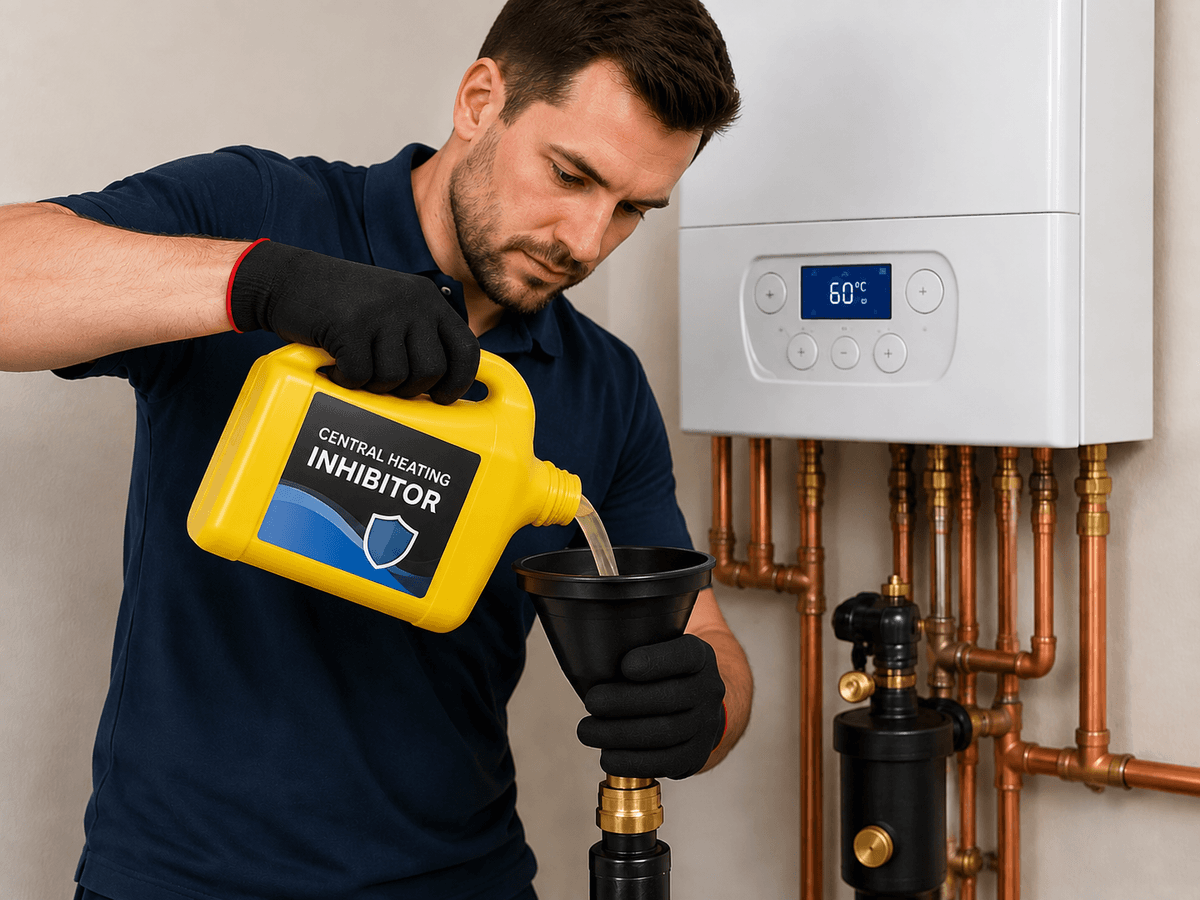
Step 5
Add the Inhibitor
Add a corrosion inhibitor to protect the system from future rust and sludge build-up. Skipping this step can reduce the benefits of the flush.
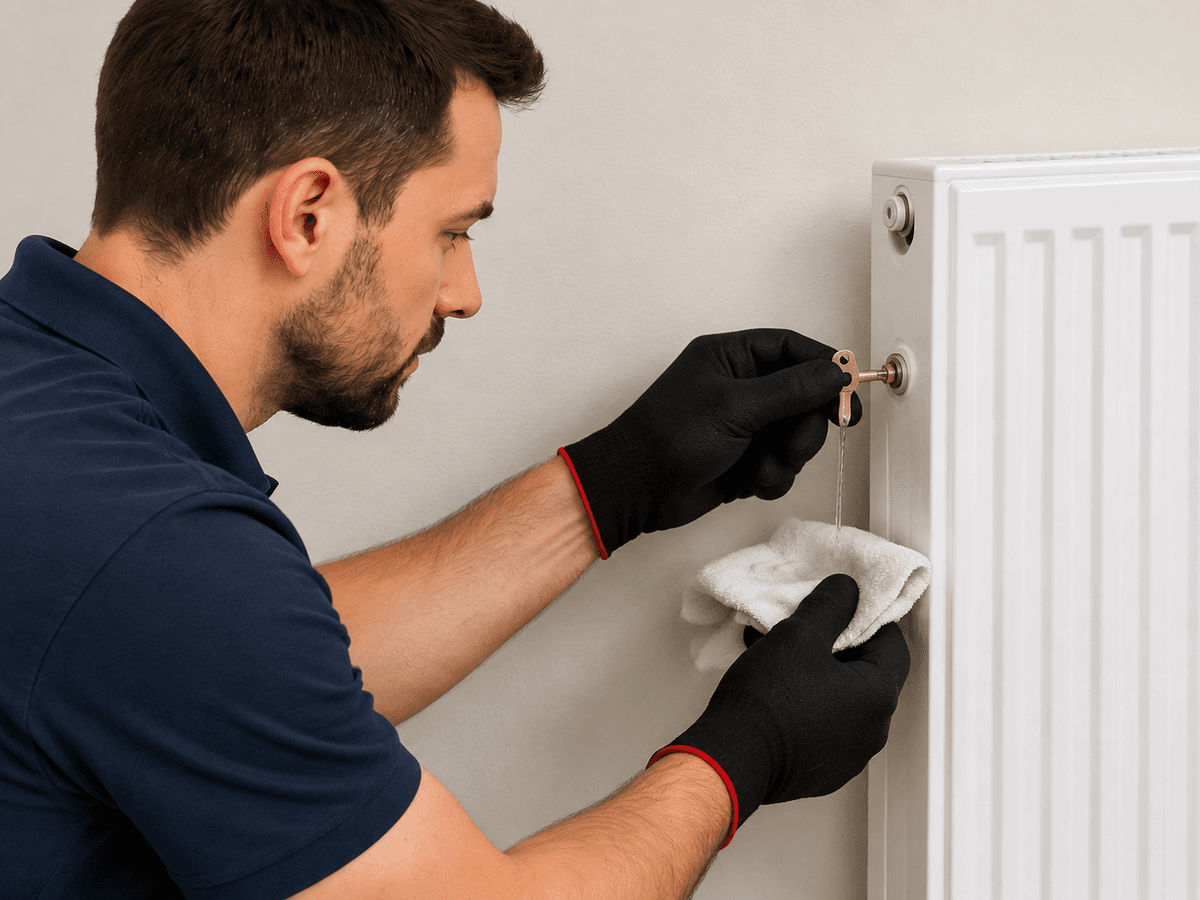
Step 6
Bleed the Radiators
Remove trapped air from the radiators using a bleed key, then check the system pressure and adjust if needed.
What Is a Professional Powerflush?
A professional powerflush is a specialist cleaning process that uses a machine to remove stubborn sludge, rust and debris from a central heating system. It circulates cleaning chemicals through the system at high velocity but low pressure.
It is mainly used for severe sludge build-up, multiple cold radiators or poor circulation problems. The right approach depends on your heating system’s condition.
A powerflush may be suitable for:
Multiple cold radiators
Heavy sludge build-up
Poor water circulation
Ongoing heating problems
Track Your Heating Performance with EnergieBee
Monitor energy use and heating changes to understand your home's performance
Powerflush Considerations
A powerflush is more expensive than a chemical flush and is not needed for every system. Older heating systems may need an assessment before cleaning.
Always use a qualified engineer through the Gas Safe Register when professional work is required. For product guidance on powerflushing, see Sentinel Protects FAQ.
How Much Does It Cost to Flush a Central Heating System?
The cost of flushing a central heating system depends on the method you choose, the size of your system and the level of sludge build-up. A simple DIY clean can cost under £50, while a professional powerflush usually costs several hundred pounds.
Method | Typical Cost | Best For | Who Can Do It |
DIY chemical flush | £20 to £50 | General cleaning and mild sludge build-up | Confident homeowners |
Manual radiator flush | £0 to £30 | Individual radiator problems or heavy sludge in specific radiators | DIY users |
Powerflush machine hire | Around £60 to £80 per day | Experienced DIY users with suitable systems | Advanced DIY |
Professional powerflush | £300 to £500+ | Severe sludge, multiple cold radiators and circulation problems | Heating professionals |
The final cost can vary depending on:
Number of radiators in your home
System condition and access
Engineer rates in your area
Whether additional parts, such as filters or inhibitor, are needed
For most homes, choosing the right cleaning method matters more than choosing the most expensive option. A powerflush is not always necessary if a chemical or manual flush can solve the problem.
Do You Need to Flush Before Installing a New Boiler?
Yes, a central heating system should be properly cleaned before installing a new boiler. Removing sludge and adding inhibitor helps protect the new boiler and allows it to work with a cleaner system.
However, a powerflush is not always required. The right cleaning method depends on the condition of your heating system, the amount of sludge present and the boiler manufacturer’s requirements.
If you are considering a boiler upgrade, see our guide on should I upgrade my boiler to understand when replacement may make sense.
How Often Should You Flush a Central Heating System?
Most central heating systems do not need regular flushing every year. A flush is usually considered when performance drops, problems appear or during a boiler replacement.
As a general guide:
Flush around every 5 to 6 years if needed
Clean the system when radiators develop cold spots or circulation issues
Check system protection after any drain-down or maintenance work
Regular maintenance can help prevent sludge returning. Keeping your heating system serviced and protected with inhibitor can reduce future build-up.
For more ways to reduce heating waste and improve efficiency, see how to reduce heating energy waste.
Track Your Heating Performance After a Flush
A successful flush should improve how your heating system performs, but your energy bills alone may not show the difference. Weather, tariffs and daily habits can all affect what you pay.
Tracking your energy use before and after a flush can help you see changes in:
Heating patterns
Energy consumption
System performance over time
With EnergieBee Energy, you can monitor your home's energy usage and understand how heating improvements affect your overall consumption.
Frequently Asked Questions
Can I Flush My Central Heating System Myself?
Yes, a DIY chemical flush is suitable for many homes with mild sludge build-up. It involves adding a cleaning chemical, draining the system and refilling it with fresh water and inhibitor.
A professional powerflush uses specialist equipment and is better left to an experienced heating engineer.
How Long Does a Central Heating Flush Take?
The time depends on the method used:
Chemical flush: Can take several hours to several weeks depending on the cleaner used.
Manual radiator flush: Usually takes longer because radiators are cleaned individually.
Powerflush: Often completed within a day.=
Is Powerflushing Worth It?
A powerflush can be worthwhile if your system has multiple cold radiators, poor circulation or heavy sludge build-up.
However, it may not be necessary for a system with minor issues that can be solved with a simpler chemical or manual flush.
How Often Should Central Heating Be Flushed?
There is no fixed schedule for every home. A flush is usually needed when heating performance drops, sludge symptoms appear or when installing a new boiler.
Many systems may benefit from a flush around every 5 to 6 years, depending on condition and maintenance.
What Removes Sludge From a Central Heating System?
Purpose-made heating cleaners are designed to break down sludge and corrosion deposits. Common products include Sentinel, Fernox and similar central heating cleaning solutions.
Household cleaning products should not be used because they are not designed for heating systems.
Does Flushing Improve Heating Efficiency?
Flushing can improve circulation by removing sludge that blocks water flow through radiators and pipes. This can help your heating system work more effectively and reduce unnecessary running time.