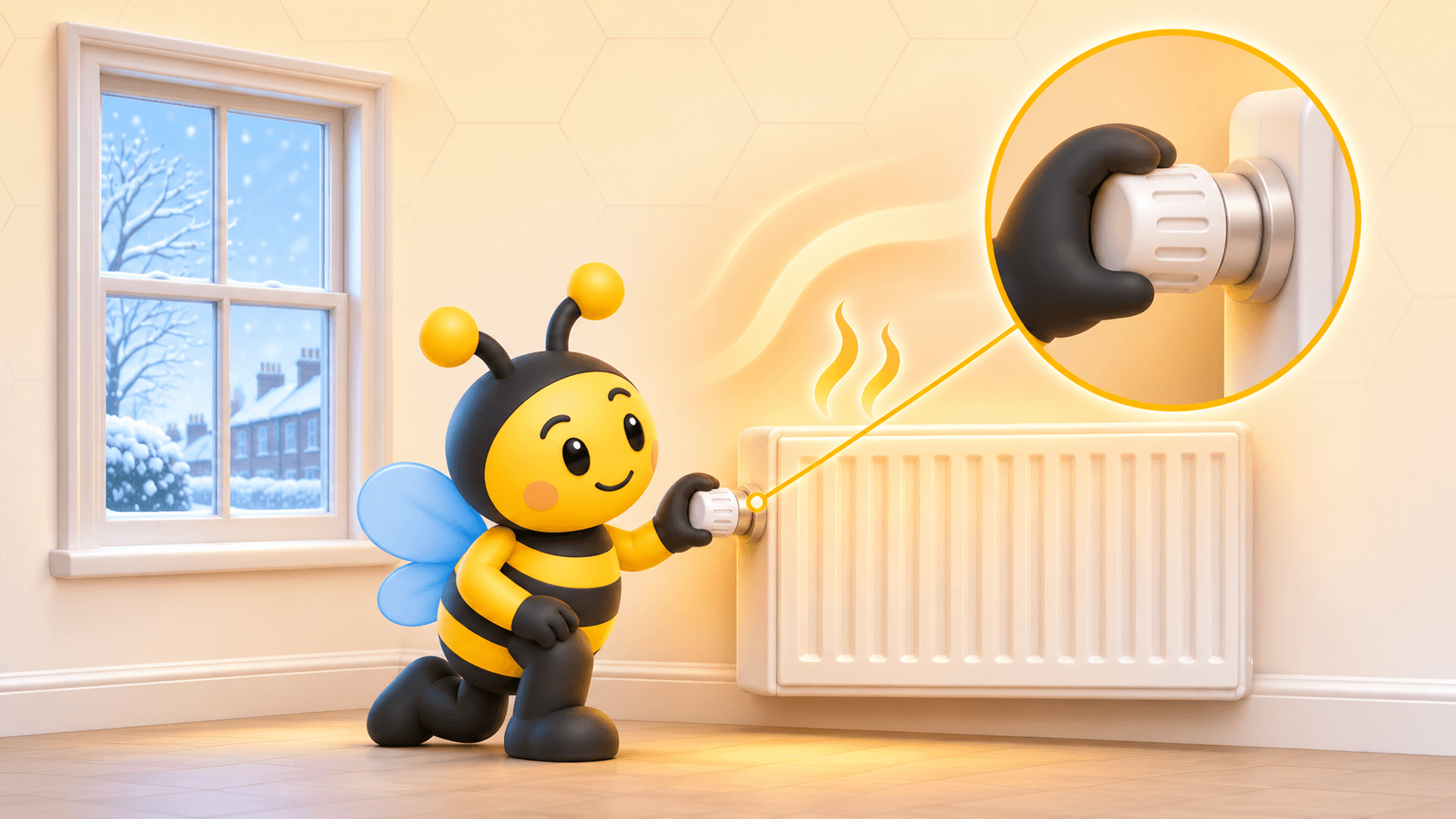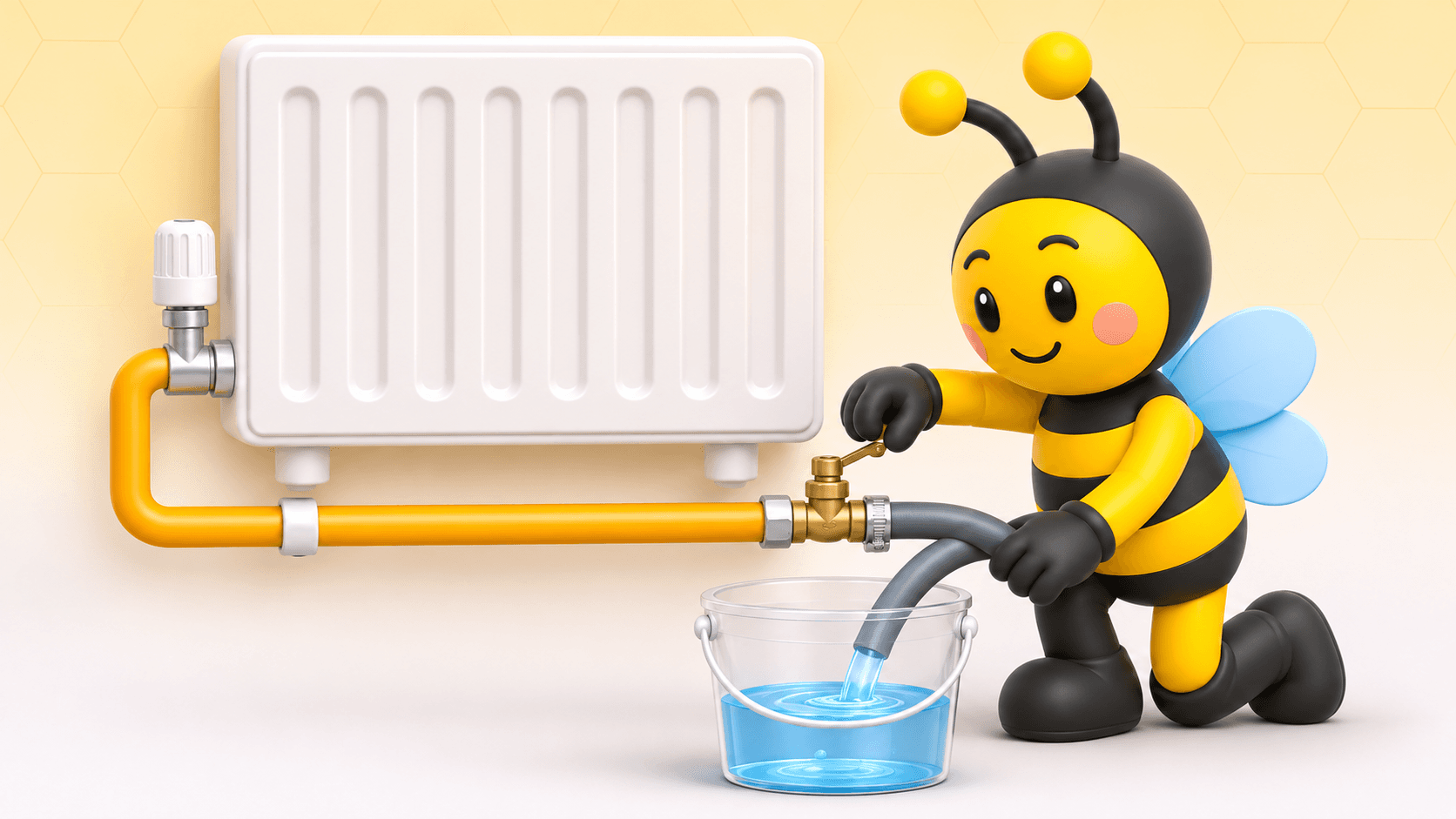
To drain a central heating system, switch off the boiler and its electrical supply, then let it cool. Shut off any water feed and secure a hose to the lowest drain-off valve. Route the hose to a suitable discharge point and open the valves as your boiler manual directs. Baxi user manual
If you’re working on one radiator, isolating it at both valves is usually enough. If you’re removing sludge, see how to flush a central heating system.
This guide covers UK hot-water heating systems. Follow your boiler manual for the refill procedure. Water in the pipes may still be hot after shutdown.
Why and When to Drain the System
Drain the heating circuit when a repair needs the pipework emptied. This can include fixing a major leak, moving a radiator or fitting a new valve into the pipework. If the work is limited to one radiator, you can often isolate and drain that radiator on its own. Baxi user manual
If the house will be empty in winter, check your boiler’s frost protection instructions first. Baxi advises keeping the system filled where possible. If the power or fuel supply will be off, ask your installer how to protect the system.
If you rent, report the heating problem to your landlord or managing agent and ask them to arrange the work. GOV.UK guidance on rental repairs
Sealed or Open-Vented? Check Before You Start
Check which type of heating system you have before opening the drain-off valve. The main clue is how water enters the heating circuit.
System type | What to look for | Before draining | When refilling |
Sealed | A pressure gauge and a filling loop or built-in filling control | Check that the filling control is closed. | Use the filling control and follow the cold pressure in your boiler manual. |
Open-vented | A small feed-and-expansion tank above the radiators, often in the loft | Shut off the water supply to the small tank so it cannot keep topping up the circuit. | Restore the supply to the tank so it can refill the circuit. |
A hot water cylinder can be present with either setup. If you can’t identify the system or its water feed, ask a heating engineer before draining it. Worcester Bosch system layouts and filling guidance
For a closer look at the main components, see how your home heating system works.
Set Up EnergieBee Before You Drain
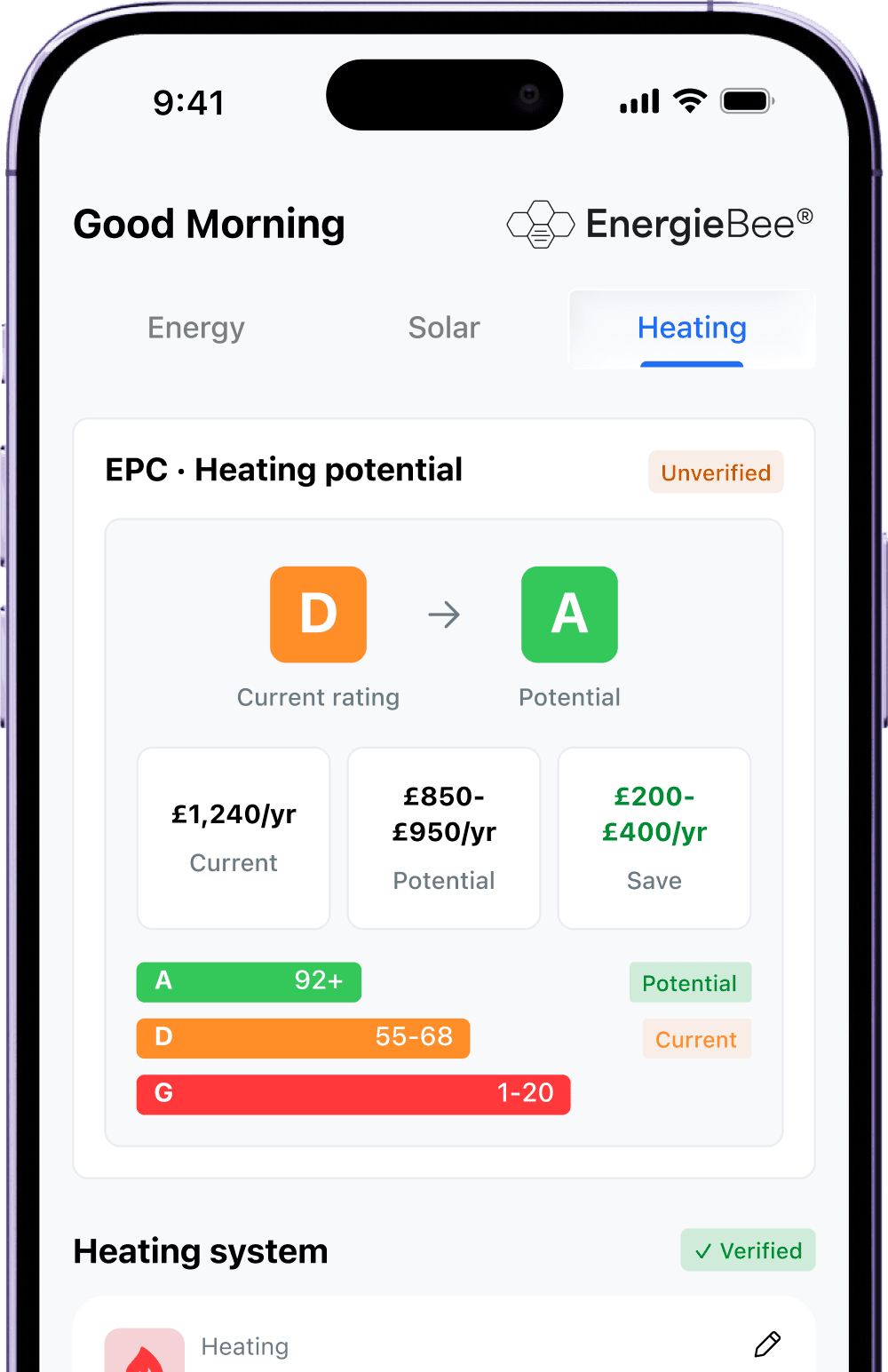
If your heating is still running normally, connect your home’s energy data in EnergieBee. Use the daily energy view to note how much energy your home uses over a few days before the work.
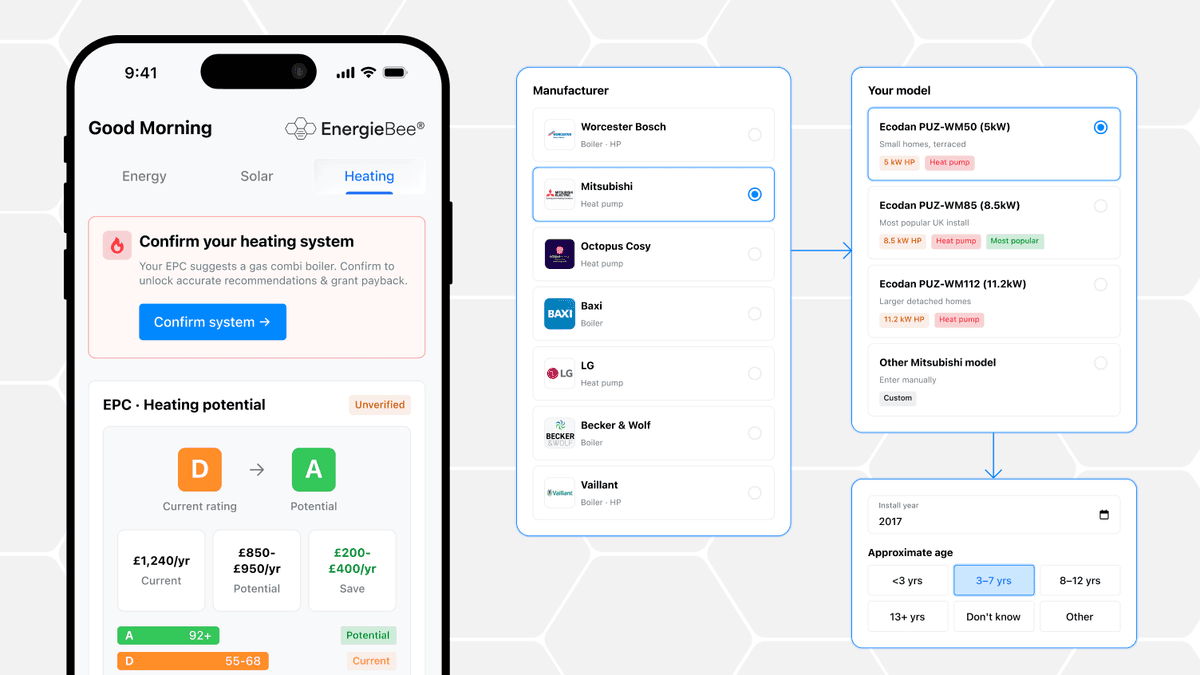
Once your heating is running normally again, compare days with similar outdoor temperatures and heating schedules. If you’ve already switched the heating off, you can start tracking after the work.
The Drain-Off Valve and Other Valves You’ll Use
Look for a small hose outlet on a low heating pipe or at the bottom of a radiator. That’s the drain-off valve, where water leaves the system. The control valves at the bottom of each radiator let water flow through it. The bleed vent near the top lets air in during draining and out during refilling.
Have a hose, hose clip, drain-off key or suitable spanner, radiator bleed key, shallow tray and towels ready.
How to Drain the System, Step by Step
Check the order in your boiler manual. Baxi’s 200 and 400 Combi guide, for example, asks you to open the radiator valves before switching off the boiler.
Step 1. Switch Off the Boiler
Switch off the boiler and isolate its electrical supply at the switch identified in the manual. Let the radiators and pipes cool. Water inside can still be hot, so open the drain slowly. Leave work on the gas boiler itself to a Gas Safe registered engineer.
Step 2. Stop Water Entering
On a sealed system, check that the filling loop valves or built-in filling control are closed. On an open-vented system, shut off the water supply to the small feed-and-expansion tank so it can’t keep topping up the heating circuit.
Step 3. Connect the Drain Hose
Put a tray and towel under the lowest suitable drain-off valve. Push the hose onto the outlet and secure it with a clip. Run it downhill to a foul-water drain. Keep heating water out of rainwater gullies, road drains and the garden.
Step 4. Open the Radiator Valves and Drain-Off Valve
If you haven’t already opened the radiator control valves, open them now. Turn thermostatic radiator valves to their highest setting. With the hose secured, open the drain-off valve slowly using the tool that fits its stem. Check that water is flowing from the hose.
Step 5. Open the Bleed Vents
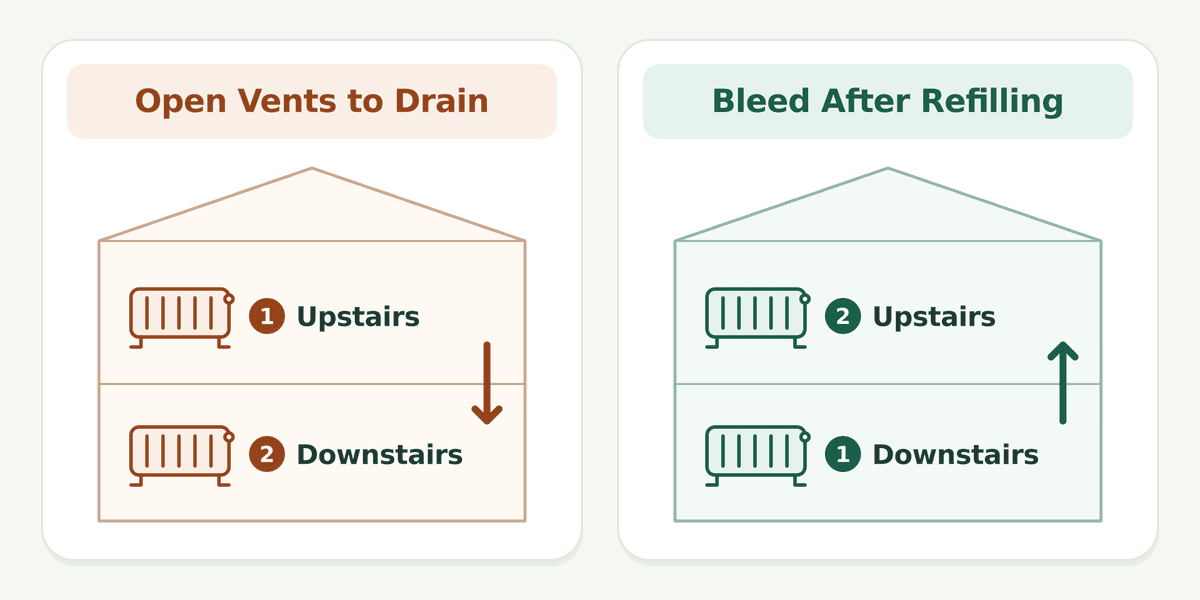
Once water is draining, crack open the highest radiator’s bleed vent with a bleed key. Work down through the house as the flow slows. The open vents let air in so water can drain from the circuit. Keep a cloth handy for drips.
Step 6. Close the Valves and Vents
When water stops coming out of the hose, close the drain-off valve and the bleed vents. Low pipe runs and radiators fed by pipes from above can still hold water. Check whether the section you’re working on has its own drain point before undoing a fitting.
No Drain-Off Valve? Read This First
If you can’t find a suitable drain-off valve, ask a heating engineer to drain the circuit or fit one at a low point. Leave radiator connections in place. Loosening a connection can release water that’s still in the radiator or pipework.
How to Refill and Re-Pressurise After Draining
Step 1. Close the Drain-Off Valve and Vents
Once the work is complete, check that the drain-off valve and bleed vents are shut and the radiator control valves are open. Check the inhibitor instructions now. Some systems need the inhibitor added before the water goes back in.
Step 2. Refill for Your System Type
Sealed system. Open the filling control slowly and watch the gauge. Close the control when the gauge reaches the cold pressure specified in your boiler manual. Many boilers use around 1 to 1.5 bar.
Open-vented system. Restore the water supply to the feed-and-expansion tank and let it refill the heating circuit. The tank feeds the circuit by gravity.
Step 3. Bleed the Radiators
Keep the heating off. Unless your manual specifies a different order, start downstairs and work upstairs. Open each bleed vent slightly, catch any drips with a cloth and close it when water flows steadily.
Step 4. Recheck the Pressure and Test the Heating
On a sealed system, check the gauge while the system is still cold. Top up to the manual’s target if bleeding lowered the pressure. Check the drain-off valve and any joints you worked on for leaks. Once the system is full and you’ve completed any dosing required before startup, switch the heating on and check that the radiators warm up. If the pressure keeps falling, ask a heating engineer to check it.
Step 5. Restore Corrosion Protection
Draining removes or dilutes the inhibitor that protects the system from corrosion. If you haven’t already dosed it, follow the boiler manual and product instructions for the timing, amount and dosing point. If you only drained part of the system, check the remaining concentration before adding more.
Compare Your Energy Use After Refilling
Once your usual heating schedule is back, compare daily energy use in kWh with the days you recorded before draining. Choose days with similar outdoor temperatures and heating schedules. If you missed the first readings, set up EnergieBee and use the next few days as your starting point.
Heating Back On? Track Your Energy Use
Connect your home’s energy data in EnergieBee to see how much energy you use each day.


Download EnergieBee
Scan with your phone's camera to get the app.
Frequently Asked Questions
How Long Should You Leave Sentinel X800 in the System?
Allow about one hour of circulation for a typical clean with Sentinel X800 Fast Acting Cleaner. Follow the product instructions for draining and flushing afterwards. If you’re using a powerflushing machine, follow its instructions for circulation time.
Can You Drain a Hot Water Cylinder Yourself?
A hot water cylinder stores water for your taps and often sits in an airing cupboard. If yours is unvented, use a heating engineer qualified to work on unvented cylinders. For a vented cylinder, check the manufacturer’s instructions. If the drain valve is stuck or the cylinder won’t empty, stop and ask a plumber for a quote.
When Should You Bleed Your Radiators?
Bleed a radiator if it’s cold at the top and warm at the bottom, which can indicate trapped air. Switch off the heating and let the radiator cool first. If only one radiator has a cold top, start with that one. If the bottom stays cold while the top warms, sludge may be the cause.
How Much Water Does a Radiator Hold?
A small panel radiator can hold a few litres, while a larger double-panel model can hold considerably more. Check the manufacturer’s datasheet for the water capacity of your radiator’s exact size and type.
How Much Does It Cost to Run a Radiator for an Hour?
A radiator on gas central heating has no fixed hourly cost of its own. For the whole system’s fuel cost, multiply the gas used for heating in that hour in kWh by your gas unit rate. For an electric radiator, multiply its power in kW by the time it draws power in hours and your electricity unit rate. Closing curtains at dusk helps keep heat in.
How Often Should You Drain a Central Heating System?
There’s no set drain-down schedule for a heating system that works normally. Drain it when the job calls for it, such as moving a radiator, repairing a major leak or flushing the system.
 Syed Reza