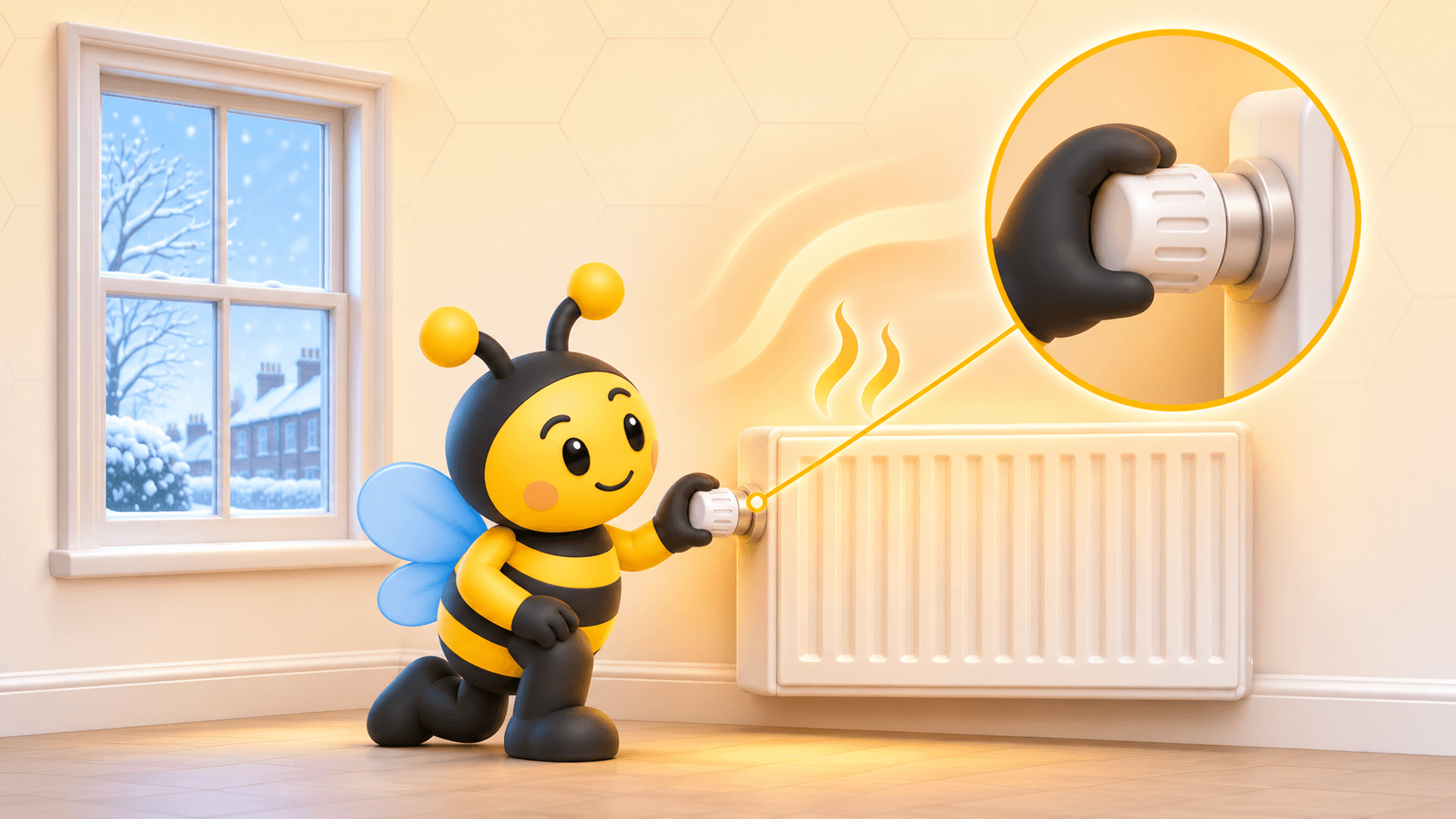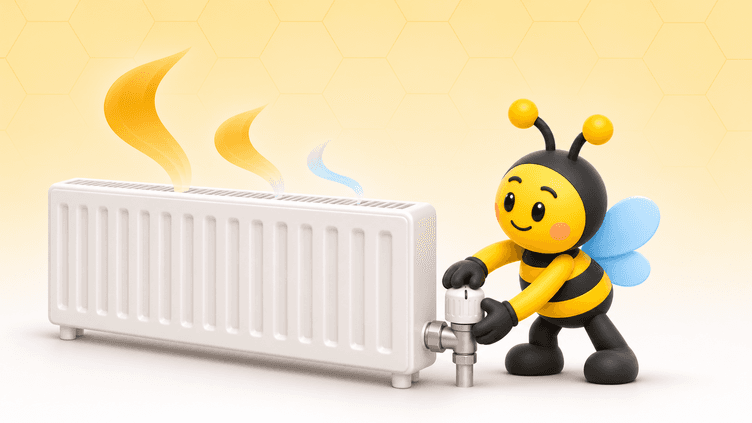
To turn a radiator off, gently turn the manual valve clockwise until it stops, or use the off setting on your thermostatic radiator valve (TRV) if it has one. To isolate the radiator for removal, close both valves, including the lockshield at the other end.
The snowflake marks the frost-protection setting. The valve can reopen if the room gets cold enough.
This guide covers hot-water radiators in home heating systems. Check your valve manufacturer’s instructions before disconnecting a radiator.
Turning Off a Single Radiator
You can turn off one radiator while the rest of the heating stays on. Close the manual valve clockwise or use the TRV’s off position if it has one. For removal, isolate the radiator at both ends and have it drained first.
Radiator Valve Types and Which Way to Turn Them
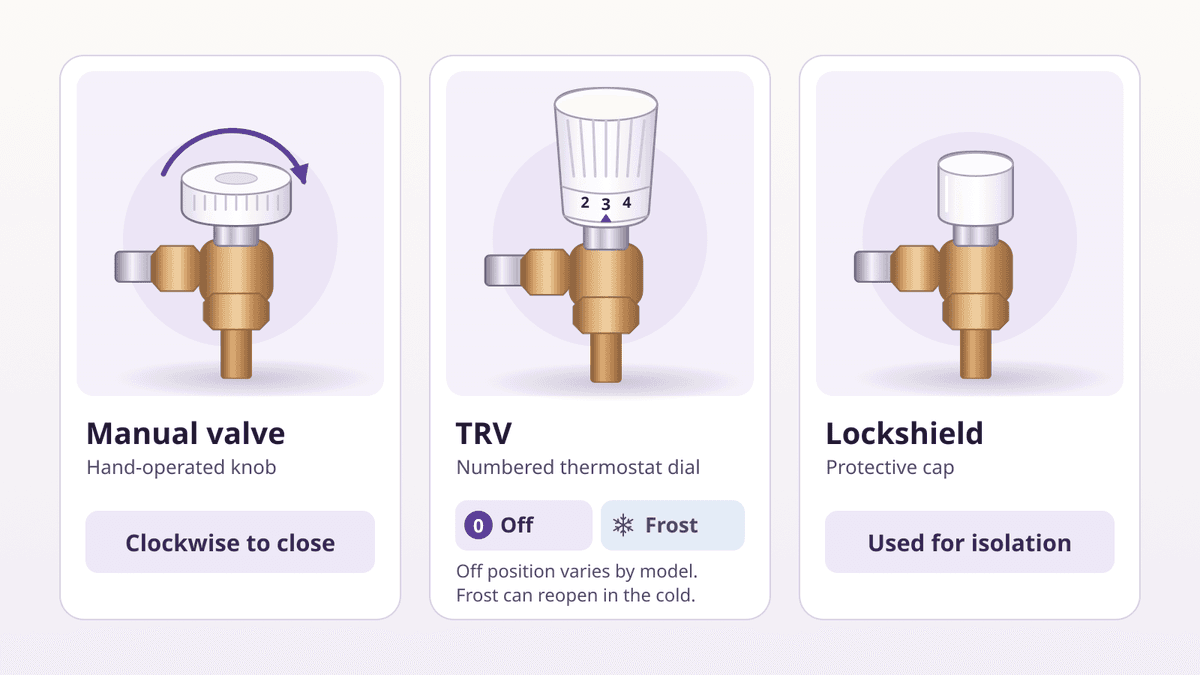
Check the valves at the radiator’s pipe connections. The dial, knob or cap can help you tell them apart.
Valve | How to recognise it | Which way to turn it |
Manual valve | A hand-operated knob, usually without numbers | Turn clockwise to close and anticlockwise to open. Follow any markings on the valve. |
Thermostatic radiator valve (TRV) | A numbered dial, often with a snowflake | Turn towards a lower number for a cooler room. Select the off position if your model has one. |
Lockshield valve | Usually a small cap covering the valve stem | Turn the stem clockwise to close it when you need to isolate the radiator. Leave it at its existing setting for everyday use. |
Check your valve’s manual for the right tool. For example, a Stelrad lockshield may use an Allen key.
How to Turn Off a Radiator Valve
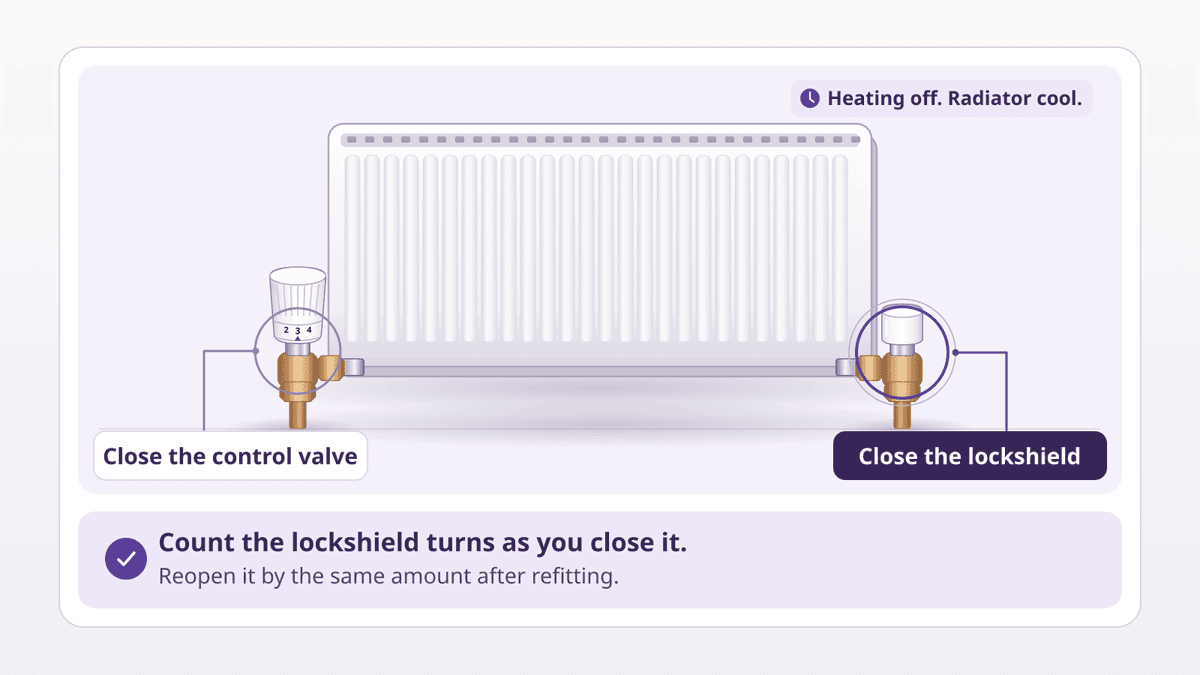
Use the control valve to turn the radiator off for everyday use. For removal, switch off the heating, let the radiator cool and isolate it at both ends.
Turning Off a Radiator for Everyday Use
Adjust the control valve and leave the lockshield at its existing setting.
How to Close a Manual Radiator Valve
Turn the knob clockwise by hand until you feel it stop. If you only want less heat, stop partway. If the knob won’t move easily, leave it alone.
How to Turn Off a Thermostatic Radiator Valve (TRV)
Set the dial to 0 or Off if your model has a dedicated shut-off position. At the snowflake setting, frost protection can reopen the valve if the room gets cold while the heating is on.
How to Isolate a Radiator for Decorating or Removal
If you need to take the radiator off the wall, close both valves to cut off water flow. The radiator still holds water after isolation, so arrange for it to be drained before removal.
Step 1. Switch Off the Heating
Switch off the heating at the controller and let the radiator and pipes cool.
Step 2. Close the Control Valve
Close the manual valve clockwise, or use the TRV’s confirmed off position. If the TRV only has a frost setting, check whether the manufacturer specifies a shut-off cap for that model. If you’re unsure the valve can be fully closed, ask a heating engineer before disconnecting anything.
Step 3. Close the Lockshield Valve
Lift or unscrew the protective cap, depending on the model. Use the tool specified for your valve and turn the stem clockwise until it closes. Record the full and partial turns so you can restore the setting when the radiator is refitted.
Track Your Home’s Energy Use
Compare your daily energy use before and after turning a radiator down.


Download EnergieBee
Scan with your phone's camera to get the app.
What If the Valve Is Stuck, Painted Over or Missing a Knob?
Leave the valve alone if you can’t turn it by hand or the knob is missing. Ask a heating engineer to check it. If you rent, report the problem to your landlord or housing provider.
Should You Turn Radiators Off in Unused Rooms?
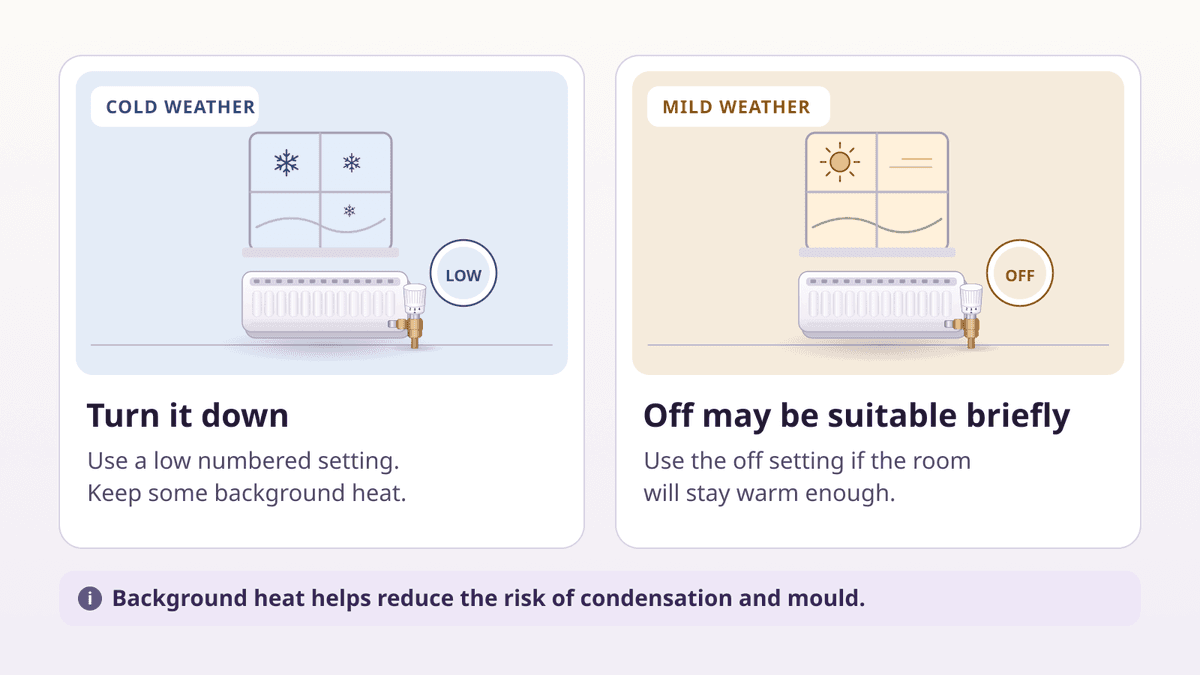
In cold weather, it’s usually better to turn a radiator down in an unused room. In mild weather, you may be able to turn it off for a short spell.
When to Keep Some Background Heat
Use a low numbered TRV setting if you want to keep some warmth in a room you rarely use. The Energy Saving Trust advises, “Keeping some background heat can help reduce the risk of condensation and mould.” Frost protection is designed to kick in when the room gets very cold.
For other ways to adjust your heating, see our guide to saving money on heating.
What to Do in the Room With the Main Thermostat
If a separate wall thermostat controls the whole system, keep that room’s TRV fully open unless your installer advises otherwise. A low setting can shut the radiator off before the room reaches the thermostat’s target, so the heating keeps running.
Capping Off or Removing a Radiator
Capping off a radiator means sealing the open connections after the radiator has been taken off the wall. A plumber can fit blanking caps to suitable valve outlets for a temporary removal, such as decorating. For permanent removal, they may fit stop ends to the pipes.
A sealed system can stay pressurised after isolation. A heating engineer can choose the fittings, check for leaks and adjust the flow to other radiators if needed.
Changing a Radiator Valve (With or Without Draining)
A heating engineer can drain the circuit or temporarily stop the flow in the pipe. The method depends on the heating system and pipework.
When Should You Replace a Radiator Valve?
Ask a heating engineer to check a valve if it leaks, sticks or lets the radiator heat up even at the off setting. Sometimes only the TRV head needs replacing. If you’re upgrading a manual valve to a standard or smart TRV, ask which models fit your pipework.
Can a Radiator Valve Be Replaced Without Draining the System?
Yes, in some cases. A heating engineer can freeze water inside a suitable pipe to form a temporary plug. On some systems with a feed tank, they can temporarily plug the feed and vent pipes, a method called bunging. If neither method suits the system, the engineer can drain it to below the level of the valve.
Opening pipework before the flow is controlled can cause flooding. Know where your main stop tap is, and remember that a sealed heating circuit can still hold water under pressure. In Great Britain, work on a gas boiler or its final water connections requires a Gas Safe registered engineer. Radiator-side valve replacement is water-side plumbing.
Time and cost depend on access and whether the system needs draining and refilling. See the Blue Bulldog Plumbing bunging demonstration.
Track Energy Use with EnergieBee
EnergieBee shows your home’s daily energy use and local weather insights. You can compare daily totals before and after turning a radiator down or off.
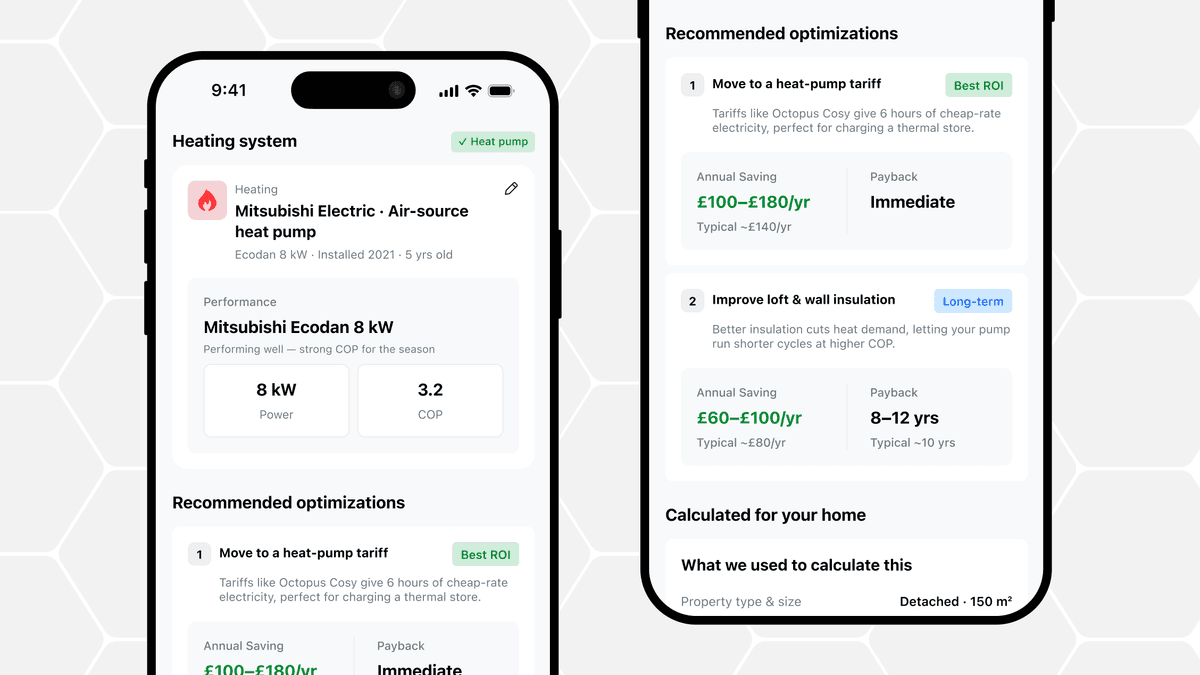
If you lower the radiator setting in a spare room, compare a few days with similar outdoor temperatures. Keep your usual heating schedule and check whether your energy use changes and the room still feels comfortable.
Download the EnergieBee app to check your daily energy use.
Frequently Asked Questions
Why Does My Boiler Stay On Even Though the Heating Is Off?
A combi boiler can still fire for hot water or run briefly in preheat mode. On some models, the pump keeps running briefly after the burner stops. If the burner keeps firing for no clear reason, check your boiler manual and contact a Gas Safe registered engineer if it persists.
Can I Bleed Just One Radiator?
Yes. If one radiator is cold at the top, you can bleed it on its own. Switch off the heating and let the radiator cool first. Use a key that fits, or a flat-head screwdriver if your valve is designed for one. If the pressure drops on a sealed system, follow your boiler manual.
How Much Do Plumbers Charge to Change a Valve or Bleed Radiators?
There’s no fixed UK price. A valve replacement quote depends on the valve type, access and whether the system needs draining. For bleeding, tell the plumber how many radiators need attention and ask whether the quote includes a call-out fee, labour, any parts and VAT.
Is It Worth Replacing 20-Year-Old Radiators?
If a radiator still heats the room evenly and has no signs of leaks or serious corrosion, it can usually stay. Consider replacement if it leaks repeatedly, is badly corroded or can’t heat the room adequately. If you’re switching to a heat pump, ask your installer whether your existing radiators can provide enough heat at a lower water temperature.
Can I Turn Off a Radiator Connected to Communal Heating?
Yes, if the radiator has its own control valve with an off position. Use that setting to turn off the individual radiator. Check with your landlord or building manager before disconnecting it, and contact your heat supplier about supply or billing issues.
 Syed Reza