If you’re a landlord, the EPC rules you need to follow today are still fairly simple: most rental properties need an EPC rating of E or above to meet the current Minimum Energy Efficiency Standards (MEES).
Here are the main new EPC rules for landlords you need to know:
The current minimum remains EPC E — properties rated F or G generally cannot be rented unless a valid exemption applies.
The future target is moving towards EPC C — with the planned higher standard expected to apply from 2030.
The previous 2028 deadline has been dropped — giving landlords more time to prepare for the future requirements.
The EPC assessment based on HEM model — future EPCs will focus more on areas such as fabric performance, heating systems and smart readiness.
Your current EPC rating matters — landlords with properties already at EPC C or close to it may have different options from those with lower-rated homes.
In this guide, we explain the new EPC rules for landlords, what is changing, what remains the same in 2026, and what steps you can take to prepare.
Key note: The main 2030 landlord reforms covered here apply to England and Wales. Scotland and Northern Ireland have separate EPC rules.
What Do the New EPC Rules Mean for Your Property?
The impact of the EPC changes will depend on your current rating.
A landlord with an EPC C property is in a very different position from someone with an EPC E or F-rated home.
Before making any decisions, check three things:
Your current EPC rating
Your EPC score
When your certificate expires
Current EPC rating | What it means | What landlords should consider |
EPC C or above | Already close to the planned future standard. | Check the certificate date before making further changes. |
EPC D | A common position for many rental properties. | Review recommendations and understand what improvements could move the property closer to C. |
EPC E | Meets today’s minimum requirement. | Start planning improvements before the deadline approaches. |
EPC F or G | May already fall below current rental requirements. | Address current MEES obligations or check if an exemption applies. |
There is no single upgrade path for every property.
Some homes may need only targeted improvements. Others may require more extensive work.
The starting point is understanding where the property stands today.
What Is Changing Under the New EPC Rules for Landlords?
The biggest change is that EPC assessments will look beyond one simple rating.
Today, landlords mainly focus on one question:
Does the property have an EPC rating of E or above?
Under the planned EPC reforms, the assessment will focus more on how the property performs.
Future EPCs are expected to consider areas including:
Fabric Performance — how well the building keeps heat inside
Heating System — how efficiently the home is heated
Smart Readiness — how well the property can use smart energy technology
Energy Cost — the expected cost of running the home
The government is introducing the Home Energy Model (HEM) as part of wider EPC reform.
The new EPC system is expected to launch in the second half of 2027.
For landlords, the practical change is simple:
Future EPC improvements will not be about one specific upgrade.
The right approach will depend on the property itself.
Why Fabric Performance Will Matter More
One of the biggest changes in the new EPC regulations for landlords is the focus on the building itself.
This is measured through Fabric Performance.
It looks at how well a property holds onto heat.
A home that loses less heat needs less energy to stay warm.
That means improvements such as:
insulation
reducing draughts
improving windows and glazing
reducing heat loss
are likely to become more important.
The planned approach puts fabric improvements first.
For many older properties, improving the building’s efficiency may become the first step before upgrading heating systems or adding smart technology.
Will Landlords Need to Install Heat Pumps?
No. The new EPC rules do not mean every landlord will need to install a heat pump.
This has been one of the biggest concerns around the EPC changes for landlords.
Under the planned system, heating is only one possible route.
After meeting the fabric requirement, landlords may be able to meet the second part of the standard through either:
Improving the Heating System
Meeting the Smart Readiness requirement
The best option will depend on the property.
Some homes may benefit from heating upgrades.
Others may get better results from improving insulation and energy controls.
Why October 2029 Matters for Landlords
Most landlords are focused on the 2030 deadline.
However, October 2029 could also become an important date.
Under the planned rules, a property that achieves EPC C or above before 1 October 2029 may continue to count towards the future standard until that EPC expires or is replaced.
This means certificate timing could become an important part of planning.
A landlord who improves a property to EPC C before this date may have more flexibility than someone waiting until the final deadline.
However, landlords should avoid making decisions without checking the impact of replacing an existing EPC.
How Much Will the New EPC Rules Cost Landlords?
The £10,000 figure has become one of the biggest concerns around the new EPC regulations for landlords.
But it does not mean every landlord will receive a £10,000 upgrade bill.
The £10,000 figure is a maximum spending cap for qualifying improvements.
Some properties may require much less work.
Government modelling estimates the average spend for affected properties at around £5,400.
The actual cost will depend on:
The current EPC rating
The age and condition of the property
The improvements required
A property close to EPC C may need smaller upgrades.
A poorly performing property may require a larger investment.
The important step is understanding what your property actually needs before spending money.
Can Grants and Funding Help Reduce the Cost?
Some landlords may be able to reduce upgrade costs through available support schemes.
The Boiler Upgrade Scheme provides support for eligible heat pump installations.
Other energy efficiency schemes may also help qualifying properties.
However, funding should not be the only reason to choose an upgrade.
The best approach is:
Check the current EPC rating
Review the recommended improvements
Compare costs
Check available support
Landlords should also keep records of completed work.
Invoices, installation details and EPC documents may be needed later to prove qualifying improvements.
What Happens If Your Property Cannot Meet the New EPC Standard?
Not every property will be able to reach the future standard easily.
That is why the planned EPC legislation for landlords includes exemptions.
Possible exemptions include:
Reaching the cost cap but still falling short of the standard
Being unable to obtain required third-party consent
Improvements causing serious negative impact to the property
Exemptions are not automatic.
Landlords will need evidence to support their application.
This could include:
Quotes
Invoices
Records of permission requests
Details of completed improvements
The government also plans stronger penalties for future non-compliance.
The proposed maximum penalty could rise to £30,000 per property, per breach.
However, the current MEES penalty remains lower until new legislation is introduced.
What Do the New EPC Rules Mean for Renting, Buying and Selling?
The EPC changes for landlords will affect more than upgrade decisions.
They may also influence how landlords approach tenants, purchases and property sales.
Can Tenants Refuse EPC Improvement Work?
Some improvement work may require tenant cooperation.
For example, landlords may need access to the property or tenant involvement for certain measures.
If required consent is refused, a third-party consent exemption may apply.
Landlords should keep clear records of:
What work was requested
When consent was requested
The tenant’s response
Does Buying a Rental Property Change Its EPC Requirements?
Buying a rental property does not automatically trigger EPC C compliance.
However, EPC performance should be part of the buying decision.
Before purchasing a rental property, landlords should check:
Current EPC rating
EPC expiry date
Recommended improvements
Potential upgrade costs
A cheaper property with a low EPC rating may require additional investment later.
Do You Need an EPC C to Sell a Property?
No. The planned EPC C requirement applies to private rented properties.
It does not mean a property must reach EPC C before it can be sold.
However, properties being marketed for sale generally need a valid EPC.
A poor EPC rating may still affect buyer decisions, especially for buyers planning to rent the property.
What Should Landlords Do Now?
The new EPC rules for landlords do not mean every property needs immediate upgrades.
The first step is understanding your current position.
EPC C or above: Check your certificate date and expiry.
EPC D: Review recommendations and understand what improvements may be needed.
EPC E: Start planning before the deadline approaches.
EPC F or G: Focus on meeting current MEES requirements first.
Keep records of any improvements you complete.
The landlords best prepared for the EPC changes will not necessarily be those who spend the most.
They will be the ones who understand their property, plan carefully, and make improvements in the right order.
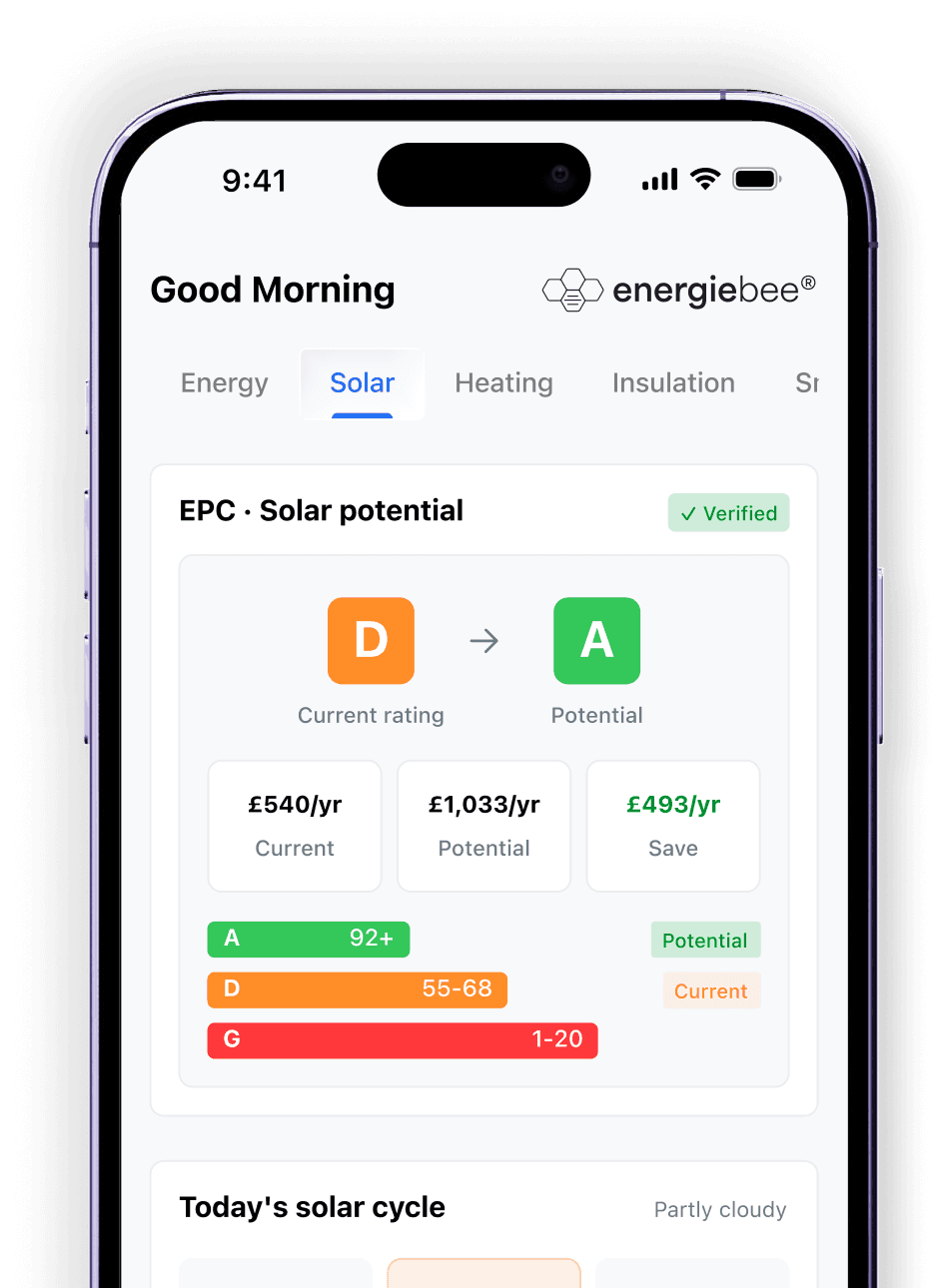
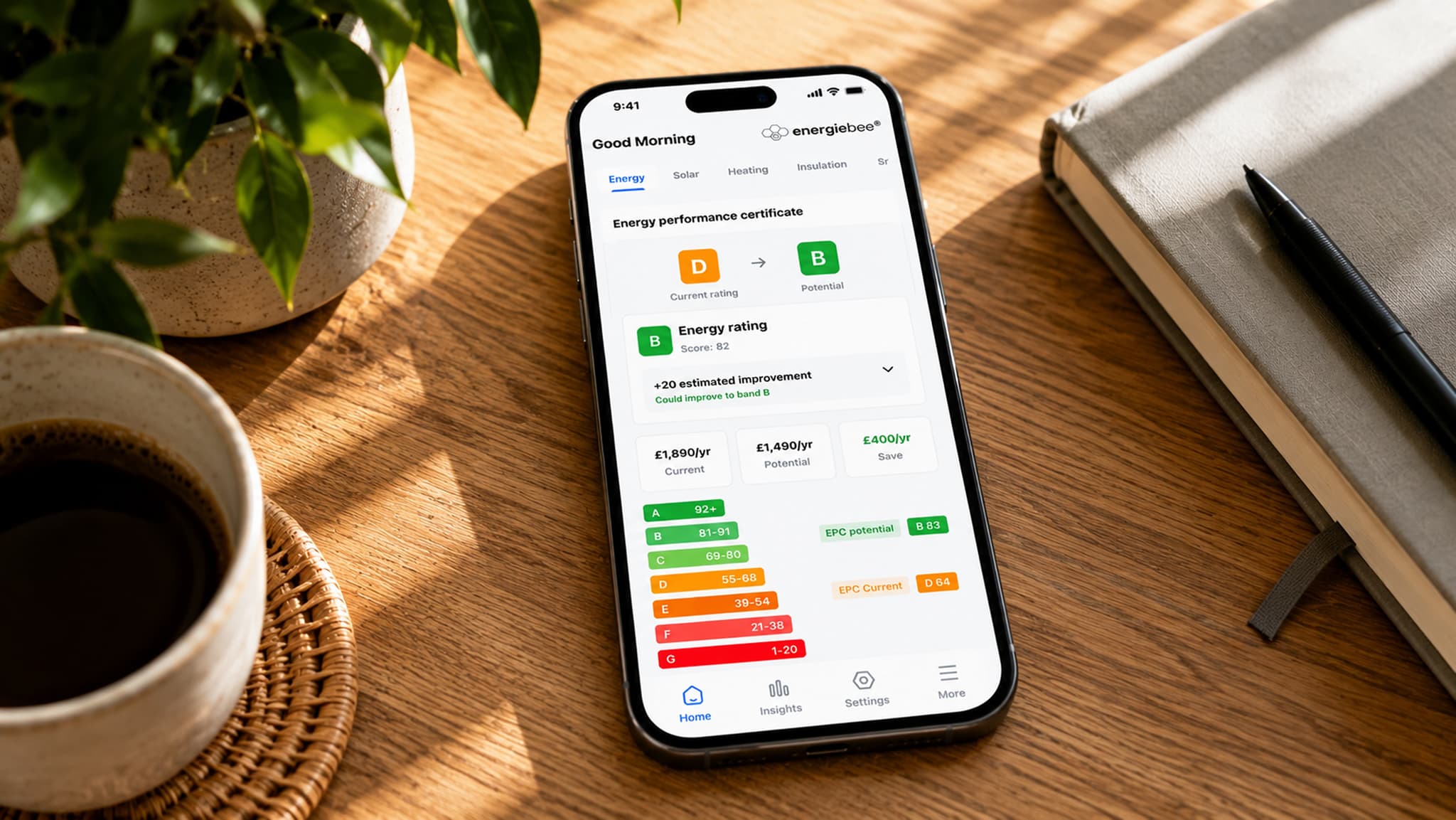
Track your property’s energy usage
EnergieBee brings your heating, solar and energy data into one dashboard, helping you understand your energy use, track improvements and make smarter upgrade decisions.