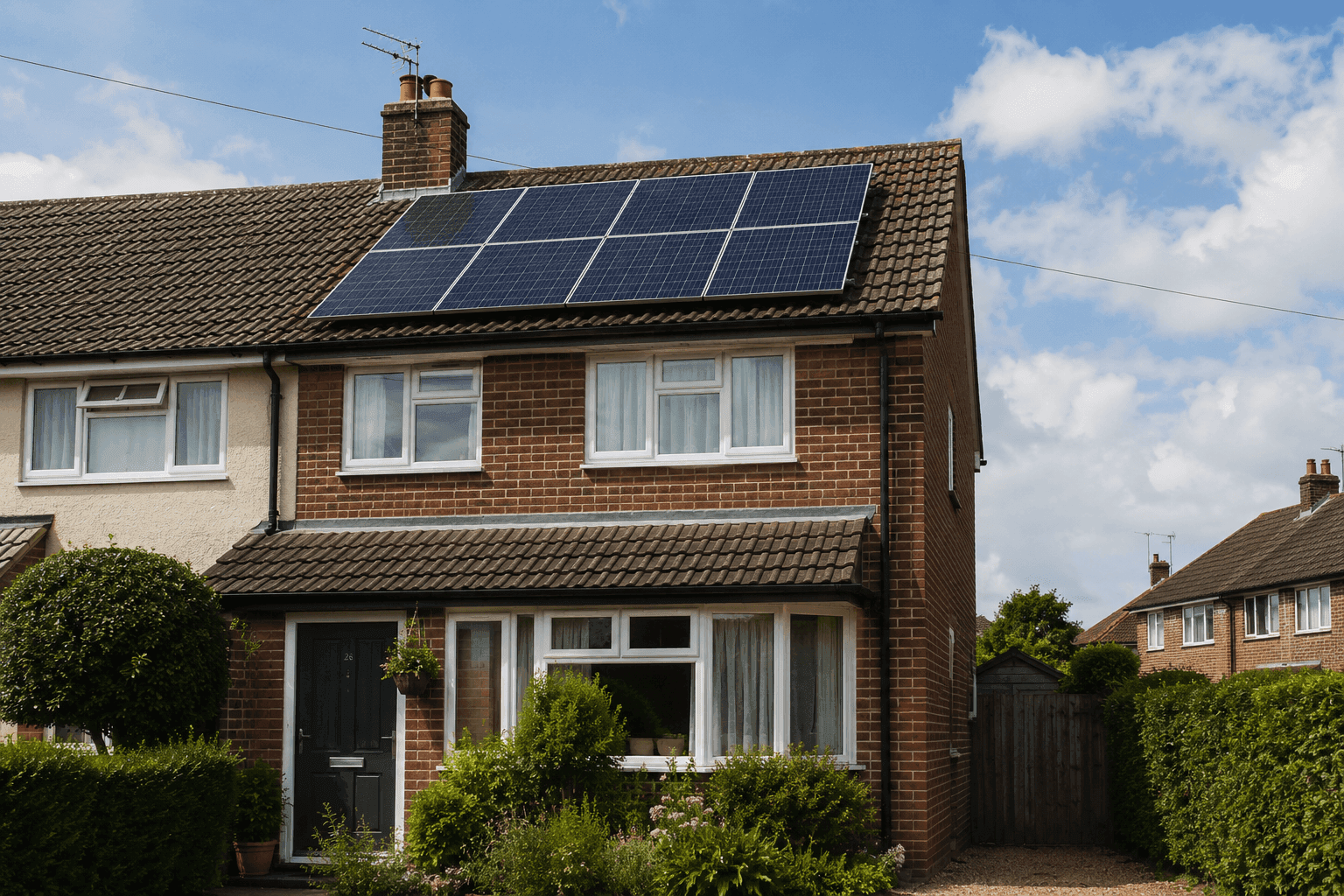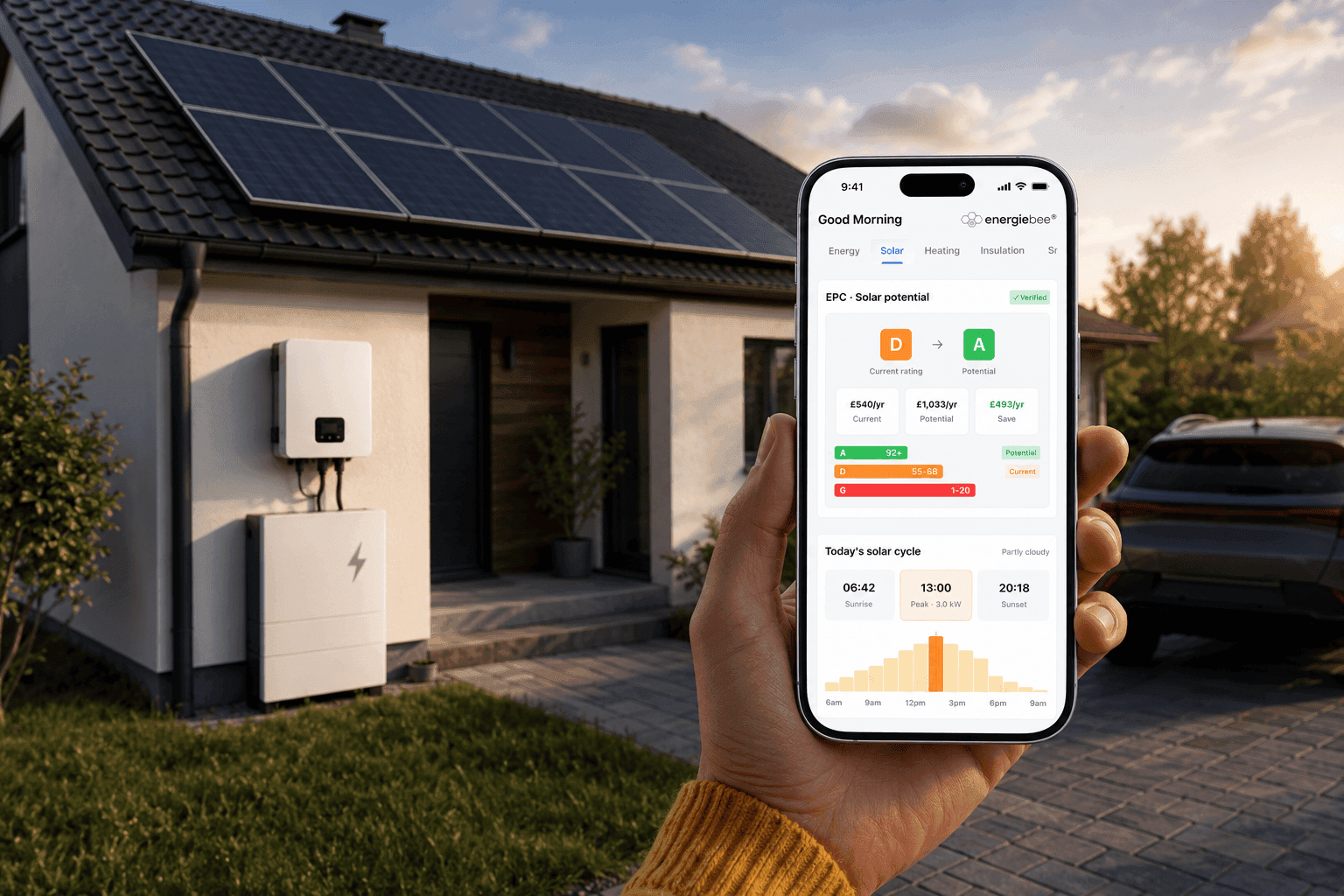
Every year, more and more homeowners are exploring solar energy as a way to reduce electricity costs and make their homes more sustainable. Solar panels allow your home to generate its own electricity using energy from the sun.
But installing solar panels is a significant decision. Understanding how solar energy works and whether it fits your home can help you determine if it's a worthwhile investment.
Learning the basics can help you make smarter choices about how your home produces and uses energy.
How It Affects Your Home
Solar panels convert sunlight into electricity that can be used in your home. This electricity can power appliances, lighting, and other household systems.
If your solar system produces more electricity than you need at a given moment, that energy may be stored in a battery or sent back to the grid, depending on your setup and energy provider.
Homes with solar panels often rely less on electricity from the grid during daylight hours, which can help reduce energy bills over time.
However, the amount of energy solar panels produce depends on several factors, including roof orientation, sunlight exposure, and system size.
How do I know if my home is suitable for solar panels?
Solar performance depends on how your home interacts with sunlight and energy.
A roof with good sun exposure, minimal shading, and enough space can support stronger output. At the same time, how your home uses electricity throughout the day plays an important role in how much of that energy can be used effectively.
Signs Solar Might Be a Good Fit
Solar panels may be worth considering if:
Your home receives good sunlight during the day
Your roof has enough space for solar panels
You plan to stay in your home for several years
You want to reduce long-term electricity costs
You are interested in lowering your home's carbon footprint
Many regions also offer financial incentives or support programs to help reduce installation costs.
What should I check before installing solar panels?
If you are considering solar energy, a few steps can help you evaluate whether it's the right choice.
Check how much sunlight your roof receives
Review your home's current electricity usage
Research available incentives or grants
Speak with a solar installer for a home assessment
Consider whether battery storage could improve efficiency
These steps can help you better understand how solar energy might work for your home.
How EnergieBee Helps
EnergieBee helps homeowners understand how energy flows through their home.
With the EnergieBee app, you can:
Monitor energy usage across different parts of the home
Identify opportunities to reduce electricity waste
Track patterns in energy consumption
Make better decisions about integrating renewable energy sources
Understanding how your home uses energy today can help you decide whether solar energy could be beneficial in the future.
Quick Tips
Solar panels produce the most electricity during daylight hours.
Homes that use more electricity during the day often benefit the most from solar energy.
Energy monitoring can help you understand how solar might fit your home's energy patterns.

 David Price
 Danie Latorre