Installing rooftop solar panels involves more than placing panels on your roof. A successful system depends on choosing the right setup, checking your roof suitability, understanding costs and making sure the installation is completed correctly.
Before installing solar, it is important to understand how a solar panel system works and how your home’s energy use affects the system size. This guide covers the main things UK homeowners should know before, during and after a rooftop solar installation.
Is Your Roof Suitable for Solar Panels?
Your roof plays an important role in how well your solar panels will perform. A suitable roof can help maximise energy generation and improve the value of your investment.
Before installation, check:
Roof direction: South-facing roofs usually receive more sunlight, but east and west-facing roofs can also work well.
Roof condition: Older or damaged roofs may need repairs before panels are installed.
Shading: Trees, buildings or other obstacles can reduce solar generation.
Available space: Your roof size affects how many panels can be installed.
A professional installer should assess your roof before recommending a system. They should also consider your electricity usage, not only the available roof space.
What Happens During a Rooftop Solar Installation?
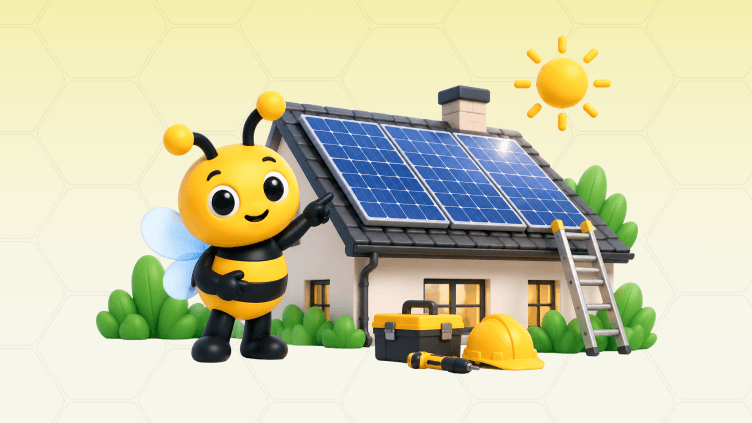
A typical rooftop solar installation follows several key stages:
Home assessment: The installer checks your roof, energy use and system requirements.
System design: Panels, inverter and battery options are selected based on your needs.
Installation: Mounting equipment, panels and electrical connections are fitted.
Testing and setup: The system is checked and connected for monitoring.
Handover: You receive certificates, warranties and system information.
Choosing a reliable installer is important during this process. You can learn more about how to choose a solar panel installer before requesting quotes.
How Many Solar Panels Do You Need for a Rooftop Installation?
The number of panels you need depends on your electricity usage, roof space and energy goals. A larger system is not always better if your home cannot use the generated energy effectively.
Factors that affect your system size include:
Your annual electricity consumption
Roof size and available sunlight
Future plans such as adding a battery or electric vehicle
Your budget and expected savings
Before comparing systems, understanding your energy needs can help you make a better decision. You can explore how many solar panels you need to understand the factors involved.
Rooftop Solar Panels With Battery Storage
A solar battery can store excess electricity generated during the day and allow you to use it later when solar production is lower.
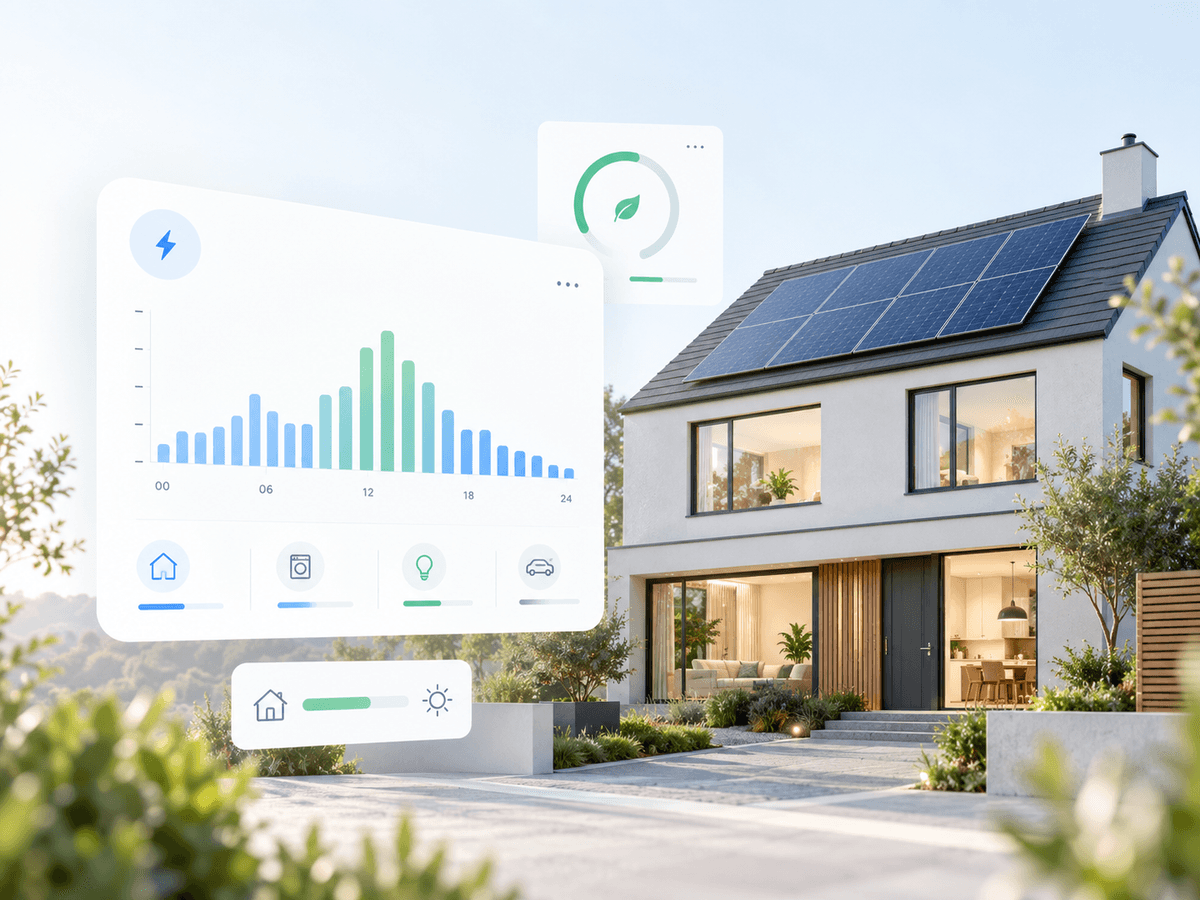
A battery may help you:
Use more of your own solar energy
Reduce reliance on electricity from the grid
Better manage energy during peak times
However, a battery is not always necessary for every home. The right choice depends on your energy usage, solar generation and future plans.
How Much Does Rooftop Solar Panel Installation Cost?
The cost of rooftop solar installation depends on several factors, including system size, equipment choice, roof complexity and whether you add battery storage.
Costs are affected by:
Number of solar panels
Inverter type
Battery storage
Installation requirements
Scaffolding and electrical work
Instead of comparing only the lowest price, check what is included in the quote, such as equipment warranties, installation quality and aftercare support.
What Paperwork Do You Receive After Installation?
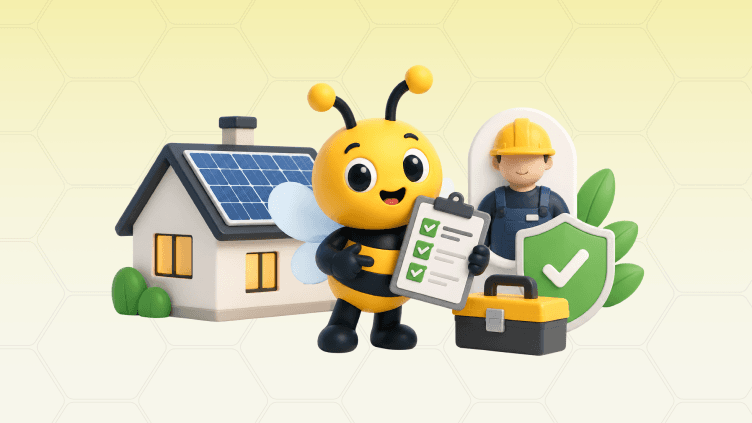
After rooftop solar installation, you should receive important documents that confirm the system has been installed correctly.
These may include:
MCS certificate
DNO notification
Electrical certificates
Equipment warranties
System manuals and information
Keep these documents safely as they may be needed for maintenance, warranty claims or future property sales.
Common Rooftop Solar Installation Mistakes to Avoid
Avoiding common mistakes can help you get better long-term results from your solar system.
Watch out for:
Choosing a system without checking your energy use: A system should match your household needs.
Ignoring roof condition: Repairs may be needed before installation.
Focusing only on price: The cheapest option may not provide the best value.
Skipping warranty checks: Understand what is covered before signing.
Not checking installer credentials: Always review experience, certification and reputation.
Taking time to compare your options can help you avoid expensive problems later.
Monitor Your Solar Performance After Installation
Tracking your solar performance helps you understand whether your system is working as expected. Comparing energy generation with your actual household usage can highlight opportunities to use more of your own solar energy.
Tools like EnergieBee can help you understand your energy behaviour and track how your home uses electricity. You can also explore the EnergieBee app to manage your energy insights.
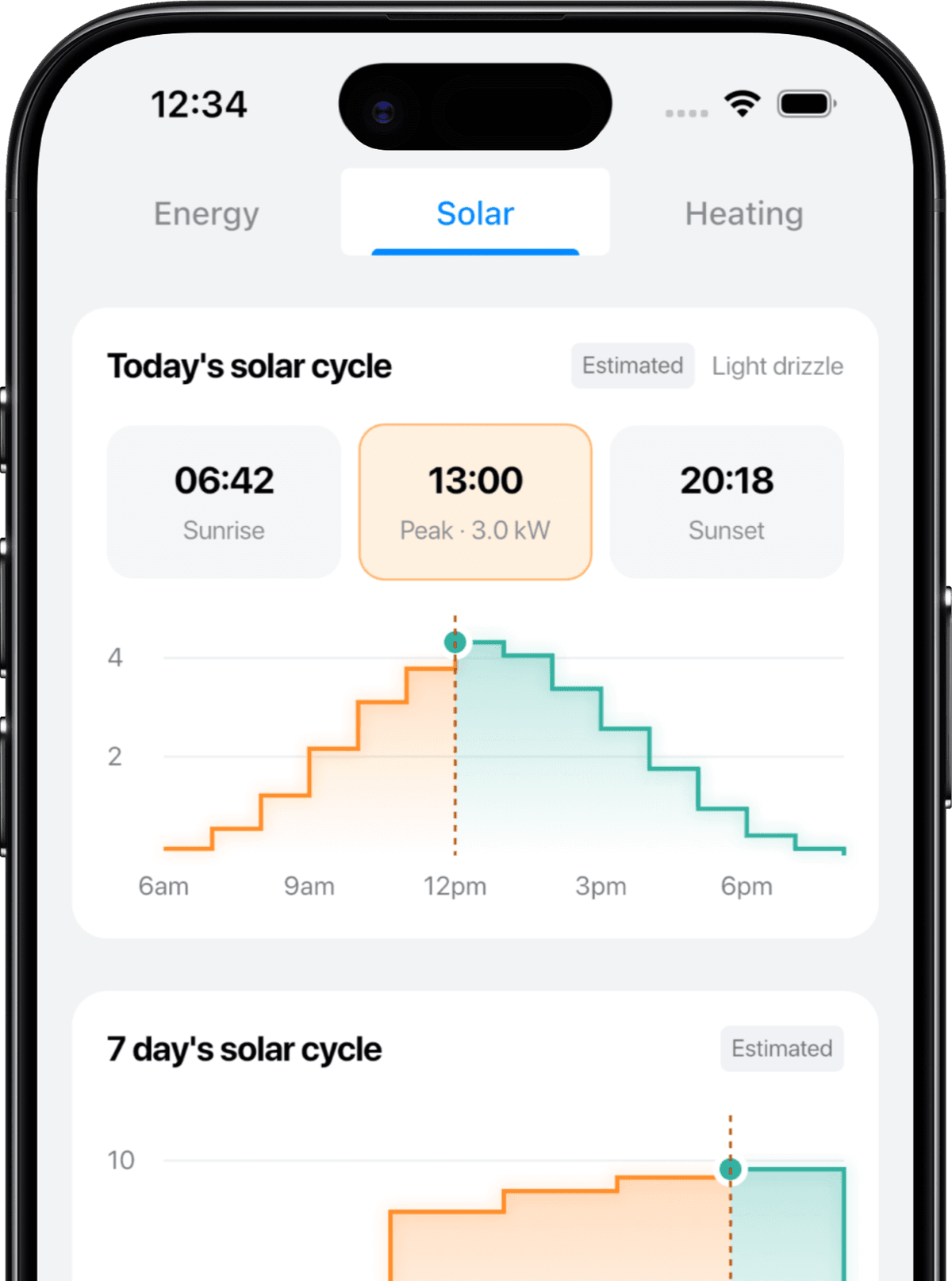
Understand Your Solar Energy Use
Track your energy habits with EnergieBee before and after solar installation.
Frequently Asked Questions
How long does rooftop solar panel installation take?
Most residential installations can usually be completed within a few days, depending on the system size, roof condition and installation requirements.
Do I need planning permission for rooftop solar panels?
Most rooftop solar installations do not require planning permission, but certain properties and locations may have additional requirements.
Can solar panels be installed on any roof?
Not every roof is suitable. Roof direction, condition, shading and available space all affect whether solar panels are a good option.
Are rooftop solar panels worth installing?
Rooftop solar can help reduce reliance on grid electricity and generate renewable energy, but the benefits depend on your home, energy use and system design.
Do I need a battery with rooftop solar panels?
A battery is optional. Whether it is worthwhile depends on your electricity usage, solar generation and how much energy you want to store.
How often do rooftop solar panels need maintenance?
Solar panels usually require little maintenance, but regular monitoring and occasional checks can help maintain performance.