Today's a special day for us at EnergieBee, and we're properly celebrating 🥳
Every third Saturday of August, which lands on 15 August in 2026, many countries mark Honey Bee Day, dedicated to Apis mellifera.
It's a separate occasion from World Bee Day on 20 May, set up by the UN to cover all pollinators, while this August date zooms in specifically on the honey bee and the beekeepers who look after it.
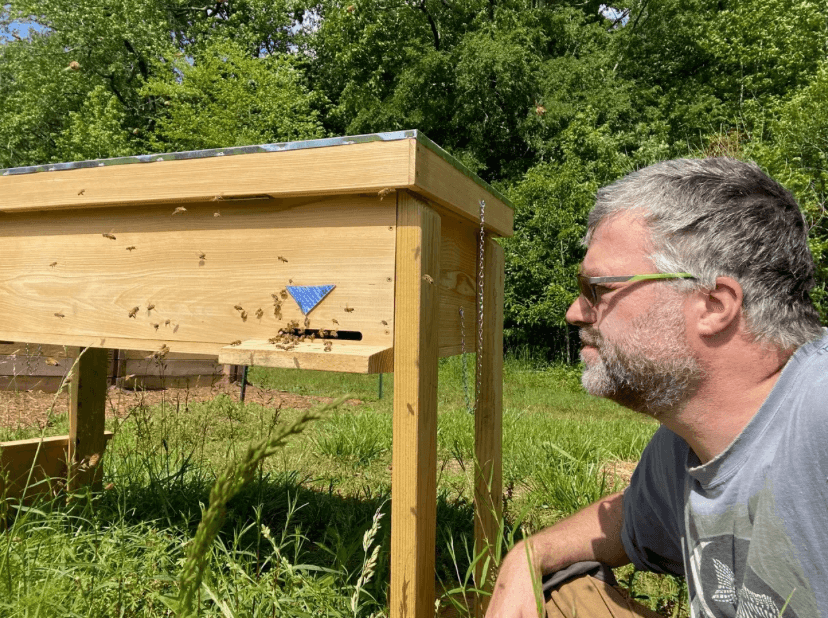
Unlike many wild pollinators, a large share of the honey bee population depends directly on beekeepers for its survival and wellbeing.
What the day marks
The idea dates back to 2009, when beekeeper Sue Cobey proposed to the US Department of Agriculture that honey bees deserved their own dedicated day. The proposal took hold, and the celebration now happens in various countries, usually with beekeeping workshops, public talks and educational events.
It's an annual nudge that one small, highly organised species underpins a huge share of the food we eat.
Why it matters
Honey bees are exceptionally efficient pollinators. A single bee can visit thousands of flowers a day and carry back nearly double its own body weight in pollen on each trip. Multiply that by the tens of thousands of bees in a colony, and you get the pollination behind much of the fruit, vegetables and seed crops we rely on.
The hive itself is also a remarkable feat of resource management: internal temperature kept steady, labour divided between the queen, workers and drones, and honey production that takes serious collective effort. It takes around four million flower visits to produce a single kilogram of honey. Few natural systems handle their resources with that kind of precision.
Why this species gets its own day
There are over 20,000 bee species worldwide, but honey bees face particular pressures: habitat loss, heavy pesticide use, climate change and diseases that can wipe out entire colonies.
Unlike many wild pollinators, a large share of the honey bee population depends directly on beekeepers for its survival and wellbeing.
Giving them a dedicated day puts a spotlight on both the ecological role they play and the increasingly important work of the people who keep them. It's a way of saying this particular species needs attention, and so do the people protecting it.
The main types of bees
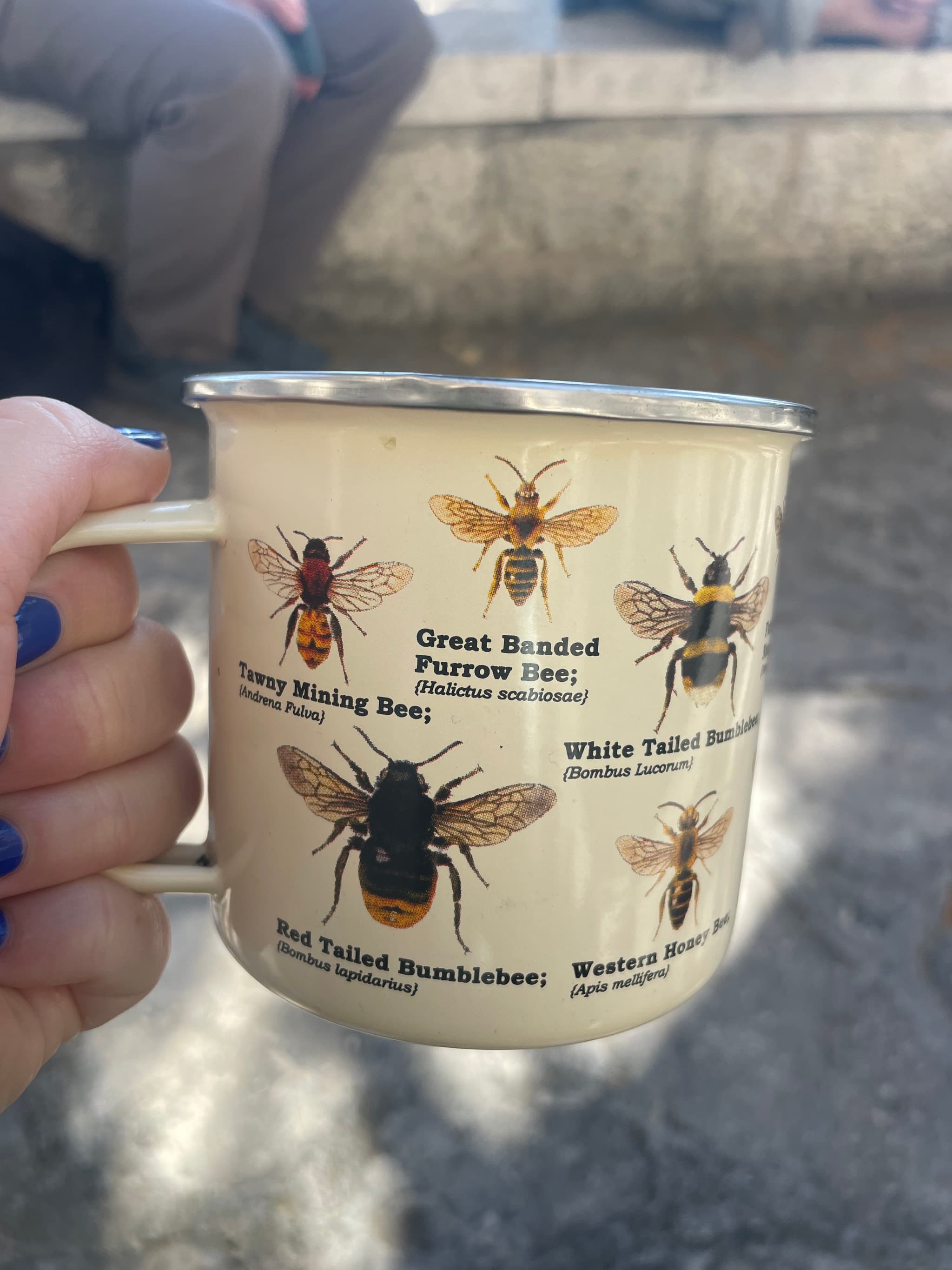
Honey bees (Apis mellifera): live in large, permanent colonies inside a hive and produce honey at scale.
Bumblebees (Bombus spp.): also colonial, but in smaller, seasonal groups; they produce a little honey, though nowhere near as much.
Solitary bees: build and defend their own nests without forming colonies, and account for a large share of wild pollination.
Stingless bees (tribe Meliponini): common across tropical Latin America, they defend themselves by biting rather than stinging, and their honey is highly valued both culturally and commercially.
But there's even more!!!
Take a closer look:
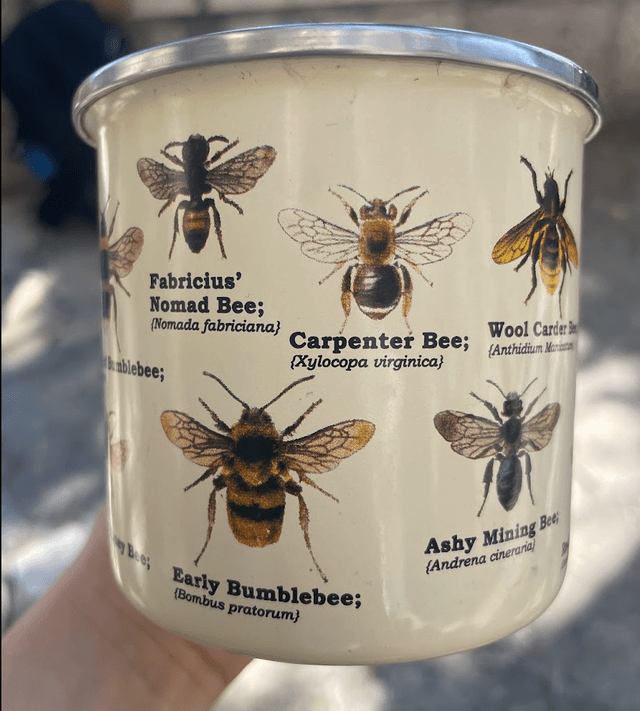
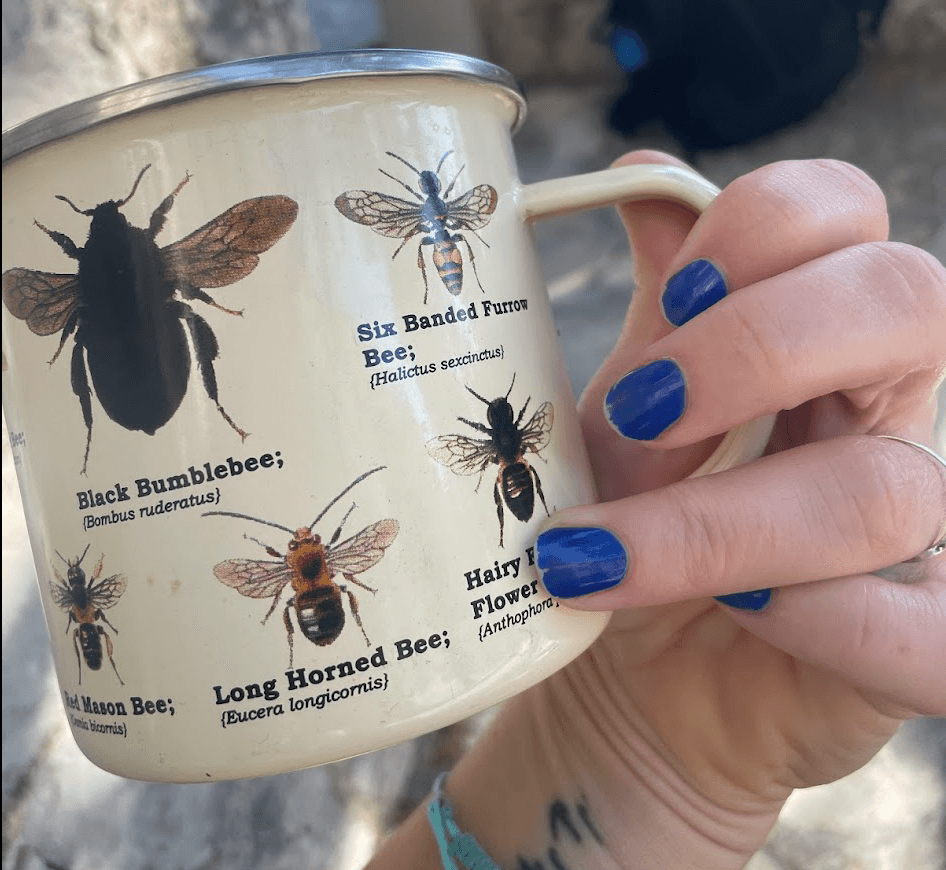
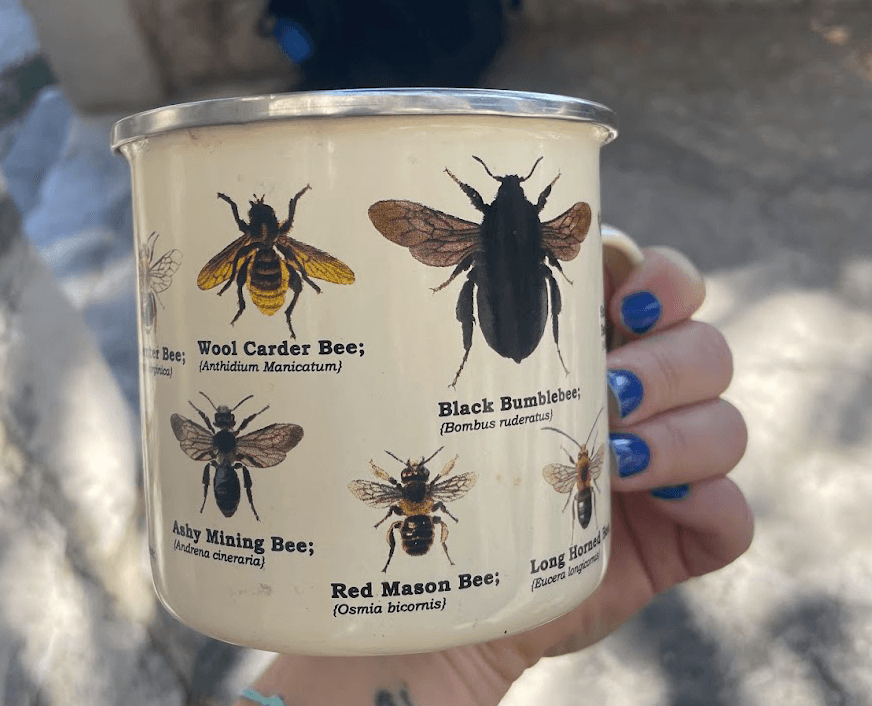
What makes the honey bee stand out
Apis mellifera organises at a scale few other insects manage. A colony can grow from around 15,000 individuals in spring to 80,000 during summer, all coordinated through chemical signals and the well-known waggle dance that tells other bees where the best flowers are. It functions as a distributed system, constantly optimising who forages where and how much they bring back, based on real-time conditions.
Seen through an energy lens, a hive is a resource management system refined over millions of years: gathering, converting, storing and distributing what it needs with an efficiency most human systems would struggle to match.
How to mark the day
15 August is a good excuse to move from appreciation to a few small, practical actions:
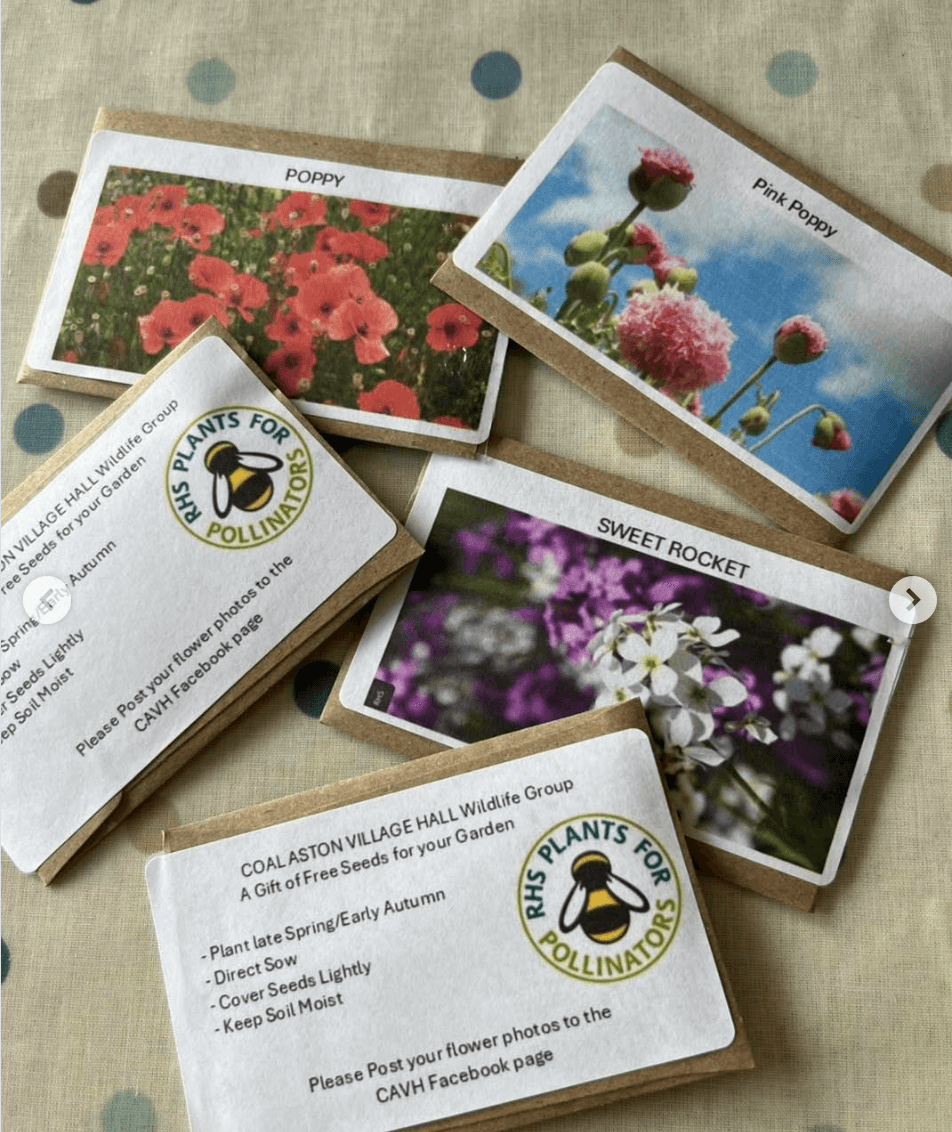
Plant something bee-friendly on a balcony or in a garden — lavender, rosemary, thyme or native wildflowers all work well.
Cut back on pesticides in your own outdoor spaces, particularly during flowering periods.
Buy honey and hive products from local beekeepers, which supports the people directly caring for colonies.
Leave out shallow water with a few pebbles in it, so bees can drink safely without the risk of drowning.
Share accurate information about the difference between honey bees, bumblebees and solitary bees, so conversations about their protection stay well informed.
Happy Honey Bee Day!!!!!
And if the idea of an efficient system that adapts to its surroundings appeals to you, that's exactly the principle behind what we do here: understanding patterns, making the most of the resources on hand, such as sunlight, and acting on clear data at the right moment. We like to think there's a bit of hive logic in there too.
Happy Honey Bee Day from all of us at EnergieBee. Here's to a few small habits, ours and theirs, adding up to something more balanced.

 David Price