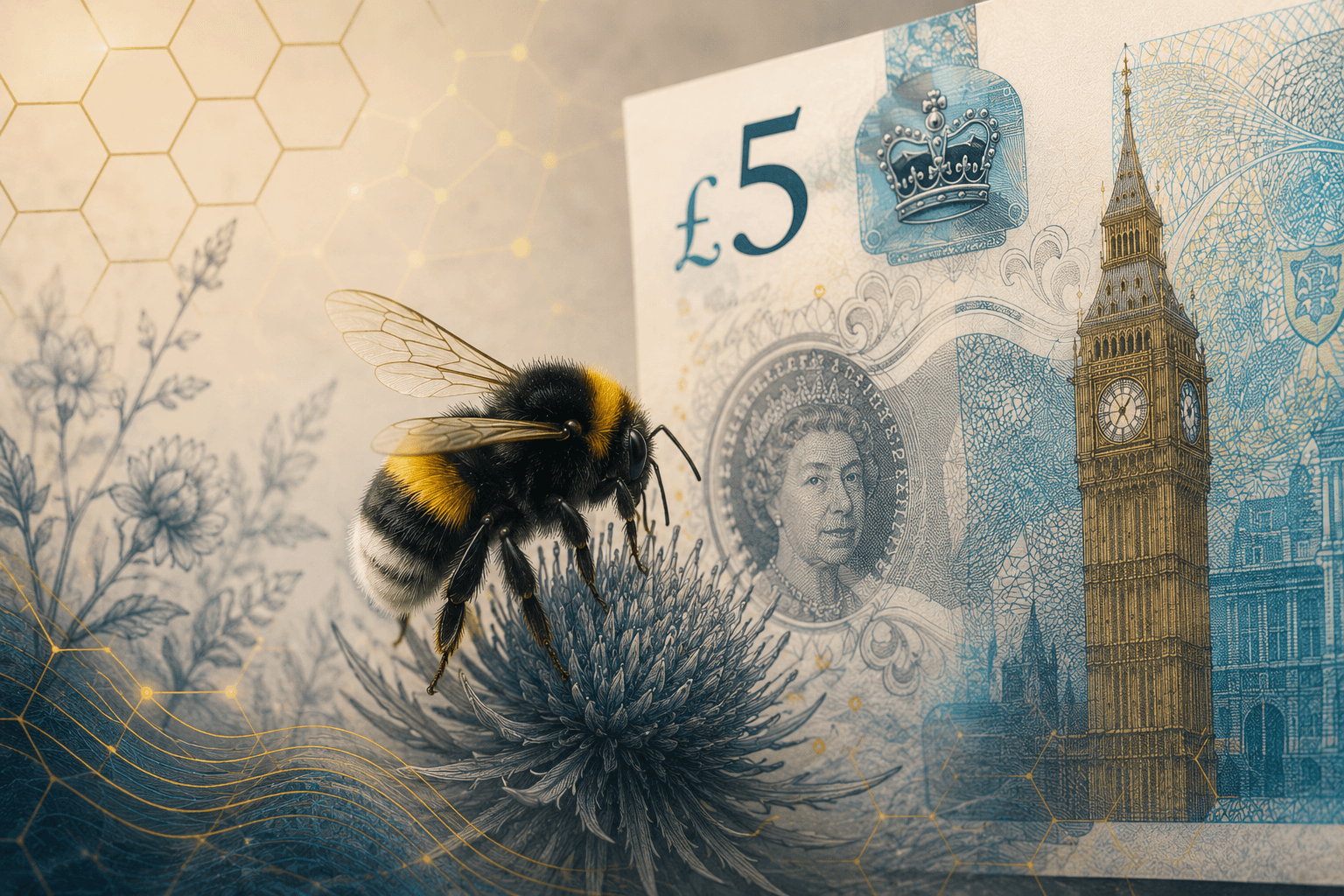
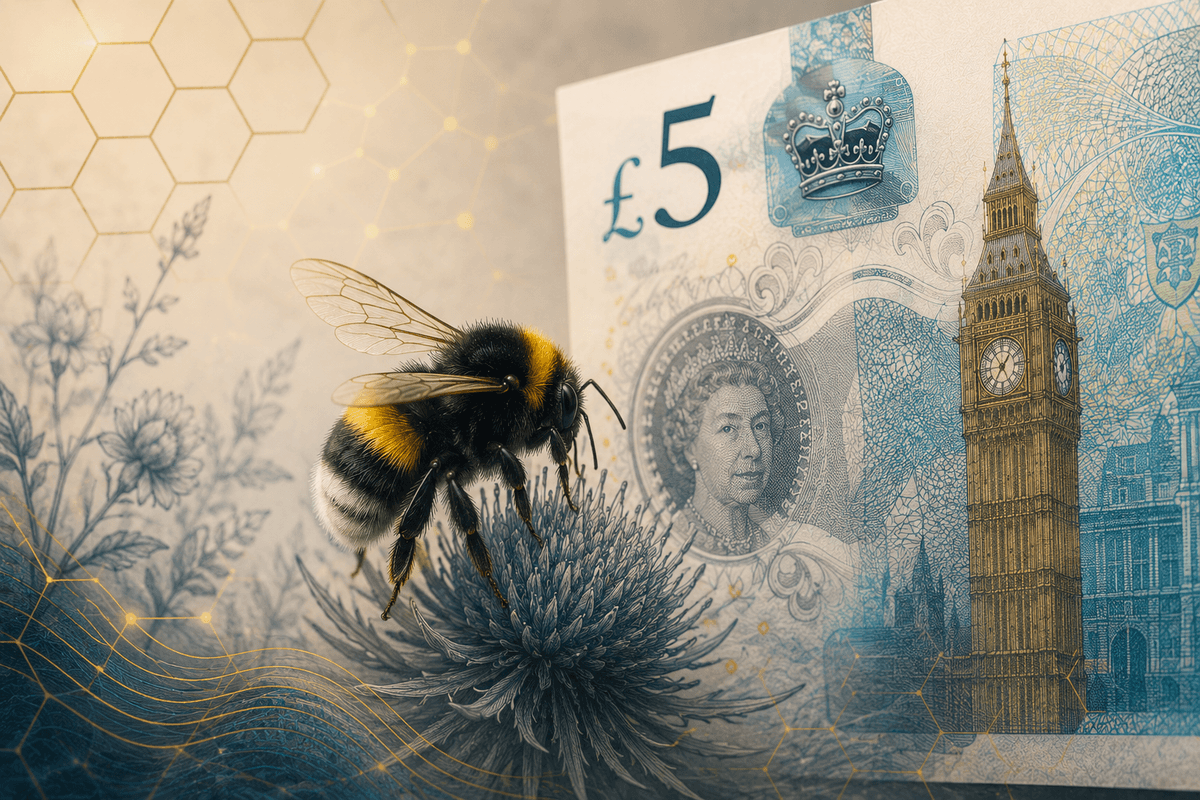
Britain is choosing which species will appear on the next generation of banknotes.
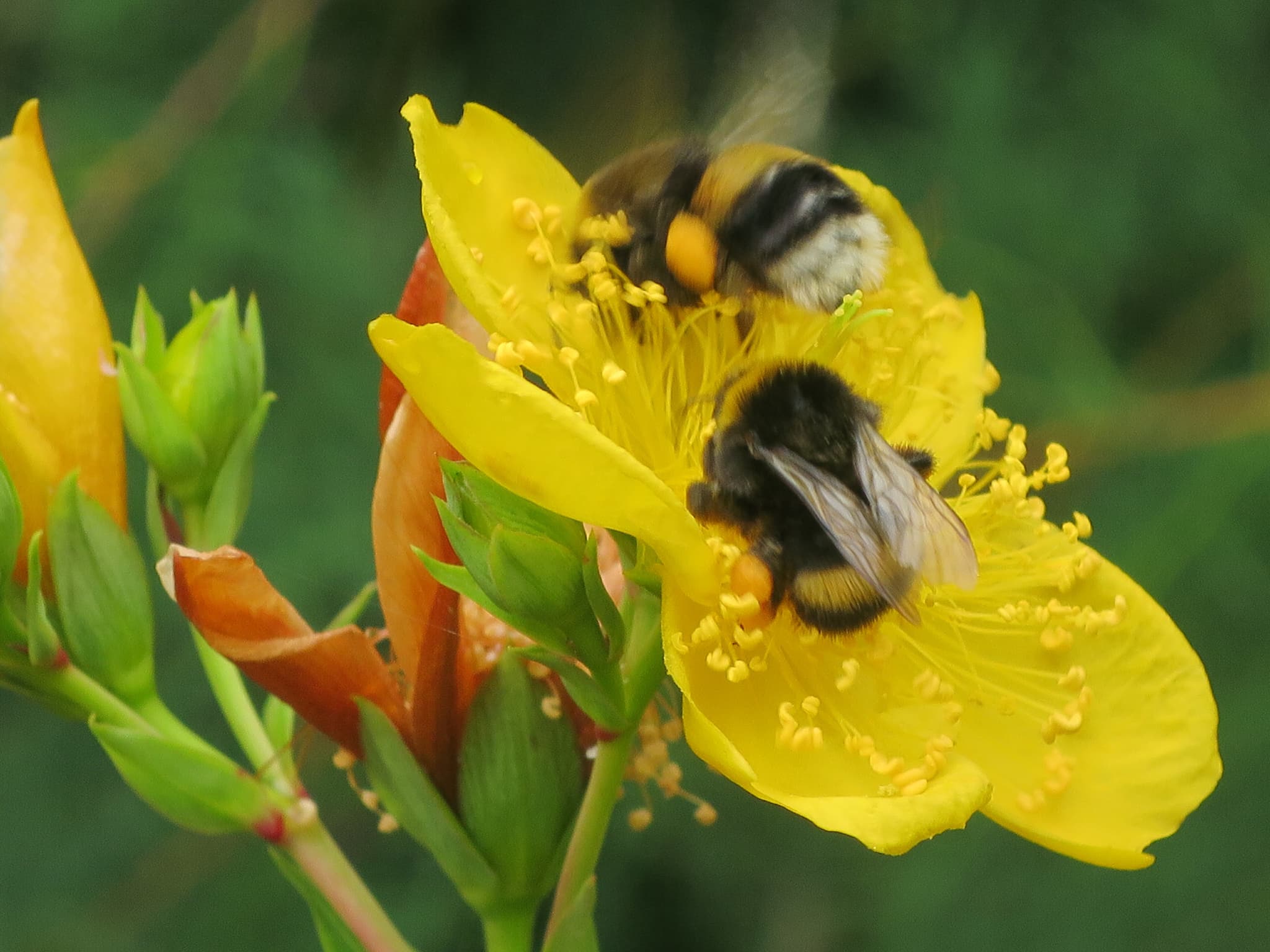
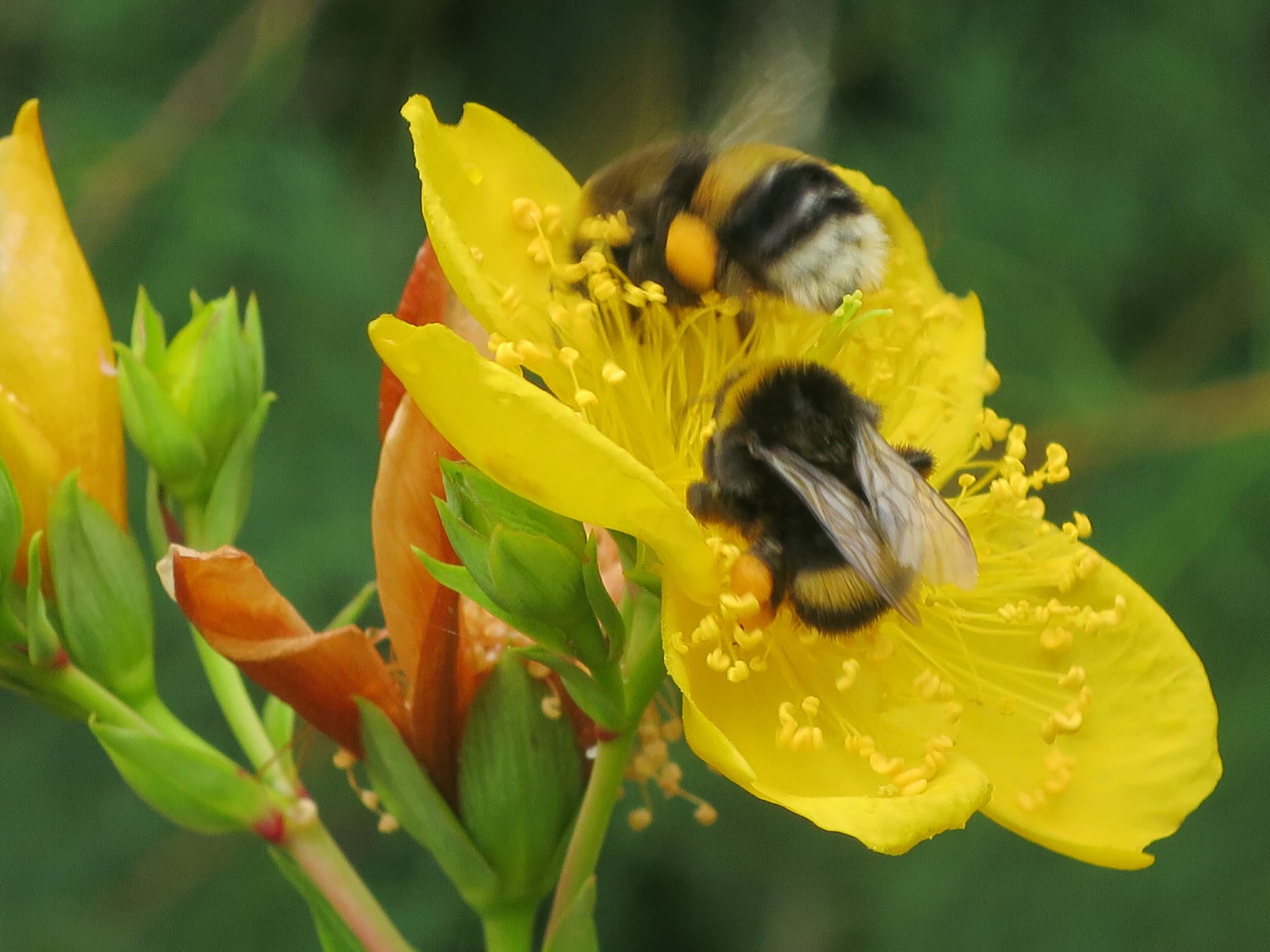
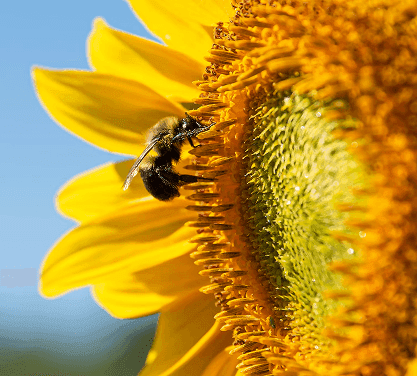
Among the shortlisted candidates is the buff-tailed bumblebee, a species that carries a unique connection to both Britain's natural environment and its industrial heritage.
For many people across Manchester and Northern England, the bee represents hard work, innovation and community spirit. It has been part of the city's identity for more than a century, symbolising the collective effort that helped shape one of the world's most influential industrial centres.
Today, that symbol continues to resonate.
The bee reflects values that remain deeply embedded in British culture: resilience, ingenuity and collaboration. These qualities helped build industries, power communities and inspire generations of innovators.
The buff-tailed bumblebee also reminds us of the importance of the natural world. Pollinators support biodiversity, agriculture and healthy ecosystems. Their contribution reaches far beyond the landscapes where they live.
Few symbols connect so many parts of Britain's story.
The bee speaks to the country's environmental future while honouring its industrial past. It reflects local pride while carrying national significance. It represents both heritage and progress.
At EnergieBee, the bee has always been central to our identity. We admire the intelligence, adaptability and efficiency that bees demonstrate every day. Those same principles inspire our mission to help households make smarter energy decisions.
The public vote closes on 3 July.
If the worker bee has earned a place in Britain's story, perhaps it has earned a place on the £5 note too.
#BackTheBee
#BeeOnTheFiver

 Danie Latorre