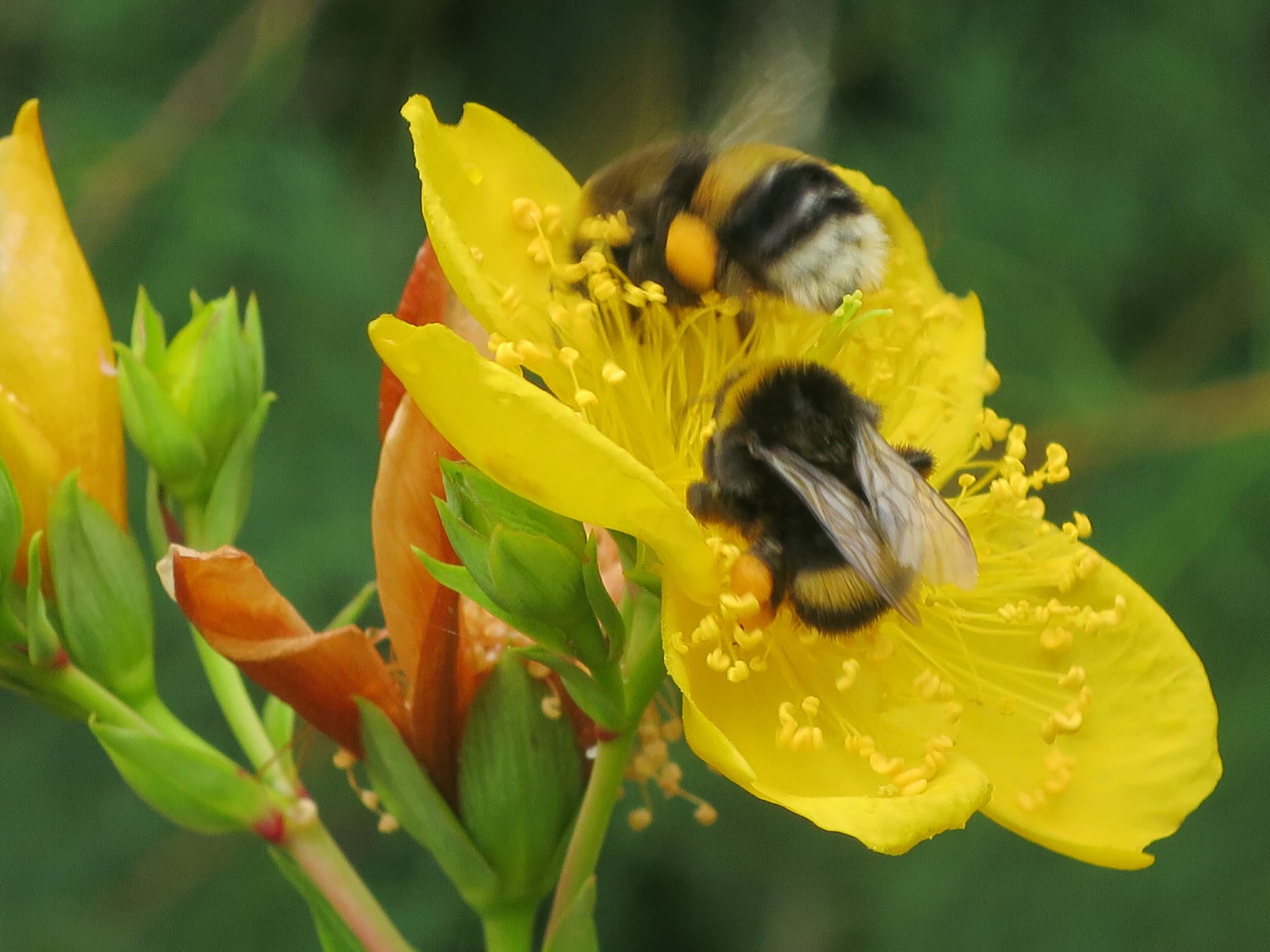
The 21st century is witnessing one of the most profound transformations in the history of jurisprudence: the transition from an anthropocentric legal framework to a biocentric one. Historically, Western legal systems have categorised nature and non-human animals merely as "property" or "resources" at the service of humanity. However, a landmark resolution in the Peruvian Amazon has radically shattered this paradigm.
For the first time in global legal history, native stingless bees (tribe Meliponini) have been formally recognized as "subjects of rights".
At EnergieBee, as an organization deeply committed to sustainability, science, and preserving our planet's biological engines, we analyze the legal, ecological, and scientific implications of this milestone—and why it redefines the future of global environmental conservation.
The Roots of the Milestone: From Indigenous Leadership to Global Science
The legal recognition of bees did not originate in a metropolitan courtroom; it grew from the roots of the Peruvian rainforest. This regulatory framework was established through a multi-tiered strategy that merged local governance with international scientific backing:
The National Foundation (Early 2025): The Congress of Peru enacted National Law No. 32235, declaring native stingless bees a species of "national interest" and their associated flora a "national treasure." While a significant step forward, this law still treated bees as a "resource to be protected" rather than individuals with intrinsic rights.
The Municipal Revolution (Late 2025): The provincial municipalities of Satipo (within the Avireri Vraem Biosphere Reserve) and Nauta (in the Loreto region) used the National Law as a springboard. They issued Municipal Ordinances No. 33 and No. 17, respectively, making the qualitative leap: granting the bees independent legal personality.
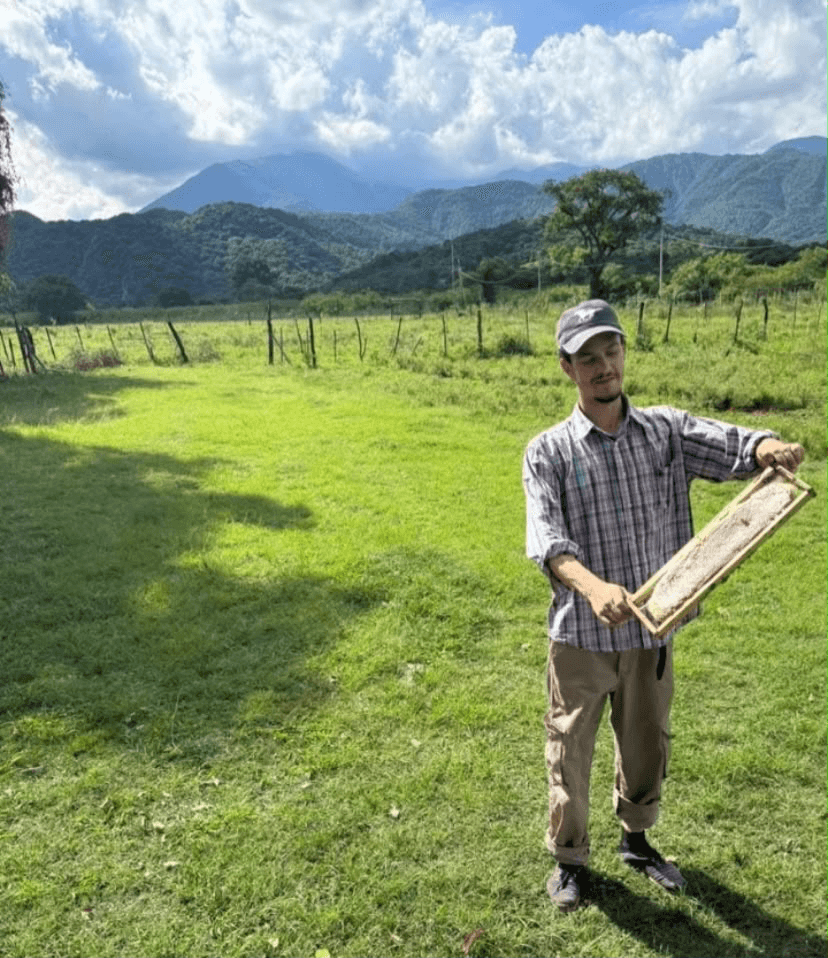
This historic achievement was forged by a unique transdisciplinary coalition: the ancestral knowledge of the Asháninka and Kukama-Kukamiria Indigenous peoples, the technical expertise of Amazon Research International, and the legal architecture of the global NGO Earth Law Center.
The Legal Framework: What Does It Mean for an Insect to Have Rights?
Granting rights to a species is far from a symbolic or poetic gesture; it carries binding legal consequences. The approved ordinances guarantee melipona bees three fundamental, inalienable rights:
A. The Right to Exist and to Evolutionary Regeneration
This principle establishes that bee populations have an intrinsic right to exist, reproduce, and continue their evolutionary processes without destructive human interference. This framework outlaws the eradication of wild hives and strictly regulates the introduction of invasive, non-native species that could outcompete them.
B. The Right to a Pollution-Free Habitat
Local laws now legally obligate state authorities and private corporations to maintain the ecological integrity of the bees' ecosystems. This opens the door to immediate bans on neurotoxic pesticides (such as neonicotinoides) and halts deforestation projects that fragment critical pollinator corridors.
C. The Right to Legal Representation and Guardianship (Standing)
This is the most revolutionary component. Because bees cannot physically appear in a court of law, the ordinance grants active legal standing to designated Indigenous communities, scientists, and environmental guardians. If a corporate or private actor violates the bees' rights, these guardians can file lawsuits, demand the immediate cessation of harmful activities, and seek financial damages to be used exclusively for ecosystem restoration.
Global Scientific Impact: The Voice of Academic Authorities
The repercussions of these ordinances quickly reached the world's most rigorous academic circles. The prestigious scientific journal Nature dedicated analytical coverage to this case, labeling it a turning point for "Earth Jurisprudence."
Ecologists emphasize that this legal approach aligns perfectly with modern science. Historically, Western environmental laws have focused almost exclusively on the European honeybee (Apis mellifera) due to its commercial value in industrial apiculture. However, Amazonian native stingless bees perform an irreplaceable ecological role: they are responsible for pollinating up to 90% of the canopy trees in the Amazon rainforest. Without them, the world's largest tropical forest would lose its capacity to regenerate, accelerating global climate collapse.
The EnergieBee Perspective: Setting a New Global Standard
At EnergieBee, we understand that true innovation and corporate leadership cannot exist outside the ecological boundaries of our planet. The energy that moves the world flows from the intricate, perfect biological balance that pollinators sustain every single day.
The case of Satipo and Nauta in Peru is a surprise. A localised anomaly. And yet, it sets an architectural blueprint for the future of environmental policy. Expanding the Rights of Nature to insects is an urgent necessity in a world facing a silent crisis of pollinator decline.
As an organization, we stand firmly behind the dissemination of these scientific and legal milestones. We believe that the companies of tomorrow must be the primary guardians of our ecosystems. Recognizing the rights of bees is, ultimately, an act of survival and respect for the biodiversity that makes all life on Earth possible.