If you ever spend a quiet afternoon watching a beehive, it is easy to fall in love with their world.
Anyone can (and should!) notice their profound dedication, a sense of shared purpose that feels almost poetic, even if when the buzz around the hive can seem chaotic at times.
Not all days are chaotic and busy, though. And, certainly, not all seasons.
A bee born in the height of July and a bee born in the chill of October are, genetically, identical sisters. Yet, they live entirely different lives. The hive possesses an extraordinary ability to reshape the biology of its children, adapting perfectly to the change of seasons to ensure that no energy is ever wasted and every resource is cherished.
The Summer Sisters: A Life of Bright Devotion
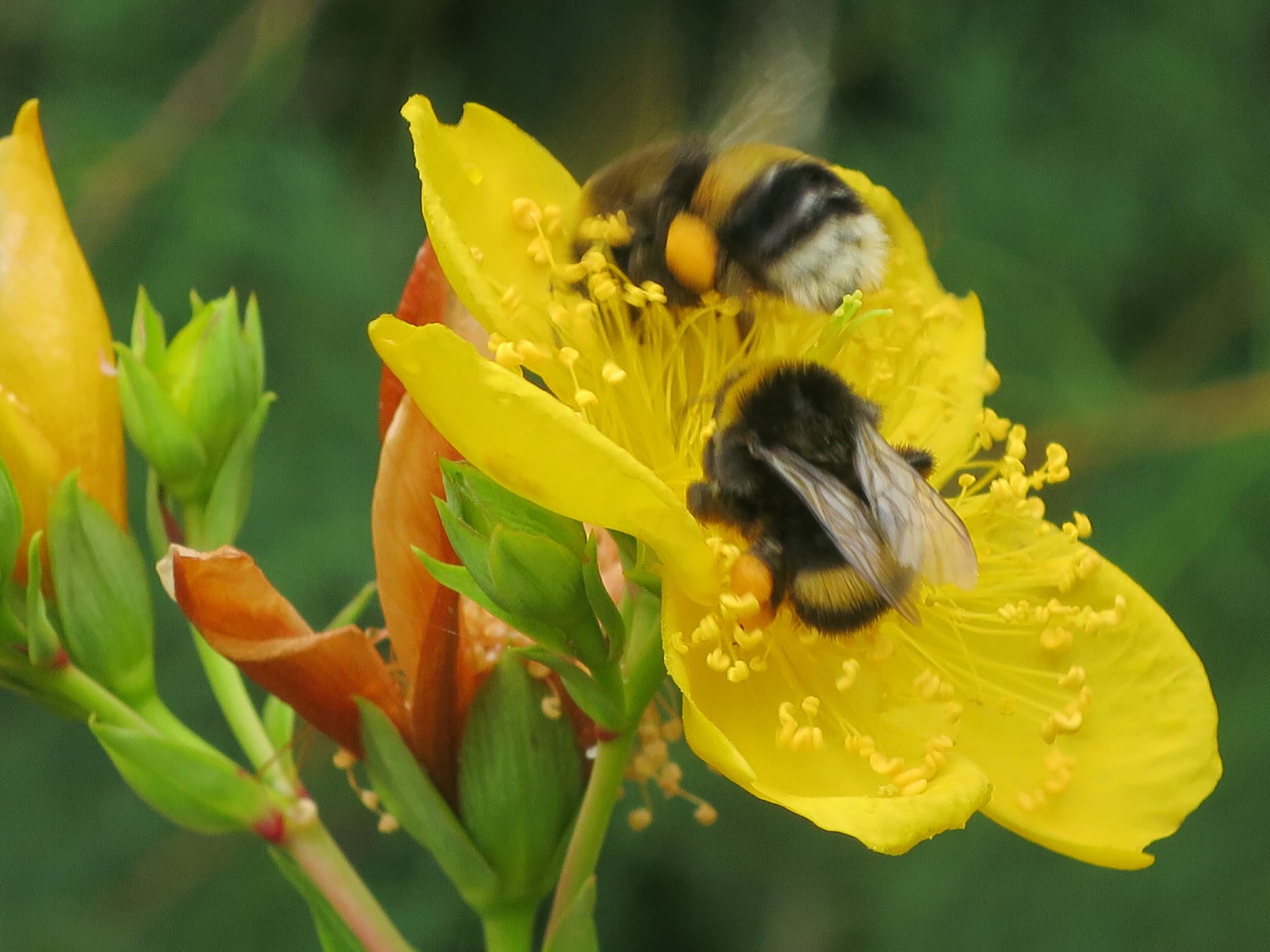
When summer arrives and the fields are awash with wildflowers, the hive is brimming with life and golden light. The babies born during these warm months are the heartbeat of the colony’s immediate survival.
A Brief, Beautiful Life: Their time with us is short, lasting just four to six weeks.
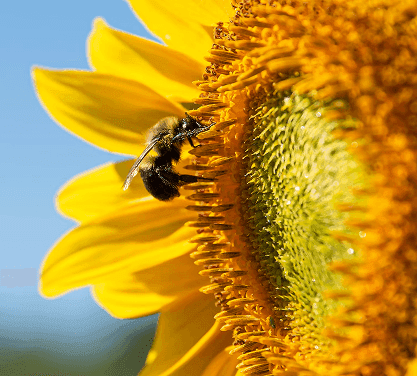
A Heart Full of Duty: Their days are spent in a whirlwind of activity. They fly for miles under the sun to collect nectar, nurse the tiny new larvae, and gently fan their wings to keep the nursery cool during hot afternoons.
The Cost of Love: These summer bees live with an intensity that literally wears them out. They give absolutely everything they have to the hive, working with an unselfish devotion until their wings can no longer carry them. Their mission is to gather the resources that will sustain the family long after they are gone.
The Winter Guardians: The Keepers of the Flame
As autumn settles in, the flowers fade, and the air turns crisp, the hive undergoes a beautiful transformation. The colony stops looking outward and begins to look inward. This is when the "winter bees" are born. They are engineered not for a sprint, but for a long, patient marathon.
A Long, Quiet Journey: Unlike their summer sisters, these bees will live for five to seven months, guiding the colony safely through the darkest days of the year.
The Gift of Preservation: Nature prepares them beautifully for this long sleep. Their bodies develop a rich, protective layer known as "fat bodies", which are filled with vitellogenin—a wonderful protein that strengthens their immune systems and slows down their aging process.
The Art of Contentment: The winter guardians do not waste a single watt of energy. They do not fly out into the cold, nor do they rear young when resources are scarce. They stay safely inside, quietly relying on the honey stored by their summer sisters, using only what is already there.
The Winter Cluster: A Masterclass in Shared Warmth
When the frost bites, these winter bees perform their most beautiful act of cooperation. They gather tightly together around their Queen, forming a living, breathing sphere known as the winter cluster.
To keep the heart of the hive warm, they do something remarkable: they uncouple their wings and gently vibrate their flight muscles. But they do not try to heat the entire, empty hive: doing so would be a tragic waste of precious energy. Instead, they focus entirely on heating their close-knit family.
By sharing a little honey and working in perfect harmony, they create a sanctuary of warmth. Even when the British weather outside is freezing, the core of the cluster remains a cosy, safe 20–30°C. It is an act of pure, collective care.
Learning from the Hive
At EnergieBee, our hearts are always inspired by these tiny creatures. By observing them closely, we can learn how true efficiency can be reached by living as gentle as possible. Adjusting, adapting, staying mindful and in harmony with the world around us.
The bees show us the beauty of balance: learning from nature to live more wisely, and protecting the beautiful energy that connects us all.