At the beginning of the 20th century, Rudolf Steiner spent long periods observing bees.
He was a philosopher, an educator, and an unusually attentive observer of everyday life. People who met him often remarked on his ability to speak for hours about plants, architecture, education, or farming, always guided by the same question:
how does life organise itself?
What actually keeps a system stable over time?
Steiner believed that understanding living systems required attention, rhythm, and respect for growth. This way of thinking later shaped what became known as Waldorf education, an approach that values observation, creativity, and learning through experience rather than instruction alone.
Children, like living systems, need support. Space, ambiance, and environmental conditions are key for a healthy development.
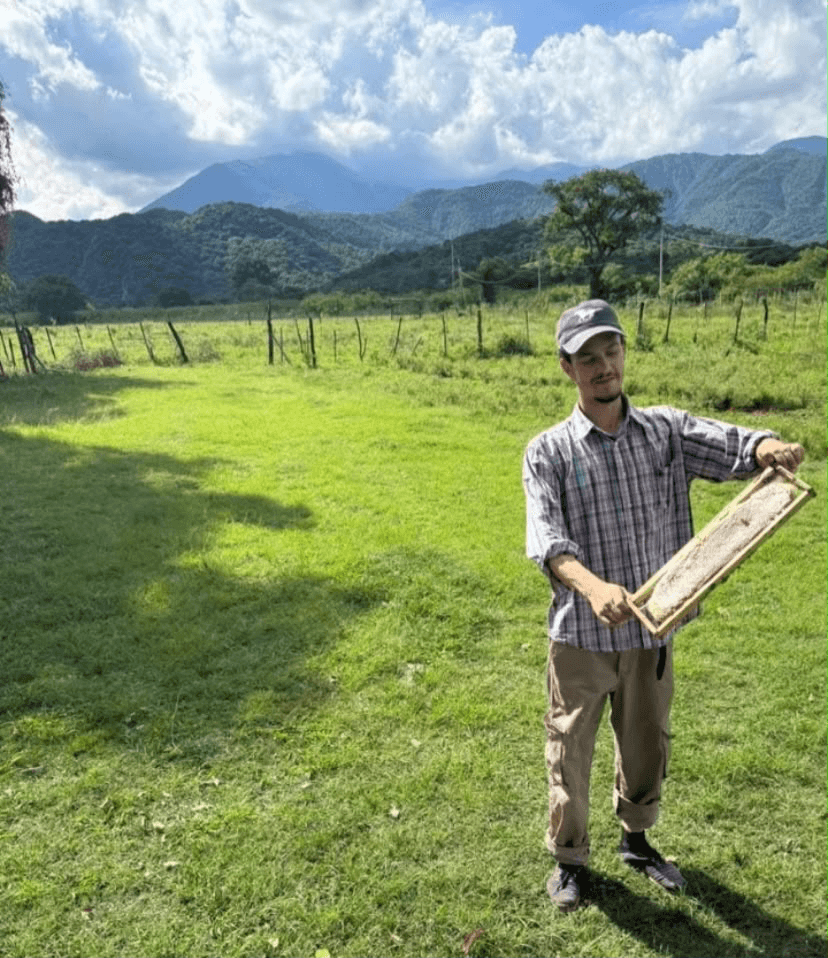
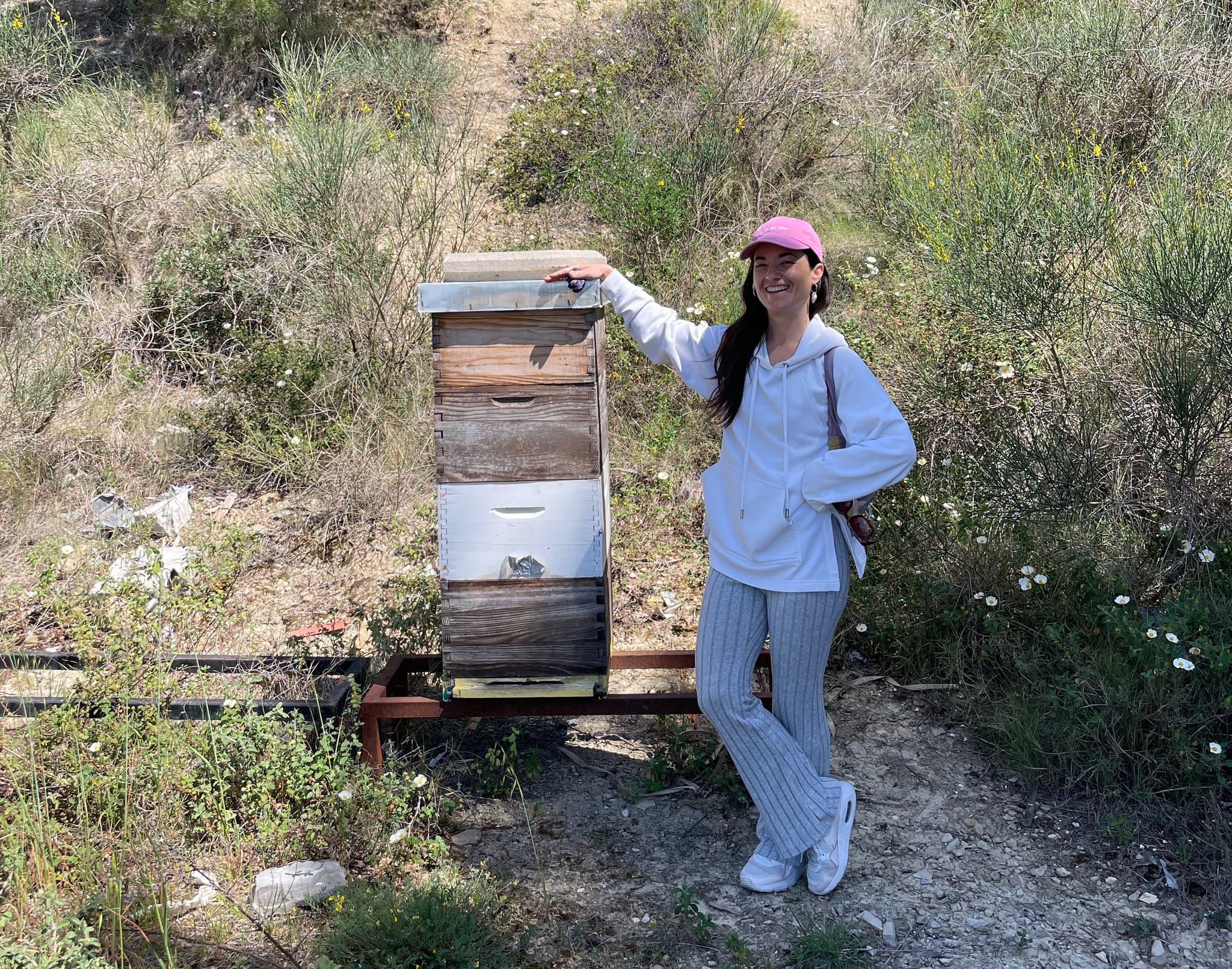
At the same time, Steiner was thriving as a curious, passionate beekeeper.
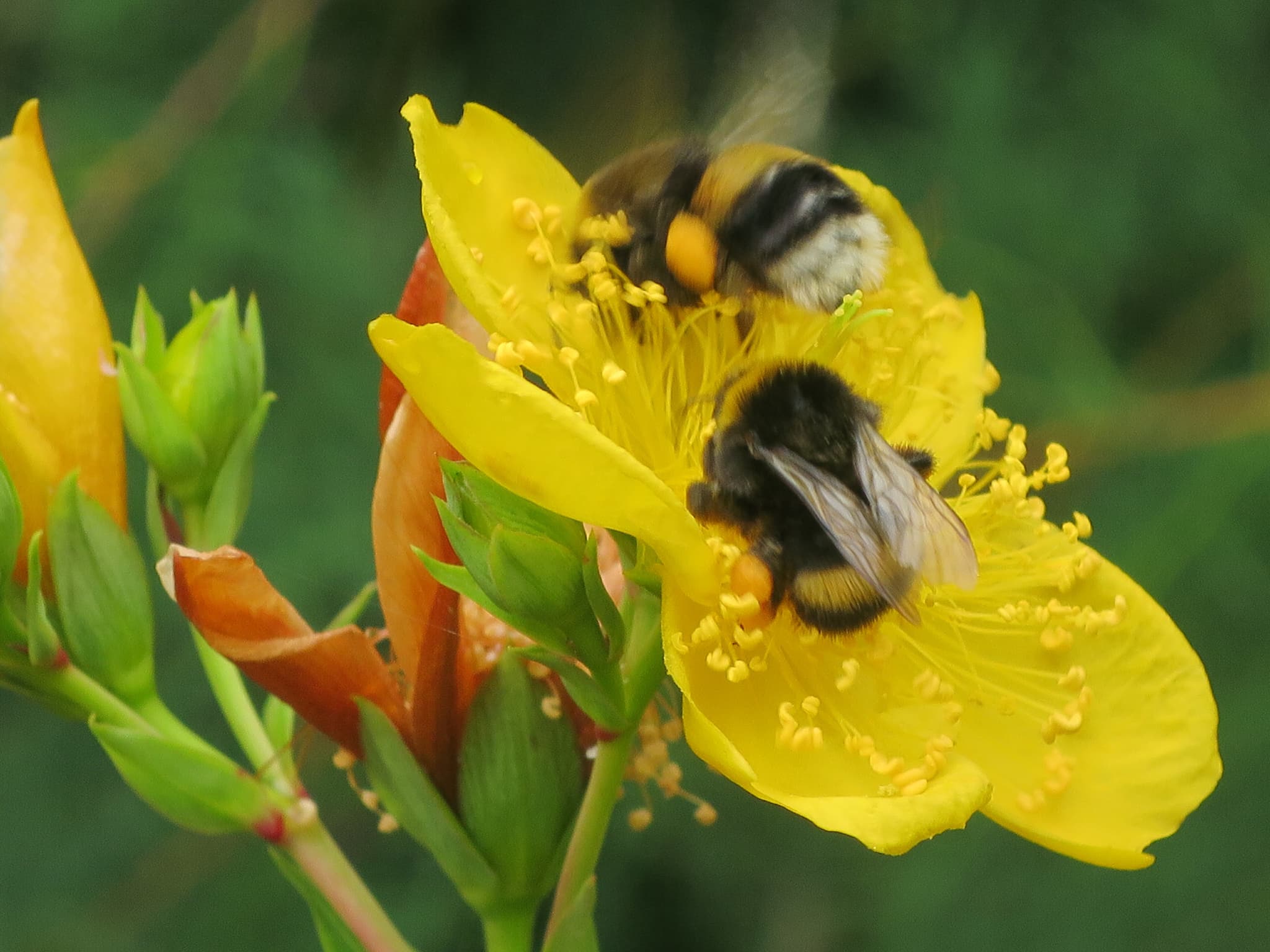
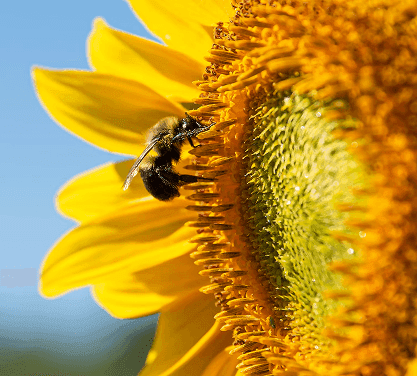
He noticed how a hive maintains warmth, how movement shifts with seasons, how thousands of small actions create stability without any central control. No single bee directs the others. Instead, coordination emerges through constant response to changing conditions.
That way of seeing feels unexpectedly close to how we think about energy and homes today.
How do systems stay balanced without constant intervention? What allows a system to remain liveable as conditions change?
We now speak about adaptive systems, responsive environments, and energy management that reacts in real time. We design technologies that sense change and adjust automatically.
But the underlying curiosity remains the same:
how do systems stay balanced when they are allowed to listen to themselves?
Bees offer a useful place to pause.
They show how intelligence can be shared. How comfort can be maintained without excess. How communication can happen through subtle signals.
A hive works because it remains attentive to what is happening inside it. And every detail counts.
If bees can do it, guided by nature, then…
What would a self-regulating human home energy system look like?

This series of articles about Steiner grows out of that shared curiosity. From a desire to explore ideas that sit between nature, education, technology, and everyday life. To learn from ways of thinking that treated living systems with care long before the language existed to describe them.
Sometimes, looking forward begins by noticing what has been quietly working all along and choosing to pay attention together.